
REVIEW · SOUTH AFRICA
Soweto Food & Beer Bike Tour
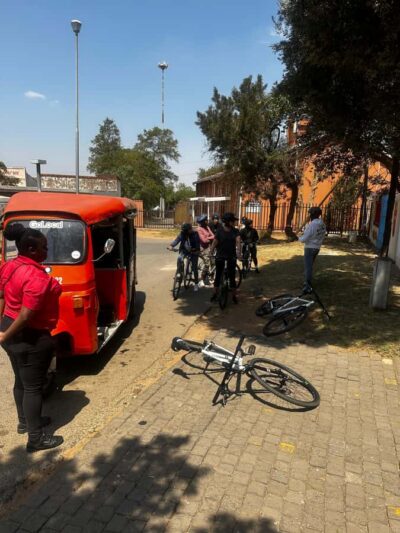
Soweto comes into focus on two wheels. You cycle from Vilakazi Street through Orlando East and West, stopping for amagwinya, a Kota and local beer while your guide explains the streets, families and turning points that shaped this part of Johannesburg. This feels less like looking at Soweto from a bus window and more like being invited into a neighborhood.
I like the mix of food and serious conversation. You can ask about apartheid, politics, education and daily life, then sit down over a cold beer and something filling from a local food spot. I also like the guides’ local connection. Lwazi, Wandi, Mpumi and other guides are from Soweto, and their personal stories give the tour a human scale.
The main consideration is the bike ride itself. The route is family-friendly and not described as strenuous, but it has some hills, and four hours of eating, cycling and talking can feel full. Hotel transfers are not included, so you need to reach Vilakazi Street on your own.
Key points at a glance

- Start opposite the Hector Pieterson Museum: Meet at Vilakazi Espresso, at 7346 Kumalo Street, with safe parking available.
- Eat like a local: The food includes amagwinya, local snacks and a Kota for lunch, with two meals built into the outing.
- Hear Soweto from Soweto guides: Guides including Lwazi, Wandi and Mpumi explain both the past and present in plain, personal terms.
- Cycle Orlando East and West: The bike gives you access to streets and neighborhood views that a larger vehicle cannot provide.
- Expect a social afternoon: Beer stops, taverns and casual conversation are central to the experience, not an afterthought.
- Budget $49 per person: Bike hire, helmet, water, welcome drink, food and beer make this a strong value for a four-hour tour.
Why cycling gives Soweto a different feel

Soweto is often presented through a handful of major landmarks. Those places matter, but they do not tell the whole story. On a bicycle, you connect the famous addresses with ordinary streets, local gathering places, markets and homes. That in-between space is where the tour earns its keep.
The ride begins near Vilakazi Street, one of Soweto’s best-known roads. From there, you move into Orlando West and Orlando East, with a local guide providing the context as you go. You are not simply collecting photo stops. You are learning how the districts fit together and how the past still affects life today.
The pace is relaxed. This is not a race or a sporty cycle outing. The route has some hills, so you should be comfortable riding for several hours, but the experience is designed for sightseeing, food and conversation rather than speed. Comfortable shoes and practical clothing make sense.
I especially like the way the bike changes the social rhythm. You can stop, listen, ask a question, then continue through the neighborhood. The result is more personal than a ride where you remain inside a vehicle and see Soweto only through glass.
More Beer Bike Tours in the world:
- Belfast: City Centre Beer Bike Tour
★ 4.3 · 292 reviews - Lisbon: 1-Hour Beer Bike Tour with Draft Beer & Sangria Ride
★ 4.2 · 260 reviews - Beer Bike Lisbon Experience
★ 4.5 · 241 reviews
Meeting at Vilakazi Street
The meeting point is Vilakazi Espresso, opposite the Hector Pieterson Museum at 7346 Kumalo Street. This is a useful starting place because you begin near an important Soweto landmark, rather than spending the first part of the tour on a long transfer from another part of Johannesburg.
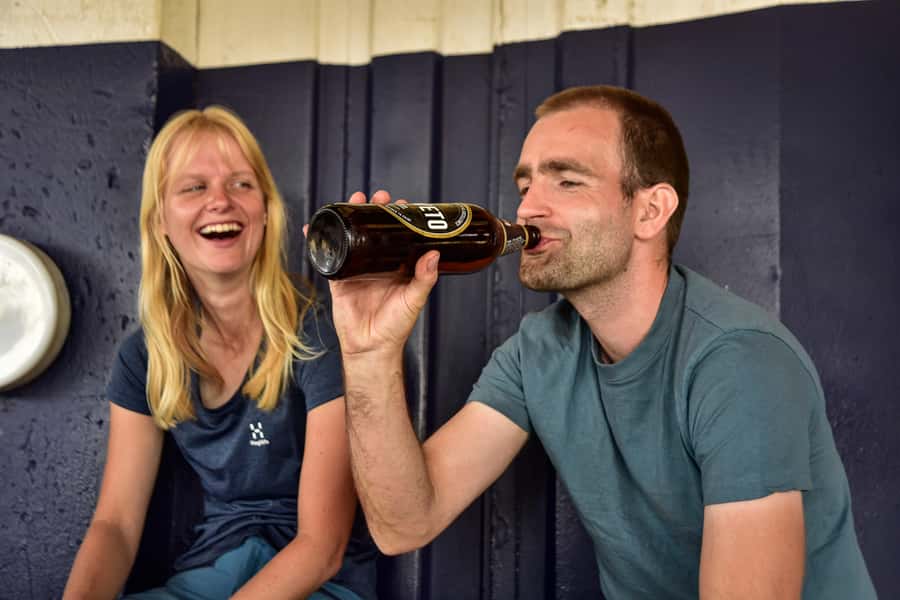
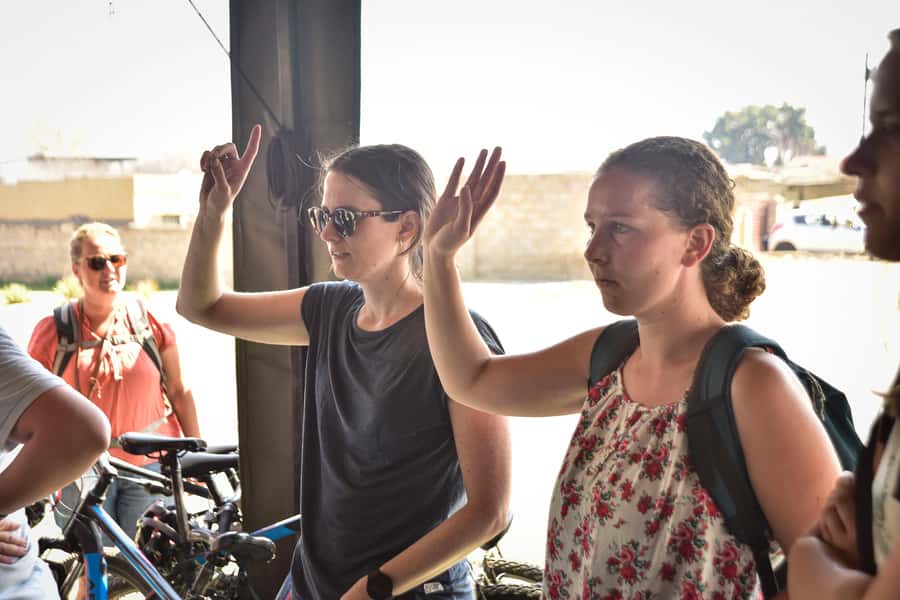
Your guide greets you, provides a cultural briefing and gets you set up with a bicycle and helmet. A welcome traditional beer starts the experience. Bottled water is included, which is welcome on a warm day, especially with cycling and beer on the schedule.
The briefing matters. Soweto has a complex past, and a few basic points of context help you understand what you are seeing. The guide also sets the tone for the tour, which is informal, open and built around questions.
Safe parking is available at the starting point. Hotel pickup and drop-off are not included, so plan that part of your day carefully. If you are fitting this into a Johannesburg visit or a long layover at OR Tambo, allow enough time for your own transport to and from the meeting point.
Vilakazi Street, food and the first stories
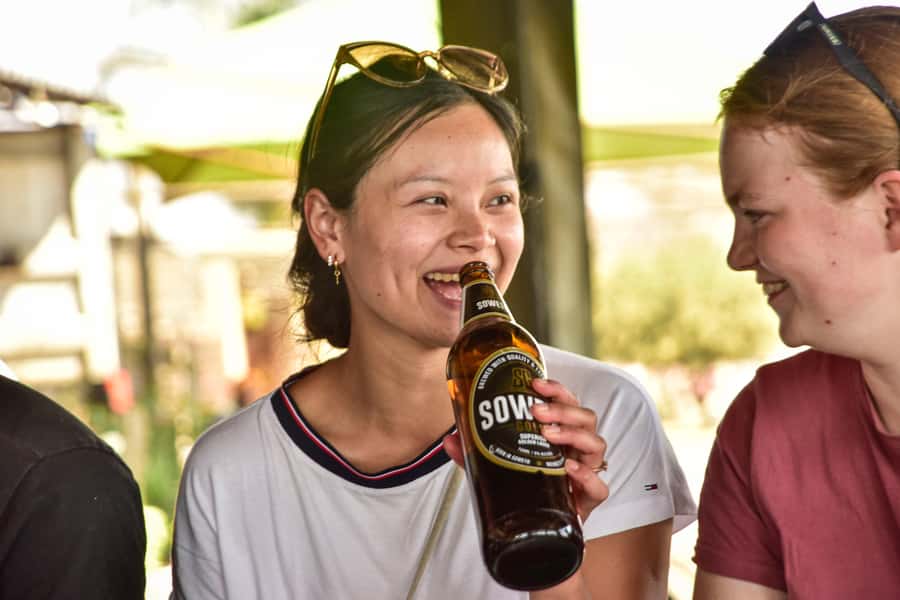
The first main section takes place around Vilakazi Street and lasts about an hour. You can expect sightseeing, an arts and crafts market visit, breakfast and the first beer stop.
Vilakazi Street is closely linked with major figures and events in South African history. The tour uses that setting as a starting point for wider discussion, rather than treating the street as a quick backdrop for photographs. The Hector Pieterson Museum is opposite the meeting point, and the area carries emotional weight.
Your guide may discuss apartheid, the 1976 student uprising and the people connected with Soweto’s political story. The focus is not only on dates. Guides such as Mpumi have been praised for making the museum area personal and moving, including through stories connected with Hector Pieterson and the famous photograph of his body being carried after he was shot.
That part can be heavy. You are likely to hear about violence, injustice and the cost paid by ordinary families. The tour then shifts to food and conversation, which is appropriate to Soweto’s character. Serious history and everyday life exist side by side here.
The arts and crafts market adds a lighter note. Bring small bills if you hope to buy souvenirs. It is also a good moment to ask your guide about local life, traditions and the meaning of what you are seeing instead of rushing through the stalls.
Orlando East and the township stories
The ride continues into Orlando East for roughly an hour and a half. This is the longest section, combining a beer stop, food tasting and a guided look at the area.
Here, the guide helps you see beyond the tourist addresses. The route can include local taverns, food spots and township streets. You might hear how residents came to live in the area, how neighborhoods developed and how people manage life in Soweto today.
This is where the quality of the guide matters most. Lwazi, Wandi and the other local guides are not just reciting information. They can respond to direct questions about apartheid, politics, the economy, education, culture and community life. That open conversation is one of the strongest reasons to choose this tour.
You should also approach the township section with respect. You are visiting a real residential area, not a stage set. Listen carefully, avoid treating people or homes as curiosities, and follow your guide’s lead about photographs. The experience can be eye-opening, but it should not be reduced to poverty sightseeing.
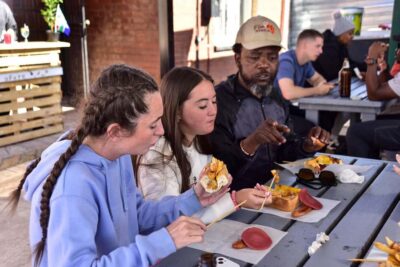
The food tasting gives the visit a natural social center. Instead of stopping only to look, you sit down to eat and talk. This makes it easier to connect the historical discussion with present-day life.
More Beer and Food Tours in the world:
- Porto Craft Beer Tour: 7 Beers + 3 Food Pairings in a Small Group
★ 5.0 · 1,725 reviews - Bavarian Beer and Food Evening Tour in Munich
★ 4.5 · 1,575 reviews - Beijing Hutong Walking Food and Beer Tour at Hidden Restaurants
★ 5.0 · 1,132 reviews - Munich: Beer and Food Tour with Dinner & Oktoberfest Museum
★ 4.7 · 1,086 reviews
Amagwinya, local snacks and the food experience
Food is not a decorative extra here. Two meals are included, along with local snacks, and the tour is best approached with a healthy appetite.
Amagwinya are fried dough snacks, often enjoyed as a simple breakfast or street food. The texture is hearty and filling, so do not make the mistake of eating a large breakfast before arriving. The tour also includes a Kota for lunch, a substantial township-style sandwich that can be packed with fillings.
The exact food selection can vary by stop, but the structure is clear: you taste food from local places rather than receiving a generic meal designed only for tourists. That gives the outing a stronger sense of place and helps support the small businesses along the route.
Food also helps break up the cycling. You ride, stop, eat, listen and chat, then continue. That rhythm suits people who want culture without spending four straight hours in a museum or on a formal historical walk.
Vegetarian, allergy and dietary details are not provided, so ask the operator before booking if this matters to you. The published experience centers on street food, amagwinya and a Kota, and you should not assume substitutions are available.
Beer stops and the social side of the ride
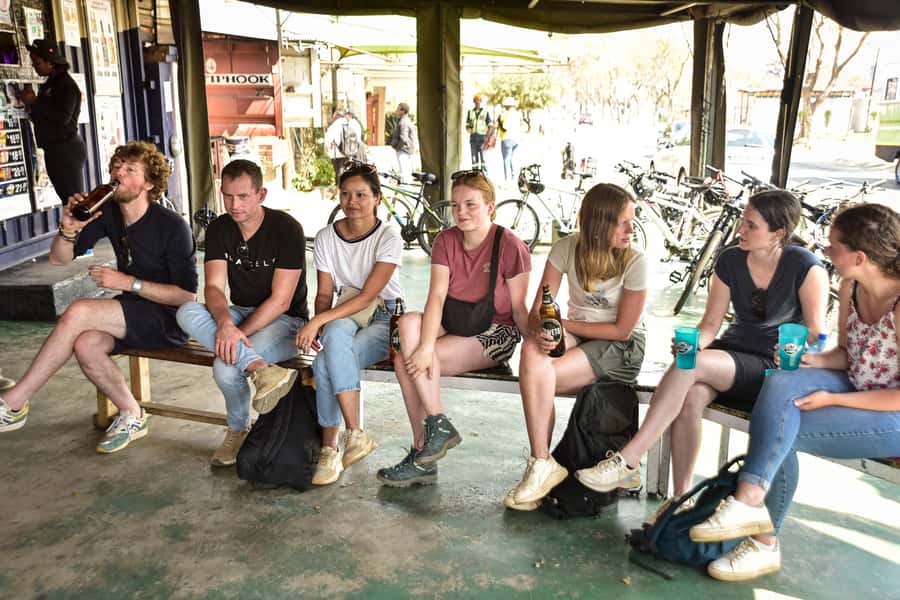
The tour includes a traditional welcome beer and two beer stops, with a selection of local beers along the way. The beer is part of the cultural setting, not simply a drink added to the title.
Local taverns offer a chance to see how people socialize in Soweto. Your guide can explain the role these places play while you enjoy a relaxed break. Some people will find this one of the most enjoyable parts of the afternoon. Others may prefer the historical sections and want to keep the beer tasting modest.
You can pace yourself. Cycling and alcohol are not an ideal combination if you drink too quickly, especially on a warm day or on the hillier parts of the route. Eat the included food, use the bottled water and treat the beer as tasting rather than a drinking contest.
The price includes the planned beer stops, which improves the value. You are not constantly reaching for cash each time the group sits down. Still, bring small bills for souvenirs and any personal extras.
A final loop back to Vilakazi Street
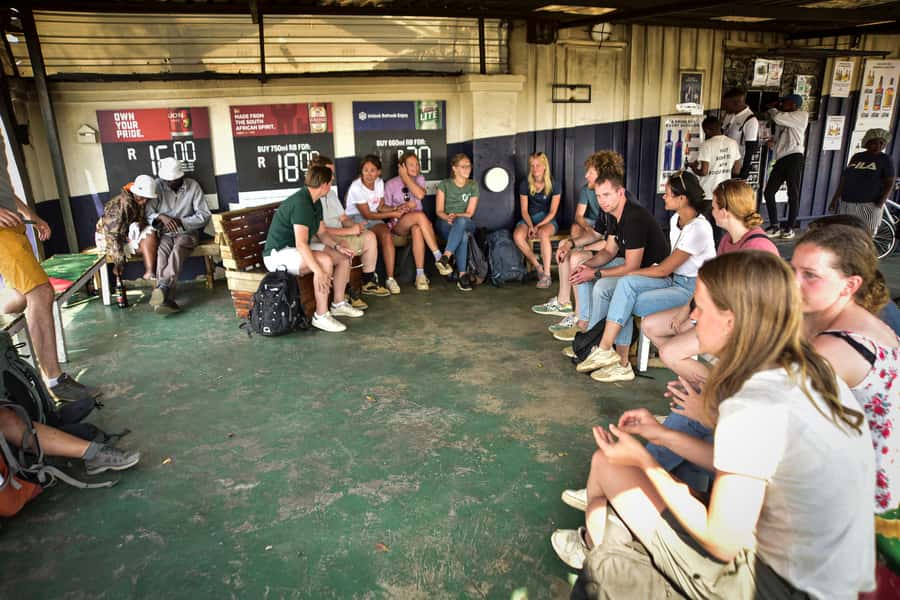
After the Orlando East sections, the route returns toward Vilakazi Street for lunch or the later street-food stop, followed by a short photo stop. The final part of the ride lasts about 15 minutes before you return to 7346 Kumalo Street.
This closing loop gives you a chance to connect the different parts of the tour. You have seen a major historical area, local streets, food spots and social venues. Ending where you began also makes the outing easy to understand as a half-day activity.
The stated timing adds up to about four hours, but it is worth keeping your schedule flexible. Conversation can run long, food stops are social, and the group may need time to manage bicycles and traffic. Do not book a tight appointment immediately afterward.
What the guides add
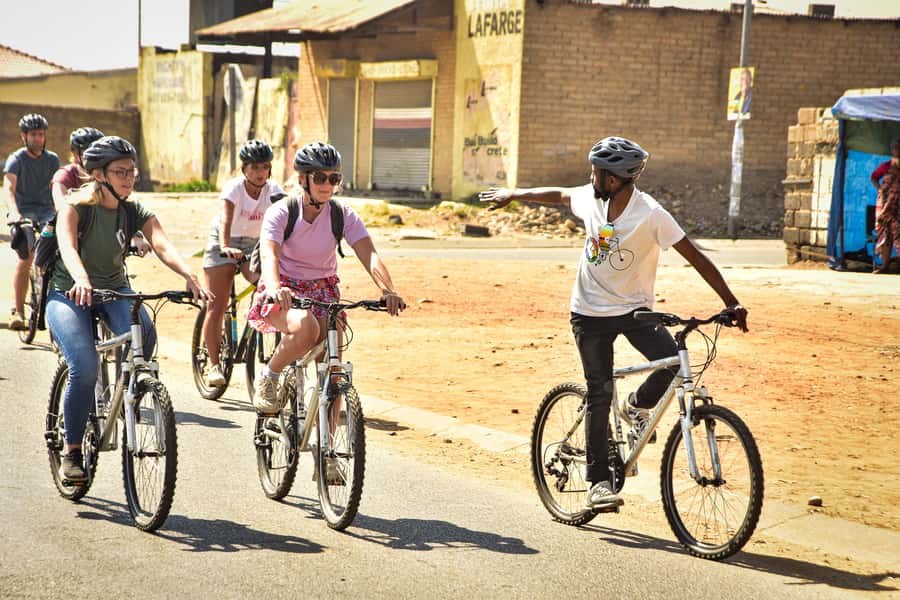
The guides are the heart of this experience. Names associated with the tour include Lwazi, Wandi, Mpumi and Razi, although the person leading your outing may differ.
The strongest guide style here is conversational. You can ask difficult questions about apartheid and Soweto without turning the discussion into a lecture. The guides explain the past, but they also talk about how people live now, which keeps the tour from becoming a museum lesson on wheels.
The local connection is important. A guide who grew up in Soweto can explain why one street matters, how districts differ and what outsiders often misunderstand. That does not mean every guide will tell the same stories or follow the exact same rhythm. It does mean you should expect a personal interpretation rather than a fixed script.
Some outings may include additional topic-led explanations at places such as the Hector Pieterson Museum or the Orlando East township area. Keep a little cash available if you want to tip someone who contributes to the experience, although tipping is not listed as part of the price.
Is $49 good value?
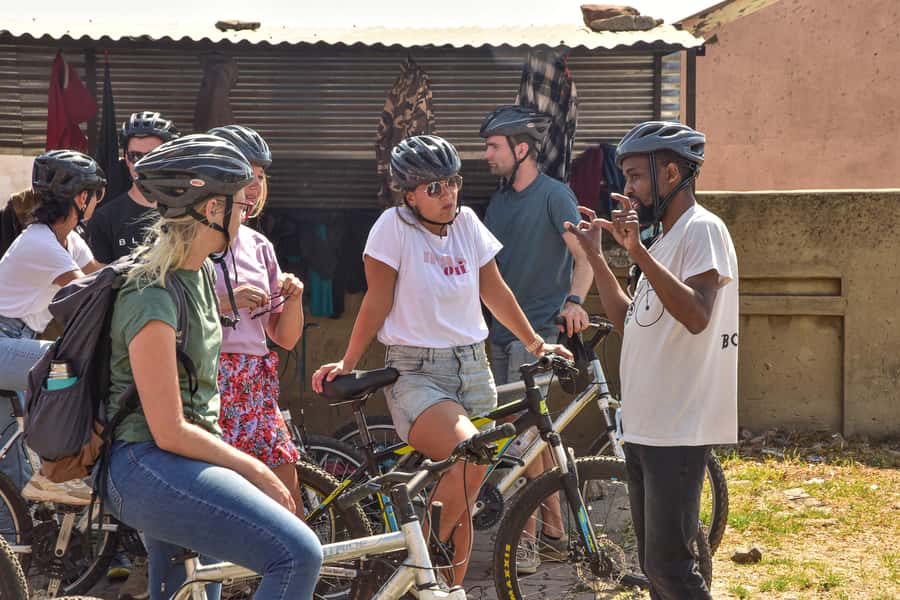
At $49 per person, this is good value for a four-hour cultural outing. The fee covers the bicycle, helmet, bottled water, welcome drink, two meals, two beer stops, a local guide and safe parking.
If you paid separately for a bike, meals and drinks, the costs would add up quickly. More important, you are paying for access and interpretation. The guide connects the stops, handles the route and gives you a way to ask questions that you would not get from simply visiting Vilakazi Street alone.
The price does not include hotel transfers, so add your own transport costs. You should also budget for souvenirs and a tip if you feel the guide has done a strong job.
Free cancellation is available up to 24 hours before the tour, and you can reserve now and pay later. Check the available start times before committing, since the tour lasts four hours and the exact schedule is not fixed here.
Who should book this tour?
I would choose this for someone who wants to understand Soweto through food, conversation and neighborhood streets, not only through major landmarks. It suits first-time visitors to Johannesburg, solo travelers, couples and families who are comfortable with a social group activity.
It is also a smart choice if you have a long layover and enough time to reach Soweto and return to the airport. One solo visitor found the combination of local lunch, cycling and direct conversation a good way to use a long break between flights.
The tour works well for people who ask questions. If you want a quiet sightseeing ride with little discussion, this may feel too talkative. If you dislike hills, cycling or beer-centered stops, choose a walking or vehicle-based Soweto experience instead.
Bring comfortable shoes, small bills and an open mind. You do not need to be a serious cyclist, but you should be willing to ride for several hours and manage a few hills.
Should you book it?
Book this tour if you want Soweto told by local people, with food and beer giving the history a human setting. The strongest parts are the guides, the Orlando East route and the chance to talk openly about both apartheid and present-day life.
Skip it if you need hotel transport, have strict dietary needs that have not been confirmed, or want a short landmark-only visit. For most visitors who can manage a relaxed four-hour bike ride, $49 buys a generous mix of food, drinks, local context and time in neighborhoods you would be unlikely to understand as well on your own.
FAQ
Where does the Soweto Food and Beer Bike Tour start?
It starts at Vilakazi Espresso, opposite the Hector Pieterson Museum, at 7346 Kumalo Street in Soweto.
How long does the tour last?
The tour lasts four hours.
What areas does the bike ride visit?
The route includes Vilakazi Street in Orlando West, Orlando East and parts of Orlando West and East connected by bicycle.
What food is included?
The experience includes two meals, amagwinya, local snacks and a Kota for lunch, along with food tastings at local stops.
How many beer stops are included?
Two beer stops are included, along with a traditional welcome drink and a selection of local beers.
Is bike hire included?
Yes. The price includes a bicycle, helmet and bottled water.
Is the ride difficult?
The route is described as easy and family-friendly, but it has some hills. Comfortable shoes are recommended.
Is hotel pickup included?
No. Hotel pickup and drop-off are not included. Safe parking is available at the meeting point.
What language is the tour conducted in?
The tour has a live English-speaking guide.
More Food Tours in the world
- Eating Prague Food & Beer Tour by Eating Europe
★ 5.0 · 839 reviews - Kyoto: Insider Sake Brewery Tour with Sake and Food Pairing
★ 5.0 · 704 reviews - Prague: Food and Beer Guided Walking Tour with Tastings
★ 4.9 · 341 reviews - Brussels: Walking Food Tour with Chocolate, Beer, & Waffles
★ 4.7 · 318 reviews
Just added around the world
- Zaanse Schans: Brewery HOOP Tour and Tasting★ 3.4 · 4 reviews
- Würzburg: Unique Brewery Tour with Beer Tasting★ 5.0 · 2 reviews
- Wildlife Center with Lunch & Local Beer Sampling★ 5.0 · 6 reviews
- Warstein: Warsteiner World Brewery Tour★ 4.6 · 3 reviews
- Zurich Beer Tour – tasting tour with a local beer expert★ 5.0 · 3 reviews
- Warsaw: Guided Craft Beer Tour with a Friendly Guide★ 5.0 · 4 reviews
- Warsaw Private Polish Beer Tasting Tour at Best Pubs & Bars★ 4.4 · 4 reviews
- Warsaw: Beer Bath Experience (Sauna, Bath & Degustation)★ 4.7 · 4 reviews
South Africa Beer Tours, compared.
Private Day Tour to Cape Point , Penguins, Wine or Beer Tasting
Read our review →
Wildlife Safari, Olive, Beer/Wine Tasting Day Tour from Cape Town
Read our review →
Hermanus Land based Whale Tour with Dave de Beer
Read our review →
From Cape Town: Wildlife Safari, Olive, Beer & Wine Tasting
Read our review →
Soweto Food and Beer Tasting Walking Tour with a Local
Read our review →Browse the lists this tour appears in