
REVIEW · BRUGES
Bruges: The Beer Experience Museum Entry with Audio Guide
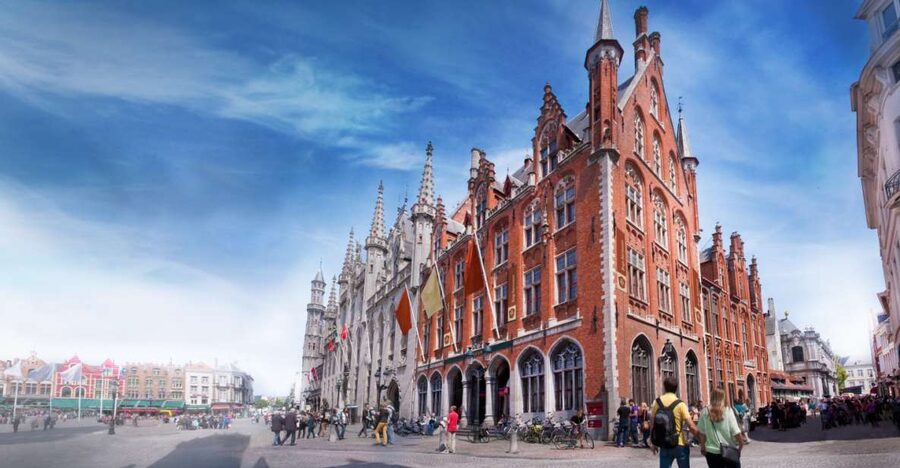
The best part of Bruges Beer Experience is that it treats beer as more than a drink. You use your senses to explore ingredients, brewing methods, food pairings, and Belgian beer culture, all inside a museum overlooking the city’s market square. I especially like the interactive displays and the choice of a self-paced iPad Mini audio guide in languages including Italian, Japanese, and Chinese.
I also like the optional tasting, since it lets you connect the exhibition’s lessons with several beers in your glass. The main drawback is that the tasting costs an extra €6, food choices at the bar are limited, and the museum is not suitable for wheelchair users or people with mobility impairments.
Key points
- Taste the brewing difference: Learn about high, bottom, mixed, and spontaneous fermentation.
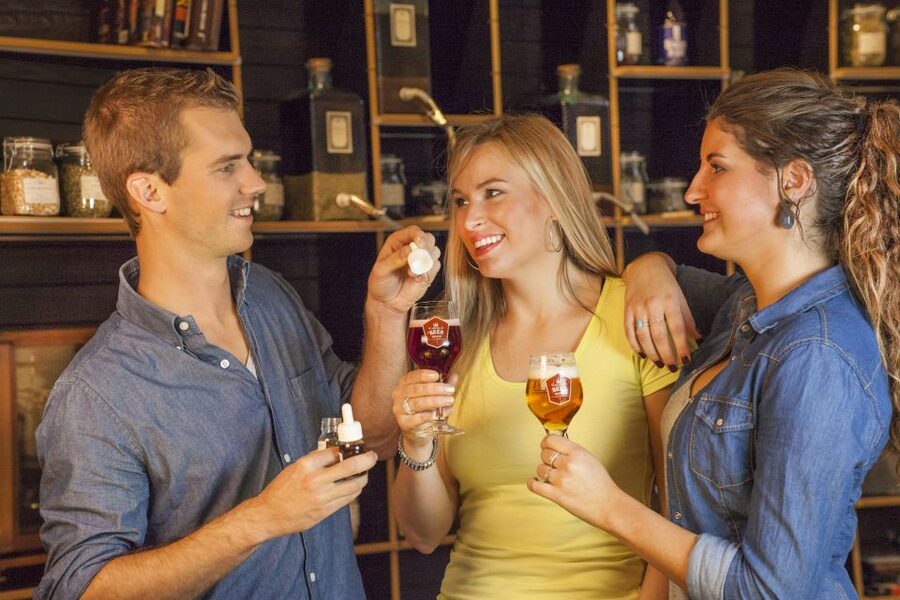
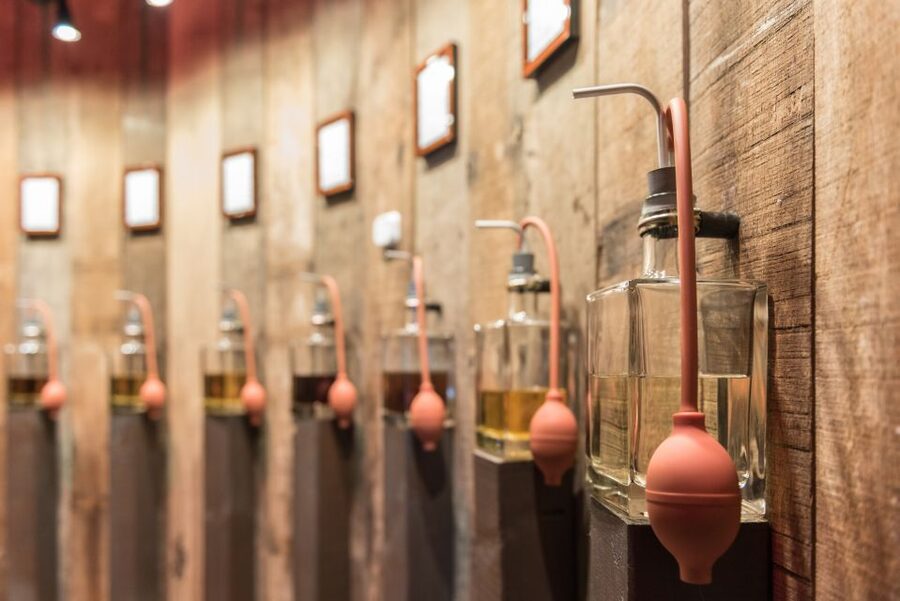
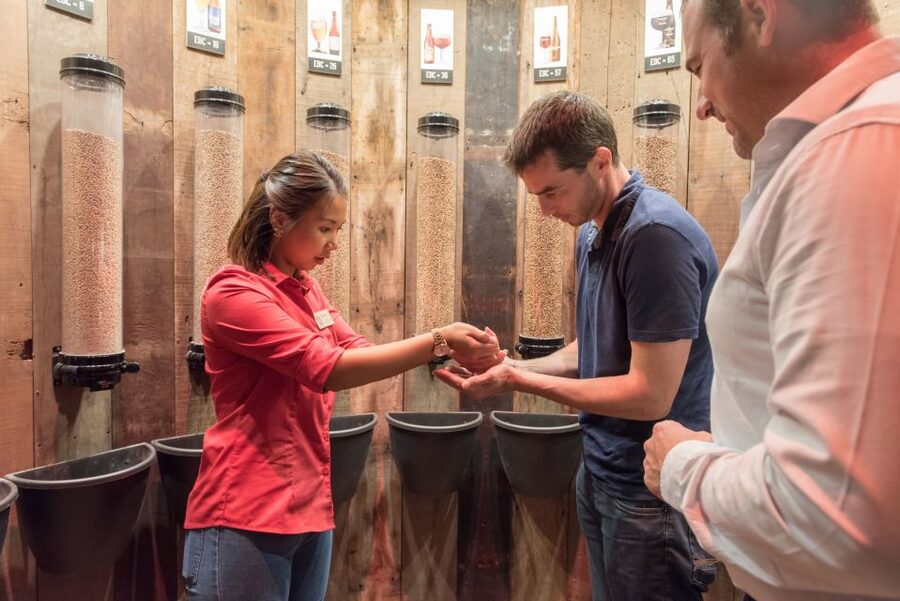
- Use every sense: The exhibition includes touch, taste, and smell stations, not just written panels.
- Look over the Markt: The museum’s views give you a fine sense of Bruges’ historic center.
- Choose your own pace: An iPad Mini audio guide covers beer styles, brewing, women and beer, and food pairing.
- Bring children into the story: Kids up to age 12 can follow a special tour about the Bruges bear.
- Add the €6 tasting: Try several beers after the museum, with cheese, sausages, crackers, paté, and chocolates available for purchase.
What You Learn Inside Bruges Beer Experience
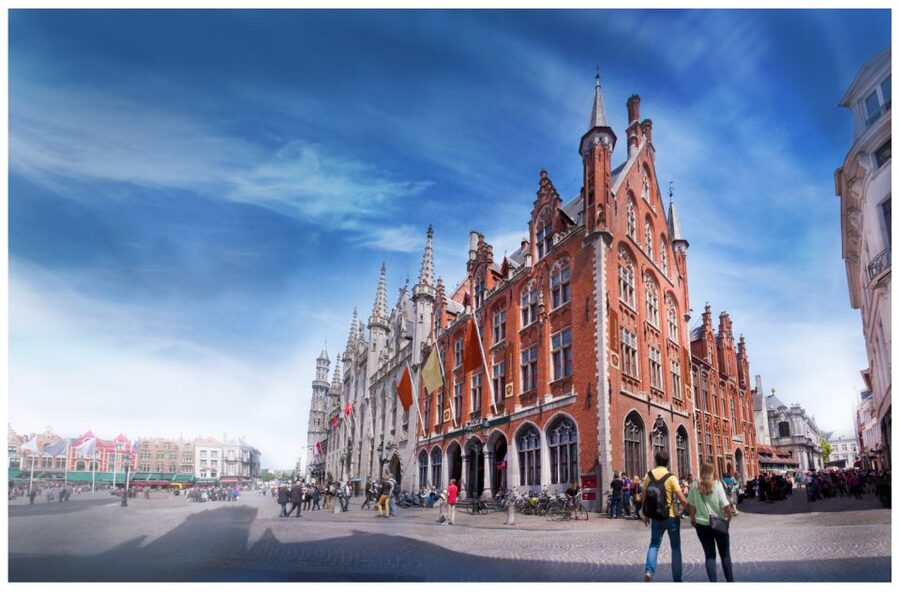
Bruges Beer Experience is set in the Old Town, with the museum entrance on the second floor and the tasting area on the first. That layout matters: you see the exhibition first, then head downstairs if you choose to sample beer afterward.
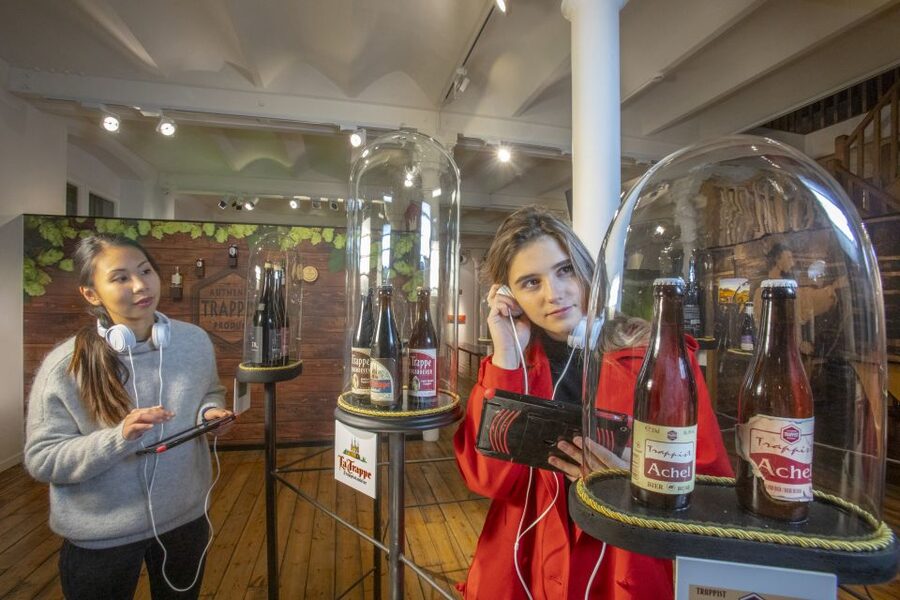
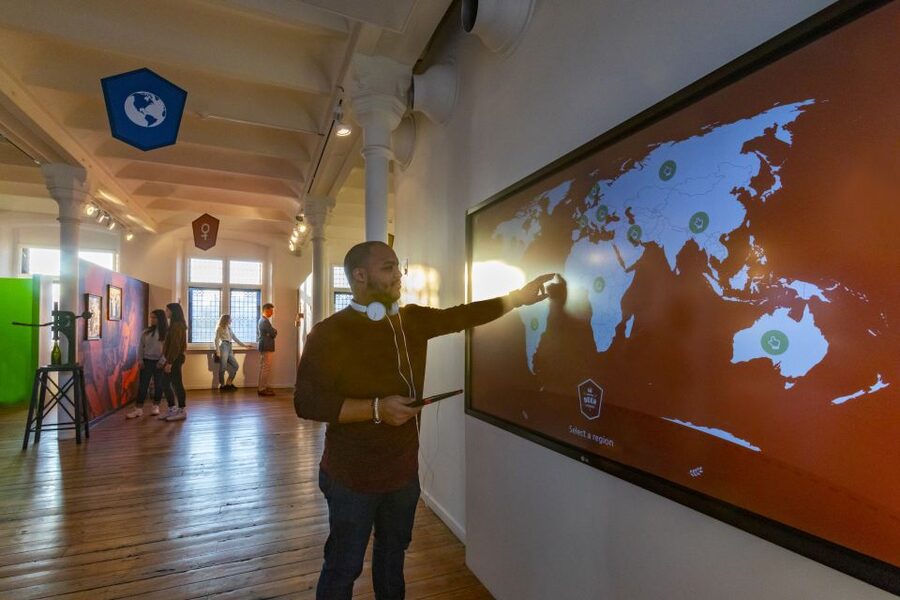
The visit is designed as an interactive exhibition rather than a formal guided tour. You receive an iPad Mini with an audio guide, so you can move at your own speed and spend more time on the subjects that interest you. This works well if one person in your group wants to study brewing details while another prefers the cultural side of Belgian beer.
The audio guide is available in English, Dutch, French, Chinese, German, Italian, Japanese, Portuguese, Spanish, and Russian. The range is unusually useful in a country where language options can sometimes be narrow. If you prefer Italian, for example, the audio guide gives you a clear way to follow the visit without relying on English.
The museum covers several parts of Belgian beer culture:
- The brewing process
- Trappist and abbey beers
- High, bottom, mixed, and spontaneous fermentation
- The place of women in beer history
- Food and beer pairing
- Other traditions linked to Belgian brewing
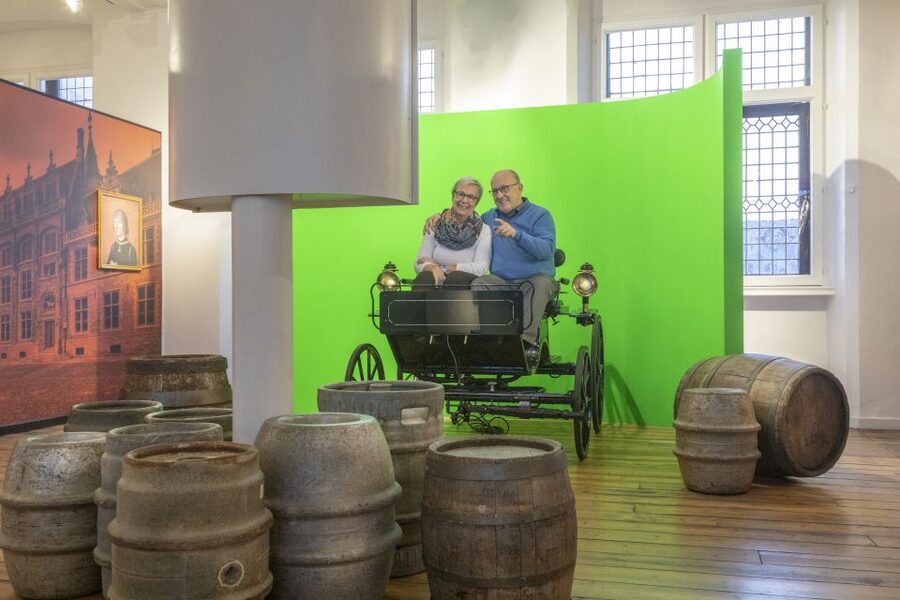
You should not expect a long, traditional museum filled with glass cases and dense text. The point here is participation. You touch, smell, and taste your way through the subject, which makes the science easier to grasp. Beer can seem like a simple product until you learn how much the yeast, method, and ingredients affect the final drink.
More Museum Visits in Bruges:
- NYC: Empire State Building Tickets – Observatory & Museum
★ 4.7 · 25,757 reviews - Munich: Beer and Food Tour with Dinner & Oktoberfest Museum
★ 4.7 · 1,086 reviews - Guided Visit to the Estrella Galicia Museum with Beer Tasting
★ 5.0 · 382 reviews
Comparing Four Types of Fermentation
One of the most useful sections explains the difference between high, bottom, mixed, and spontaneous fermentation. You do not need a background in brewing to follow it, and this part gives you a better vocabulary for choosing Belgian beer later.
High fermentation is associated with ales, while bottom fermentation is linked to lagers. Mixed fermentation combines different fermentation methods, and spontaneous fermentation relies on naturally occurring yeasts rather than a deliberately added strain. The museum lets you compare these approaches instead of treating Belgian beer as one single style.
That distinction is valuable because Belgian beer menus can be confusing. Names such as Trappist, abbey, lambic, and other style terms refer to different traditions, methods, or brewing identities. After this visit, you will have a clearer idea of why two beers can taste and behave so differently.
I like that the exhibition connects technical information with the senses. Instead of merely telling you that fermentation changes flavor, it gives you a way to consider the difference. The displays turn a lesson that might feel dry into something you can relate to through aroma and taste.
Trappist, Abbey, and Belgian Brewing Traditions
The sections on Trappist and abbey beers are a natural fit for a museum in Belgium. These names carry plenty of weight, but they are easy to confuse if you have only seen them on a menu or bottle label.
The museum gives you a framework for understanding these traditions and how they fit into Belgian beer culture. That makes this stop useful before visiting a beer bar, ordering a tasting flight, or buying bottles to take home.
You should still think of the museum as an introduction rather than a full course in brewing. The iPad format gives you a lot of topics to explore, but your time and attention determine how much detail you absorb. If you want to read every section and listen to every explanation, allow plenty of time within the day’s validity.
This flexible setup is one of the activity’s strengths. You are not tied to a guide’s pace or to a single group schedule. You can pause, replay information, and focus on the parts that match your interests.
Women, Food Pairing, and the Human Side of Beer
Beer exhibitions often focus on ingredients, machinery, and famous breweries. This one also includes the history of women and beer, which adds a useful social angle to the visit.
That subject helps correct the idea that beer has always been a male-only world. It gives the museum a broader scope and reminds you that brewing, selling, serving, and drinking have all involved more people than the usual old brewery story suggests.
The food-pairing section is especially practical. Belgian beer is often served alongside cheese, cured meats, chocolates, and other hearty foods, and the museum helps explain why certain combinations work.
You can continue that idea downstairs in the tasting area. Snacks include cheese, sausages, crackers, paté, and chocolates. The selection is not presented as a full meal, so you should plan accordingly if you need lunch or dinner. One useful tip is to eat something substantial before or alongside the tasting, since the available bar food may not satisfy a large appetite.
More Self-Guided Beer Trails in Bruges:
- Prague: Staropramem Brewery Self-Guided Tour with Tasting
★ 3.7 · 2,106 reviews - Self-Guided Craft Beer Tour (Explore Old Market)
★ 4.5 · 19 reviews - Great Taste Beer Tour by Bicycle (Self-guided)
★ 5.0 · 18 reviews - Anti Tour Prague – Self Guided Beer and Food Tour
★ 4.5 · 14 reviews
The Optional Beer Tasting Costs €6 Extra
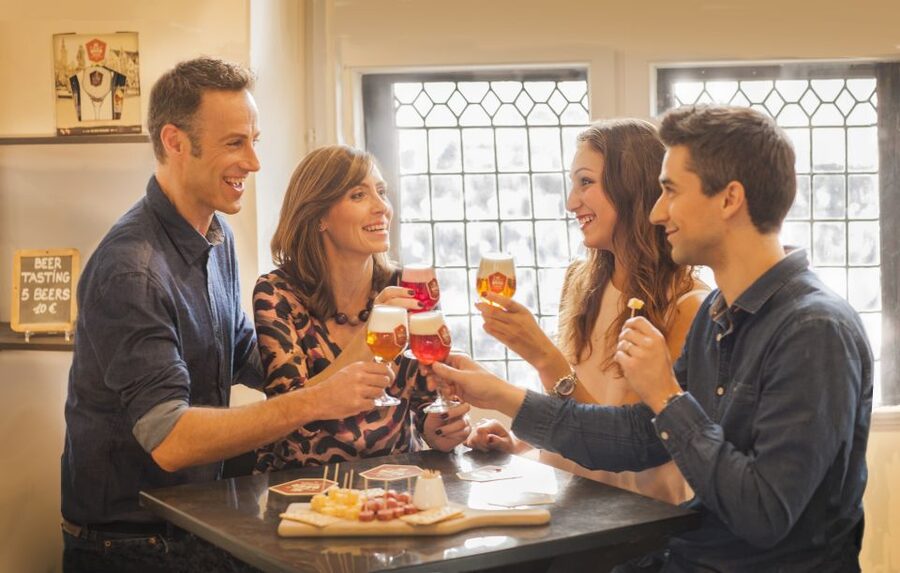
The museum entry does not include beer. After the exhibition, you can add a tasting for €6 and try several beers in the onsite tasting area on the first floor.
This add-on makes sense if you want to put the exhibition’s ideas into practice. After learning about fermentation and Belgian beer styles, you can pay attention to the aroma, texture, sweetness, bitterness, and other differences in the glass. It turns an educational visit into a more complete beer experience.
The tasting is optional, which is good planning. You can visit the museum without drinking, or save the extra cost if you already have a favorite beer bar planned elsewhere in Bruges. At $16 per person for entry, the base price is reasonable for an attraction with an audio guide and interactive displays. The €6 tasting is a separate decision rather than a hidden part of the ticket.
Food is also separate. The bar offers snacks such as cheese, sausages, crackers, paté, and chocolates, but do not treat this as a guaranteed full dining stop. If you prefer to drink only with a proper meal, plan another restaurant for afterward.
Views Across Bruges’ Market Square
The museum’s position gives you views over Bruges’ historic market square. This is more than a pleasant backdrop. The view helps you connect the beer culture inside with the old city outside.
From above the square, you get a different angle on the center of Bruges than you do at street level. It makes the museum a handy stop during a day of sightseeing, especially if you want a break from walking without leaving the heart of the city.
The setting also gives the visit a strong sense of place. You are not studying Belgian beer in an isolated exhibit hall. You are looking over one of Bruges’ most recognizable public spaces while learning about a drink closely tied to Belgian culture.
Do not choose the museum only for the view, though. The displays and audio material are the main reason to go. The view is a bonus that makes the experience feel more connected to Bruges.
A Good Option for Families With Children
Children up to age 12 can use a special Kids Tour based on the story of the Bruges bear. That gives younger visitors their own route through the museum instead of asking them to follow an adult explanation of brewing.
The bear story adds a playful thread, and the touch, smell, and taste elements give children something active to do. Parents should still remember that the museum is built around beer, so the adult sections may not hold every child’s attention for the same length of time.
For a family, the audio guide setup can be helpful. Adults can follow the main content while children use their own tour. It also avoids the problem of forcing everyone to move together at exactly the same pace.
The activity is not suitable for people with mobility impairments or wheelchair users. The entrance is on the second floor, and the tasting area is on the first floor. If stairs or movement between levels are difficult for you, this is an important reason to choose another Bruges attraction.
How Long to Allow and How the Day Works
The ticket is valid for one day, and you should check availability for the starting times offered when you book. The flexible format means you can fit the museum into a wider day in Bruges rather than building your whole schedule around a long group tour.
Begin at the entrance on the second floor. Pick up the iPad Mini audio guide, then work through the exhibition in the order that suits you. Spend extra time with fermentation if you enjoy the technical side, or focus on beer traditions, women and beer, and food pairing if you want a wider cultural picture.
After the museum, go downstairs to the first-floor tasting area if you have paid for the add-on. You can also buy snacks there. Since the tasting is not part of the entry ticket, check that you have included it in your plans before you arrive.
The host or greeter can communicate in English, French, German, Dutch, or Spanish. The audio guide offers even more language choices. Bring a passport or ID card, and do not bring outside food or drinks into the attraction.
Is the $16 Entry Good Value?
At $16 per person, the ticket is a fair buy for visitors who want more than a quick beer sample. You get entry to an interactive exhibition, a multilingual audio guide on an iPad Mini, family content for children, and views across the Markt.
The value depends on your interest. If you already know Belgian beer well and only want to drink, you may get more from a traditional beer bar. If you want to understand why Belgian beers differ, the museum gives you useful context before your next tasting.
The audio guide also improves the value for international visitors. Italian, Japanese, Portuguese, Russian, and Chinese are among the available options, which makes the content accessible to a wider range of visitors.
Adding the €6 tasting brings the total cost higher, but it is still a modest extra for several beers. I would add it if you are curious about comparing styles and do not already have a planned tasting elsewhere. I would skip it if you are driving, avoiding alcohol, or saving your budget for Bruges’ many restaurants and cafés.
Who Should Book This Experience?
I would recommend Bruges Beer Experience to adults who want a clear introduction to Belgian beer, families who can use the bear-themed Kids Tour, and visitors who prefer a self-guided museum to a fixed group tour.
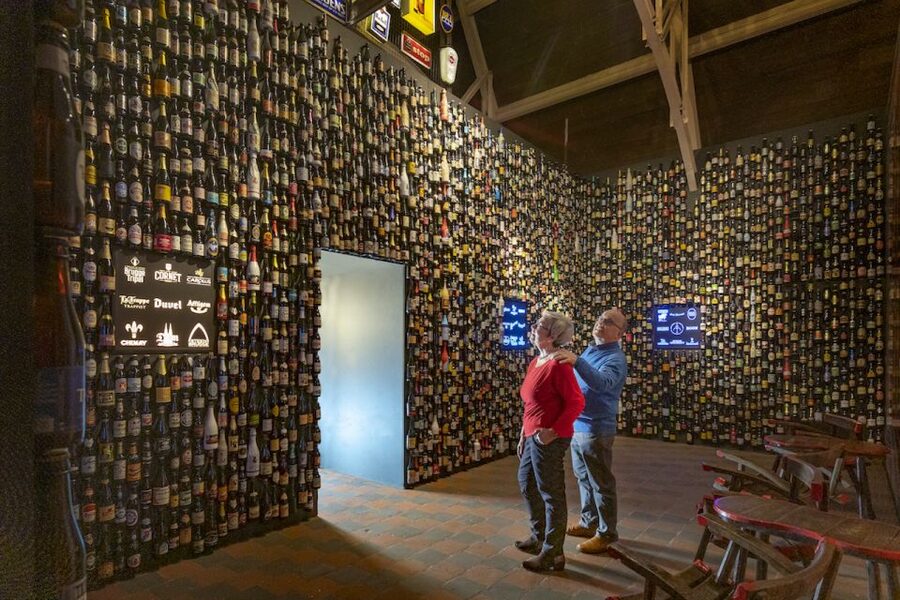
It is also a good rainy-day choice. You get an indoor activity in the center of Bruges, and the museum gives you something more thoughtful than a simple tasting. The combination of scent, touch, audio, and optional sampling keeps the visit from feeling like a row of information panels.
You may want to skip it if you have limited mobility, do not care about beer, or are looking only for a full meal with drinks. The snack menu is useful but modest, and the tasting costs extra.
The strongest points are the well-chosen language options, the practical explanation of fermentation, and the freedom to move at your own pace. The high rating of 4.4 from 201 reviews reflects a generally positive experience, and the most praised details include the Italian audio guide and the clear, interesting presentation of the exhibition.
FAQ
Is the beer tasting included in the museum ticket?
No. Beer tasting is available as an add-on for €6 after the museum visit.
Where is the museum entrance?
The museum entrance is on the second floor. The tasting area is on the first floor.
Which languages are available for the audio guide?
The iPad Mini audio guide is available in English, Dutch, French, Chinese, German, Italian, Japanese, Portuguese, Spanish, and Russian.
Is there a tour for children?
Yes. Children up to age 12 can use a Kids Tour built around the story of the Bruges bear.
Can I buy food at the museum?
Yes. The onsite restaurant and tasting area offer snacks including cheese, sausages, crackers, paté, and chocolates. Food is not included in the entry ticket.
Is the experience accessible for wheelchair users?
No. The activity is not suitable for wheelchair users or people with mobility impairments.
Just added around Bruges
- Bruges Beer Tour with chocolate pairing by a young local★ 5.0 · 13 reviews
- Evening Delights: Bruges Tour with Beer & Chocolate★ 4.0 · 4 reviews
- Private: Discover Bruges beers & brewery with chocolate pairing by a young local★ 5.0 · 3 reviews
- Bruges: History, Chocolate and Beer Walking Tour★ 4.9 · 65 reviews
- Bruges: Belgian Beer Tour with Chocolate Pairing★ 4.4 · 32 reviews
- Bruges Beer and Chocolate Walking Tour★ 4.5 · 3 reviews
- Bruges Beer Tasting Experience (with cheese!)★ 4.8 · 41 reviews
- Bruges: 3-Hour Beer and Chocolate Tasting Private Tour★ 4.9 · 8 reviews
Bruges Beer Tours, compared.
Guided Tour & Boat Ride with Optional Beer Tasting
Read our review →
Belgian Waffle-Making Workshop with Beer Tasting
Read our review →
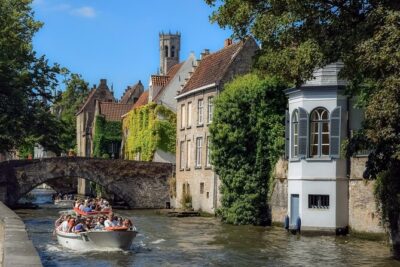
Walking tour of Bruges with boat option and/or beer tasting
Read our review →
Bourgogne des Flandres Brewery and Distillery Visit
Read our review →
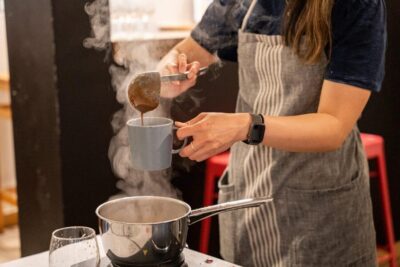
Belgian Chocolate Making Workshop with Beer Tasting
Read our review →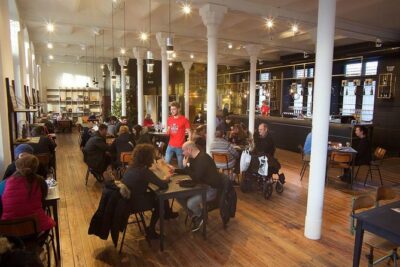
Browse the lists this tour appears in