
REVIEW · USA
Philadelphia: Ancient Alcohol Tour & Beer Tasting
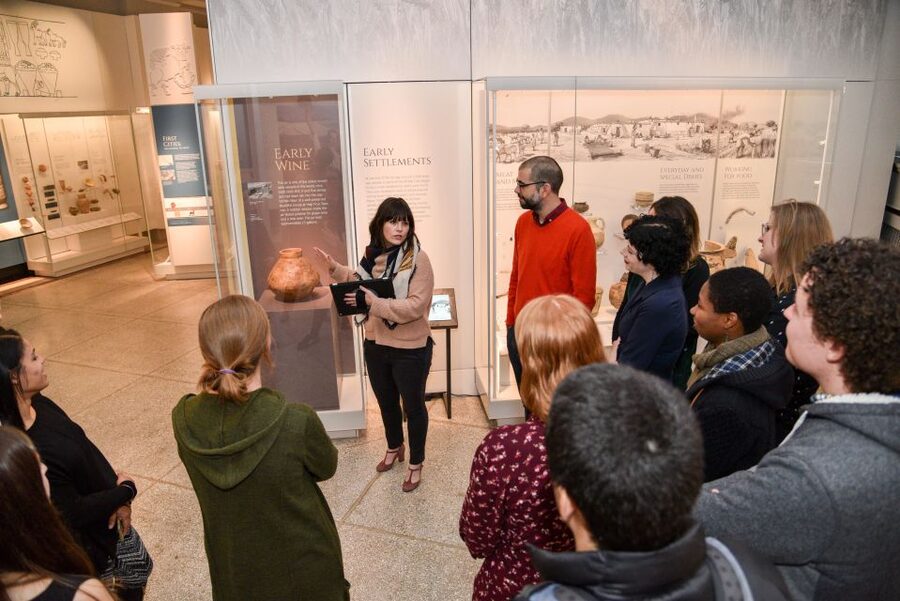
The most surprising part of this Philadelphia tour is how much ancient drinking culture survives in objects. At the Penn Museum, you’ll examine vessels tied to Greek drinking games, one of the world’s oldest wine jars, a queen’s golden beer straw, and Egyptian records showing alcohol rations for the afterlife. I especially like the 5000 BCE time span and the way the tour connects museum objects with modern scientific testing. You don’t just look at a jar. You learn how chemical traces from ancient vessels can reveal what people once fermented and drank.
I also like the focus on ordinary pleasure, not only kings, battles, and temples. The story of a banquet linked to King Midas gives the tour a memorable hook, while the Egyptian hieroglyphs show that drink had a practical place in ritual and daily life. The main drawback is the short 90-minute length. You’ll get a focused introduction rather than a full Penn Museum visit, and the tour is conducted in English.
Key points at a glance
- Ancient drinking vessels: See objects connected with Greek drinking games and early wine culture.
- King Midas’s banquet: Learn about a fermented drink served at a famous ancient royal gathering.
- Egyptian beer records: Examine hieroglyphs that list alcohol rations for the afterlife.
- Biomolecular archaeology: Follow research based on chemical samples recovered from ancient vessels.
- Beer tasting included: Use the supplied voucher after the museum portion of the experience.
- Easy museum meeting point: Meet beside the Sphinx at the Penn Museum’s main entrance.
Why ancient alcohol makes a good museum tour
Alcohol can sound like a light subject, but it opens a useful window onto ancient life. People had to grow crops, collect water, develop fermentation methods, make storage vessels, and decide when drinking belonged in a meal, ceremony, contest, or burial ritual. This tour uses those questions to make archaeology feel close to everyday life.
You’ll be taken back roughly 7,000 years to 5000 BCE, then move through later evidence from ancient Greece and Egypt. The date matters because it shows that fermented drinks were not a late invention reserved for sophisticated societies. They appeared very early, and they became part of social customs, religion, trade, and political display.
I like this approach because the subject is easy to grasp. You do not need a background in archaeology to understand why a drinking cup, storage jar, or written ration has meaning. The guide can use each object to explain what was consumed, who received it, and how the drink fit into the culture around it.
The tone should suit curious adults, museum fans, and anyone who prefers a story with a clear human thread. Families with older children may also find it engaging, though the material is presented as an archaeology lesson rather than a party activity.
More Beer Tastings in the USA
- Hidden Brewery Caverns Tour in Cincinnati with Beer Tasting
★ 5.0 · 1,758 reviews - Haunted Underground Shanghai Tunnel Tour with Brewery Tastings
★ 4.5 · 405 reviews - Premier Distillery & Craft Brewery Bus Tour with 9+ Tastings
★ 4.5 · 156 reviews
Meeting the guide beside the Penn Museum Sphinx
The meeting point is the Penn Museum’s main entrance, beside the Sphinx. The museum is on South Street across from Franklin Field, and you enter through an iron gate into Warden Garden. From there, pass the koi pond and continue to the main doors, where the guide will be waiting near the Sphinx.
Allow enough time to find the entrance. The directions are straightforward, but a large museum entrance and a university setting can take a moment to sort out if you arrive at the last minute. The access route includes a ramp at South and 33rd Streets, and the activity is wheelchair accessible.
You’ll need comfortable shoes. That advice is practical rather than decorative, since the tour takes place inside a museum and includes time spent examining displays. Bring a passport or ID card as well, since identification is listed among the items to carry.
The tour is offered in English with a live guide. No individual guide name is provided, so you should not expect to book a particular presenter. If your group needs another language, this is not the right choice, since English is the stated tour language.
Ancient vessels and the first taste of the story
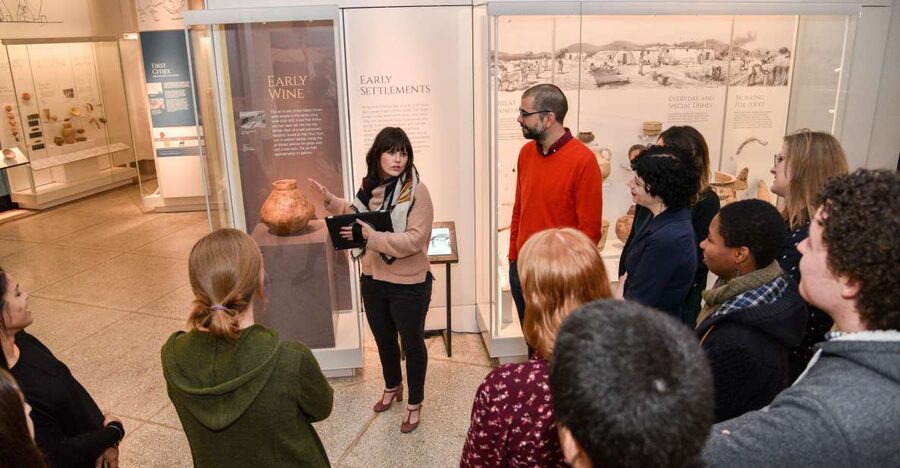
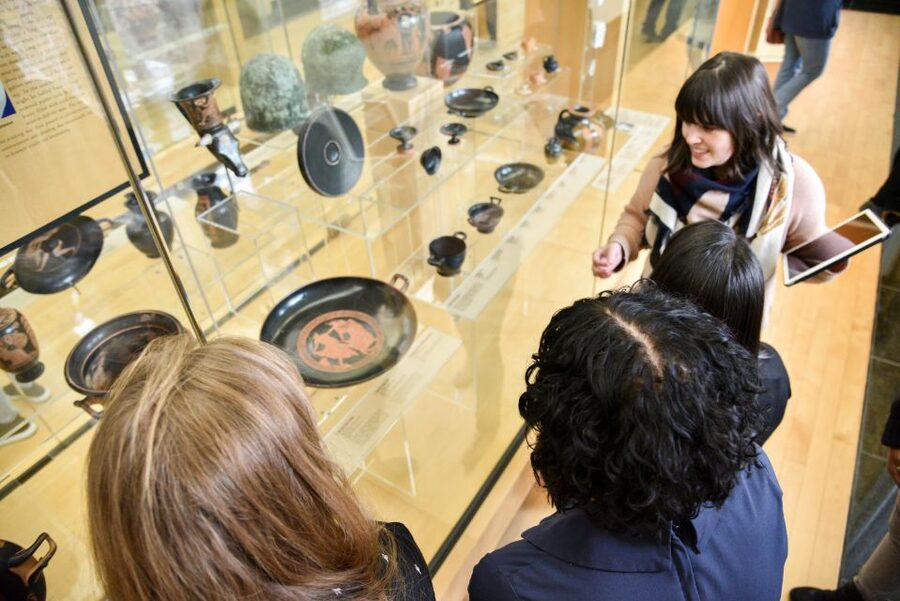
The opening portion focuses on drinking vessels and the clues they carry. Some early objects were made to hold or serve liquid, but their shape can also show how people drank. A vessel may reveal whether it was meant for storage, pouring, sharing, or a formal drinking game.
The Greek material is especially useful because it links pottery with social rules. You’ll learn about drinking games and the customs that surrounded them, rather than seeing Greek cups as decoration alone. This helps explain why a vessel’s form matters and how a shared drink could become a structured social event.
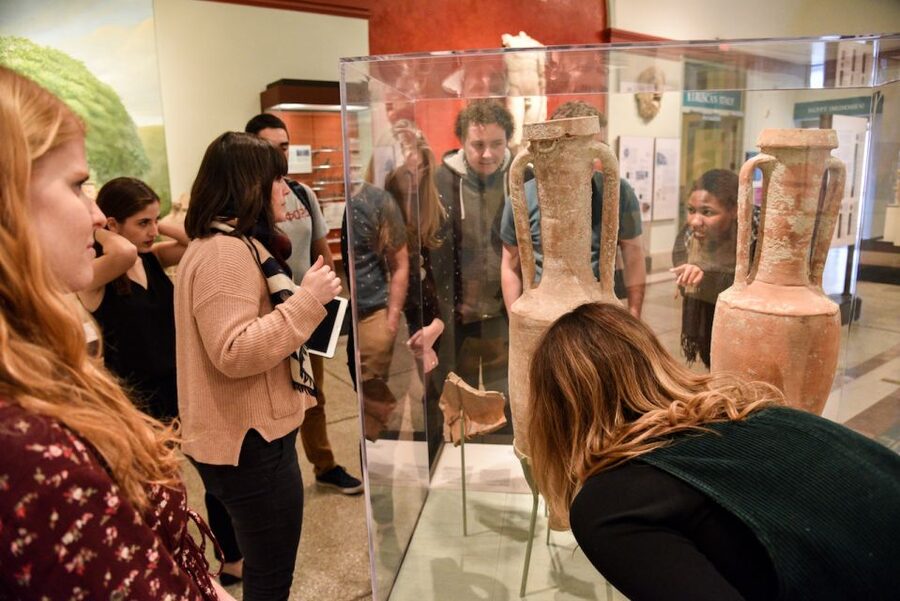
The tour also presents one of the oldest wine jars in the world. The jar gives the story a physical anchor. Instead of hearing only about the beginnings of wine, you’ll see an object made for the job. Its age also puts modern drinking habits in perspective. Wine culture has a very long record, and the basic need to store and serve a fermented drink is far older than many visitors expect.
The supplied details do not identify every object by date, location, or display case, so the precise route may vary. You should expect a focused selection of artifacts rather than a room-by-room tour of the entire museum. That is a benefit if you want a clear theme, but a limitation if you hope to see many unrelated galleries.
King Midas and the royal banquet
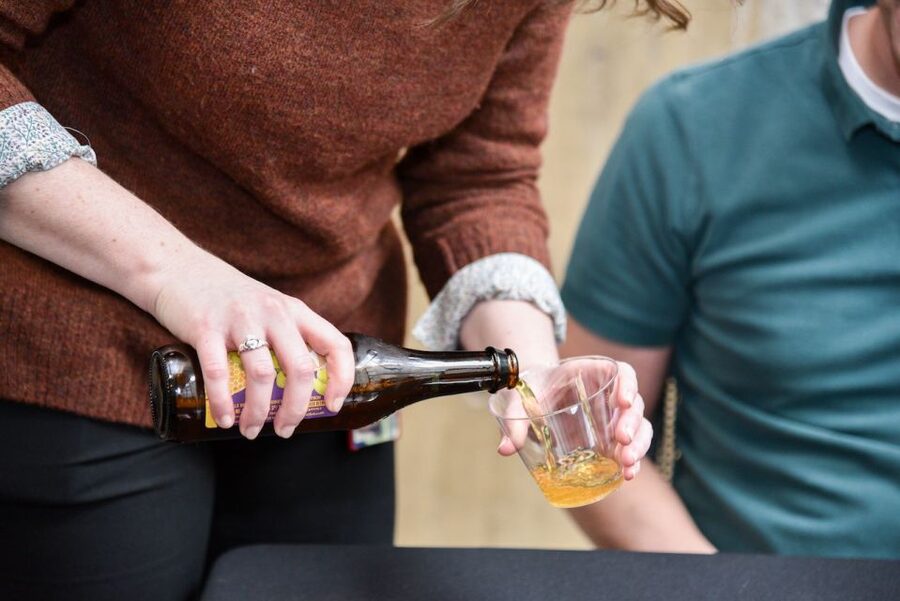
One of the tour’s most memorable stories concerns a libation served at a banquet associated with King Midas. The point is not simply that a famous ruler drank. A royal banquet could display wealth, hospitality, power, and access to special ingredients or preparation methods.
The word libation also adds a ritual angle. In the ancient world, pouring a drink could be part of a ceremony, not merely a way to empty a cup. The guide uses this setting to show how alcohol could move between pleasure and religion, dining and public display.
This section should appeal to you if you enjoy a strong character in a museum story. King Midas is easier to remember than an anonymous vessel, and the banquet gives the science and pottery a social setting. Still, the tour does not promise a full biography of Midas or a broad account of his kingdom. His role is one part of a larger story about ancient drinks.
Same city, a different glass:
- NYC: Empire State Building Tickets – Observatory & Museum
★ 4.7 · 25,757 reviews - All-Inclusive Pub Crawl with Moonshine, Cocktails, and Craft Beer
★ 4.5 · 975 reviews - Denver Craft Beer Tour in Lower Downtown
★ 5.0 · 673 reviews - Nashville Brewery & Distillery Tour by Golf Cart
★ 4.5 · 664 reviews
A queen’s golden straw and Egyptian afterlife rations
The Egyptian material adds a different kind of evidence. You’ll see or discuss a queen’s golden beer straw, an object that brings royal privilege and drinking practice together. Gold tells you something about status, but the straw also raises practical questions about how beer was served and consumed.
The tour then turns to Egyptian hieroglyphs recording alcohol rations for the hereafter. These inscriptions show that drink could be treated as a provision for life after death. That idea gives the subject more depth than a simple account of ancient partying. Beer was not only something people consumed at a gathering. It could also be tied to work, status, ritual, and expectations about the next world.
I find this contrast useful. The Greek vessels point toward games and social behavior. The Egyptian evidence points toward administration and ritual. Together, they show that ancient alcohol had many jobs, much like it does today. It could mark celebration, reward labor, support ceremony, or signal rank.
The objects also help you compare evidence types. A drinking vessel gives clues through shape and wear. A golden straw points to social rank and custom. A hieroglyphic record gives written evidence about distribution. The tour’s strength is in putting these clues side by side.
How biomolecular archaeology brings old drinks back to life
The most unusual part of the experience is its look at biomolecular archaeology. A Penn Museum archaeologist gathered fermented beverage samples from ancient vessels and used chemical analysis to study them. Some of these old samples were then revived as time capsules of past food and drink traditions.
The important point for you is that archaeology here is not limited to looking at pottery. Scientists can study chemical traces left inside vessels and compare those traces with known ingredients or fermentation processes. A jar can therefore preserve information that is invisible to the eye.
This research gives the tour a modern edge without losing its museum setting. You’ll see how laboratory methods can add to what historians and archaeologists learn from inscriptions, vessel shapes, and burial contexts. It also explains why a plain-looking container may be far more informative than it first appears.
Do not book this expecting a laboratory demonstration or a chance to sample a 5000 BCE beverage. The information provided promises an explanation of the research and a separate beer-tasting voucher. The ancient samples are part of the scientific story, while the tasting is the modern follow-up.
What the beer tasting adds
The included beer-tasting voucher gives the tour a natural finish. After examining ancient evidence of brewing and drinking, you get a chance to continue the subject through a present-day tasting.
The voucher is included in the $60 price, but the available information does not specify the tasting venue, beer list, serving size, or exact timing. Keep that in mind when judging the value. The voucher is a welcome extra, but you should not assume it is a full meal, a large flight, or a recreation of the ancient drinks discussed inside the museum.
I like the way the tasting connects the museum visit with your own senses. Ancient alcohol can feel abstract when it is described only through dates and artifacts. A modern tasting gives you a practical reminder that brewing is still shaped by ingredients, fermentation, flavor, and local habits.
The tasting also makes this a better choice for adults who want an experience with a social finish. If you do not drink beer, the museum material may still justify the visit, but the voucher will have less value to you.
Is $60 a fair price for 90 minutes?

At $60 per person, the tour is not a bargain museum admission with a quick talk. You are paying for a themed guided visit, museum admission, and a beer-tasting voucher. The value depends on how much you care about expert interpretation and the ancient alcohol theme.
I think the price can make sense if you want a compact, specialized program rather than a general museum visit. The guide provides a clear route through objects from different cultures, and the scientific research adds material you would not get from simply walking through the galleries alone.
The short duration keeps the subject manageable. You can fit a 90-minute afternoon activity into a Philadelphia itinerary without giving up half a day. On the other hand, you should not expect enough time to see the full Penn Museum or study every featured object at length.
If you already plan to visit the museum for its wider collections, compare the separate admission cost and your interest in the guided theme. If ancient food, drink, and scientific testing are the main draw, the focused format is more convincing. If you want a broad museum tour, this may feel too narrow.
Free cancellation up to 24 hours before the start and the option to reserve now and pay later make the booking less rigid. The activity is usually offered in the afternoon, so check the available time against your other Philadelphia plans.
Who should book this Penn Museum experience?
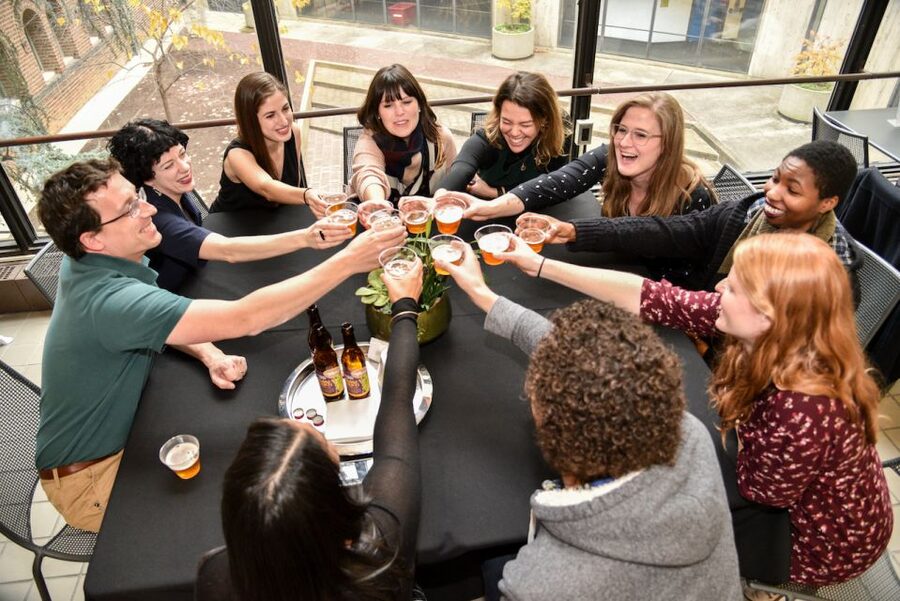
I would choose this tour if you like archaeology with a clear, unusual subject. It suits adults interested in food history, ancient rituals, museum objects, fermentation, and the science used to study old materials.
It also works well for a first visit to the Penn Museum if you prefer a guided introduction. The Sphinx meeting point, English-speaking guide, and set 90-minute format give you a simple way to enter the museum without planning your own route.
You may want to skip it if you dislike alcohol-focused topics, do not drink beer, or want a long, general tour of the museum’s collections. The tasting is only one part of the activity, but the entire program is built around drinking culture.
Should you book the Ancient Alcohol Tour?
Book it if you want a compact museum experience with a strong subject, unusual artifacts, and a modern science angle. The best reason to go is not the beer alone. It is the chance to see how vessels, royal objects, written records, and chemical traces reveal what drinking meant thousands of years ago.
At $60, the tour is a considered purchase, but admission, a live guide, and a tasting voucher are included. Choose it for focused interpretation and memorable details such as the queen’s golden straw, Egyptian afterlife rations, and the banquet linked to King Midas. Skip it if you want a broad museum tour or a substantial food-and-drink outing.
FAQ
Where does the Ancient Alcohol Tour meet?
Meet at the Penn Museum main entrance beside the Sphinx. Enter through the iron gate into Warden Garden, pass the koi pond, and continue to the main doors.
How long does the tour last?
The tour lasts 1.5 hours, or 90 minutes. It is usually available in the afternoon.
What language is the tour conducted in?
The live tour guide conducts the experience in English.
Is museum admission included?
Yes. The price includes an admission ticket to the Penn Museum.
Is beer tasting included?
Yes. A voucher for a beer tasting is included. The supplied details do not specify the tasting location, beer selection, or serving size.
Is the tour wheelchair accessible?
Yes. The activity is wheelchair accessible, and the entrance can be reached by a ramp at South and 33rd Streets.
Just added around the USA
- Wildlife Center with Lunch & Local Beer Sampling★ 5.0 · 6 reviews
- Private Custom Brewery Tour in a ’72 VW Bus – Roadies Local★ 5.0 · 13 reviews
- Viking Brewery Tour★ 5.0 · 23 reviews
- Private Traverse City Winery or Brewery Tour★ 5.0 · 32 reviews
- KaBrew: Traverse City’s Original Kayak Brewery Tour Experience★ 4.5 · 15 reviews
- NON BUS MOVIE STARS Traverse City Brewery And Distillery Tour★ 5.0 · 2 reviews
- Private Sidecar Brewery Tour through Temecula★ 4.0 · 7 reviews
- Temecula’s Best Combo/Beer Tour★ 5.0 · 5 reviews
USA Beer Tours, compared.
Hidden Brewery Caverns Tour in Cincinnati with Beer Tasting
Read our review →
All-Inclusive Pub Crawl with Moonshine, Cocktails, and Craft Beer
Read our review →

Nashville Brewery & Distillery Tour by Golf Cart
Read our review →
Haunted Underground Shanghai Tunnel Tour with Brewery Tastings
Read our review →
Key West: All-Inclusive Watersports Adventure with Lunch & Beer
Read our review →

Browse the lists this tour appears in