
REVIEW · BEIJING
Beijing: Hidden Gems Guided Food Tour with Beer and Tastings
The most interesting part of this Beijing evening is not one superstar dish. It is the way the food is tucked into old neighborhood lanes, where a courtyard noodle shop, a modest Muslim diner, and a rooftop hotpot restaurant reveal different sides of the city. You walk about 1.5 miles through the hutongs, stopping four times for a meal’s worth of tastings.
I like the range of dishes, from smoky sesame dipping sauce and thin-sliced mutton to handmade noodles and spring pancakes eaten like a burrito. I also like the guides’ strong local connection. Janice, Joe, Tony, Winnie, Yoyo, Haitao, and others are praised for explaining both the food and the streets around it. The main consideration is that this is a walking tour through narrow lanes, so it is not suitable for people with mobility impairments and may feel tiring in bad weather.
Key points at a glance
- Four substantial food stops: The tastings add up to dinner, not just a few token samples.
- A 2.5km hutong walk: You see old residential lanes while moving between neighborhood restaurants.
- A rare Beijing Muslim specialty: One stop serves a dish associated with Empress Cixi and now found in very few places.
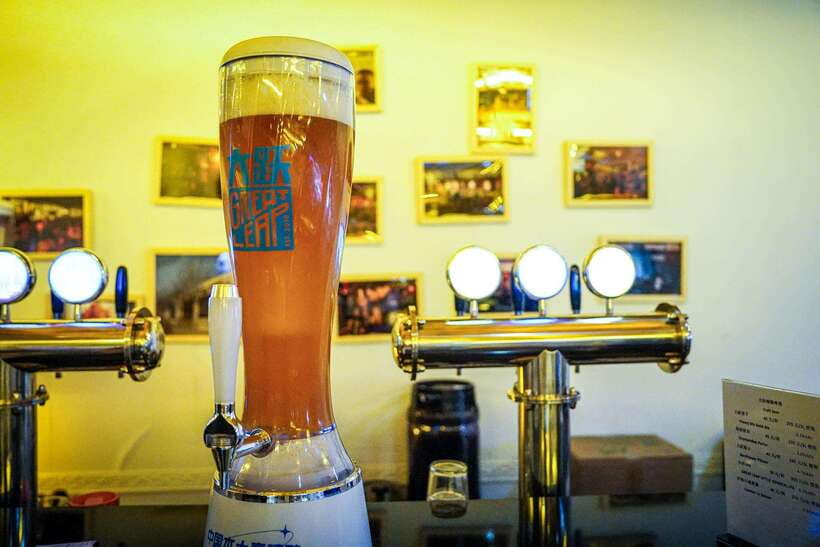
- Rooftop hotpot and local beer: Copper pots, clear broth, sesame sauce, and a view toward the old bell tower make this a memorable meal.
- English-speaking local guides: Guides such as Janice, Joe, Tony, Winnie, Yoyo, and Haitao explain food customs, buildings, and daily life.
- A practical first-night choice: You get dinner, orientation, and food suggestions in one 3.5-hour outing.
Why this food tour works so well in Beijing
Beijing food can be difficult to decode on your own. Menus may be short on English, small restaurants can be hard to spot, and the best neighborhood places often have no reason to advertise to foreign visitors. This tour solves that problem by taking you to four local eateries in and around the Shichahai hutongs.
The food is only part of the value. Between stops, your guide explains what you are eating, why it matters, and how the surrounding area has changed. That gives the evening a useful rhythm: eat, walk, listen, eat again.
I would especially consider this tour for your first or second night in Beijing. You get an early feel for the city’s northern cooking, learn how locals use hutong restaurants, and leave with ideas for what else to order during your stay.
At $75 per person, the price is not cheap by Beijing standards. But it includes four food stops, a local guide, a pint of locally brewed craft beer, and unlimited beer and sodas during the tour. Since the tastings are designed to equal dinner, the price can make sense if you value access, translation, and local context rather than simply paying for a restaurant meal.
More Beer Tastings in China:
- Shanghai: Craft Beer Tasting in Former French Concession
★ 5.0 · 13 reviews - Shanghai craft beer tour with local food tastings
★ 5.0 · 6 reviews - Bruges: Guided Tour & Boat Ride with Optional Beer Tasting
★ 4.4 · 3,894 reviews
Meeting at Shichahai and entering the hutongs
The tour begins at 6:30 PM at Shichahai Subway Station, Exit C. Plan to arrive about 10 minutes early. The subway is the simplest way to reach the meeting point, as traffic around Shichahai can be heavy during rush hour.
From the station, the route moves into Beijing’s historic hutong lanes. These narrow passages developed between rows of courtyard homes, many of which were built for officials and wealthy families. The word hutong and the way these lanes grew outward from the Forbidden City are part of the introduction.
This is not a sightseeing walk in the usual monument-to-monument sense. You are looking at entrances, walls, small businesses, parked bicycles, and everyday neighborhood life. The streets are narrow and can be uneven, so comfortable shoes matter. The tour operates in all weather, which means you should dress for the forecast, especially in winter or during Beijing’s hotter summer evenings.
The route covers about 2.5 kilometers. That is manageable for most active walkers, but it is worth taking the mobility warning seriously. This is a walking meal through old lanes, not a seated restaurant crawl with short transfers.
Copper-pot hotpot with a bell tower view
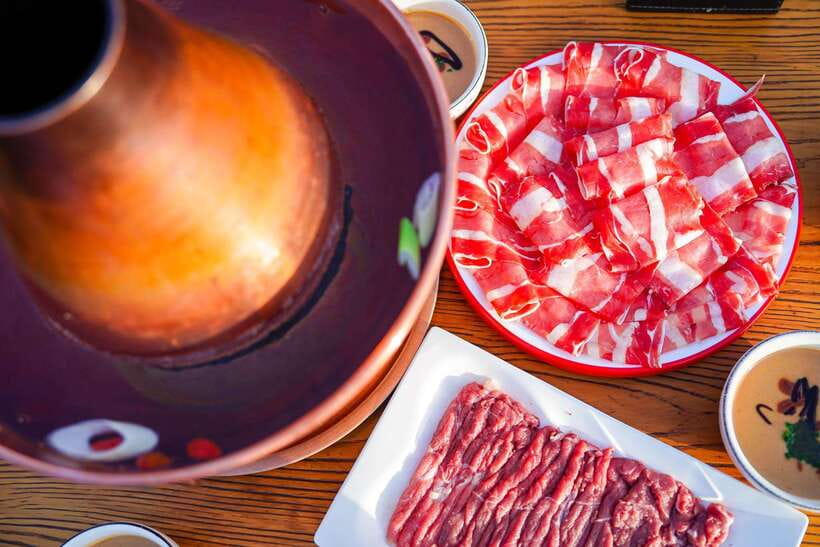
One of the evening’s highlights is Beijing-style mutton hotpot served in traditional copper pots. The broth is clear rather than heavily seasoned, so the quality of the meat and vegetables does most of the work.
Thin slices of mutton and beef cook quickly in the simmering pot. You pick them up with chopsticks, then dip them into sesame paste sauce. The sauce gives the meat a creamy, nutty flavor and is one of the details that makes northern hotpot different from many spicy hotpot styles found elsewhere in China.
The setting adds another layer. This stop has rooftop views toward Beijing’s old bell tower, giving you a sense of place while you eat. A pint of local craft beer is included, and beer is a useful match for the rich meat and sesame sauce.
I like this stop because it teaches you how Beijing hotpot is meant to taste. The clear broth may seem restrained if you expect chili oil, but that is the point. You are sampling a local style in which the dipping sauce and quality ingredients carry the flavor.
The practical drawback is that hotpot can be a shared, hands-on meal. If you are not used to cooking food at the table, your guide will help, but you should expect an active meal rather than a plate arriving fully prepared.
Beijing noodles in a courtyard restaurant
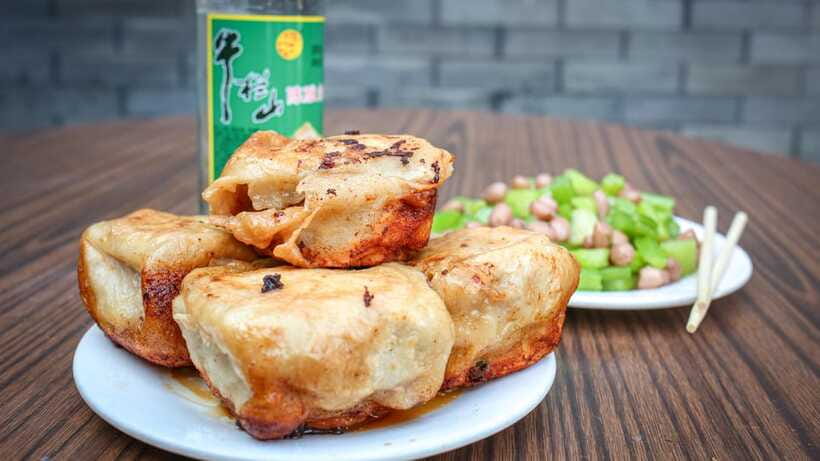
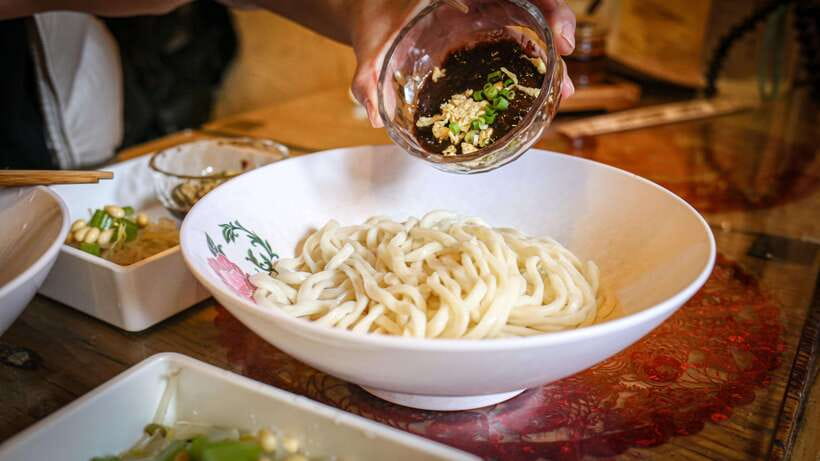
Beijingers have a particular noodle dish they simply call Beijing noodles. The tour takes you to a small noodle shop hidden inside a hutong courtyard, where the noodles are made with a house recipe.
The setting matters here. This is the kind of place that can be easy to miss if you are walking alone. It is not presented as a grand culinary institution. Instead, the appeal comes from a focused menu, a neighborhood location, and a dish that locals consider a basic part of Beijing comfort food.
Expect the guide to explain how the dish is assembled and why it has such a strong place in local eating habits. The noodles are one of the more approachable stops on the route, especially if you want a familiar entry point before trying the rarer dishes later in the evening.
This stop also shows why a guide is useful. You do not need to spend time guessing which restaurant to enter or trying to make sense of a short Chinese menu. You can concentrate on the texture, sauce, and local setting.
More Beer and Food Tours in China:
- Beijing Hutong Walking Food and Beer Tour at Hidden Restaurants
★ 5.0 · 1,132 reviews - Chengdu: Hidden Dishes and Beers UNESCO Food Evening Tour
★ 4.8 · 49 reviews - Authentic Old Beijing Hutong Food and Beer Private Tour
★ 5.0 · 49 reviews - sky100 Ticket includes Fried Chicken Bites & Beer at Cafe100
★ 4.5 · 4 reviews
A rare Muslim dish linked to Empress Cixi
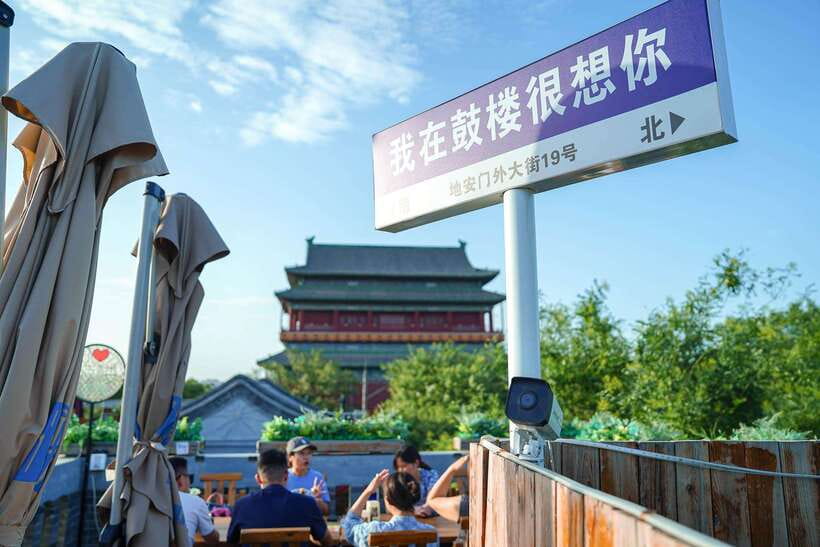
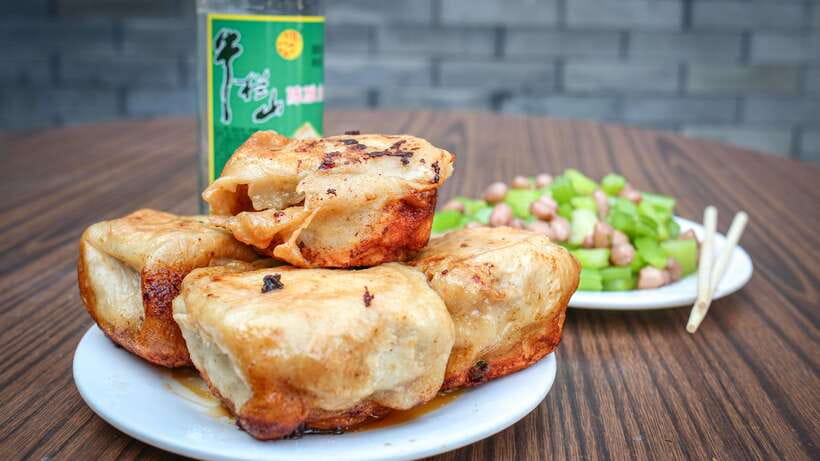
The most unusual stop is a small Muslim eatery serving a rare Beijing specialty associated with Empress Cixi. The dish is described as endangered because very few places in the city still serve it.
That description should make you curious, but do not expect a polished dining room. The restaurant is a neighborhood place, frequented mainly by local men. Baijiu bottles are kept behind the counter, adding to the feeling that this is an everyday social spot rather than a restaurant built around tourism.
Your guide provides the context that makes this tasting worthwhile. You learn about Beijing’s Muslim food traditions, the dish’s connection with Cixi, and why old specialties can disappear as eating habits change.
I appreciate that the tour does not stick only to famous dishes that are easy to find in guidebooks. This course gives the evening a sense of discovery without requiring you to track down an obscure address on your own.
The food may be less familiar than the noodles or hotpot. If you prefer predictable flavors and modern restaurants, this could be the stop that feels least comfortable. If you enjoy learning why a dish matters, it may be the most memorable part of the night.
Spring pancakes and the meaning of family
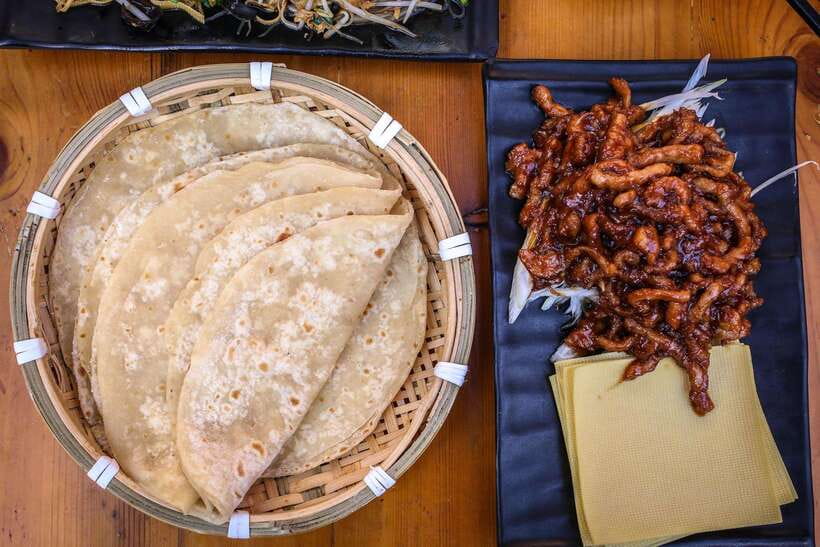
The final featured stop focuses on spring pancakes, a traditional food linked with Chinese New Year and the arrival of spring. A husband-and-wife team makes the pancakes fresh to order.
You eat them by wrapping fillings inside, much like a burrito. The shape and shared style of eating connect the dish with family reunion and togetherness, while the seasonal tradition points to hopes for a good harvest.
This is a useful reminder that Chinese food often carries meaning beyond flavor. A simple pancake can mark a calendar event, bring relatives together, and express hopes for the coming year.
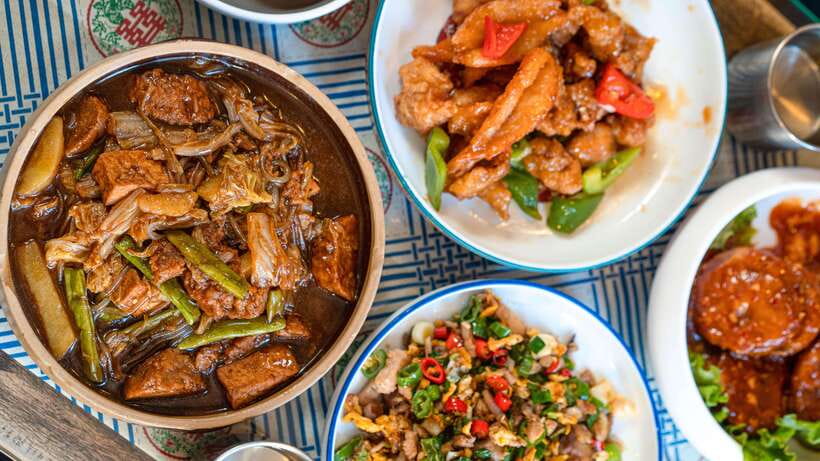
The stop also gives you a different texture and pace from hotpot and noodles. Instead of cooking meat at the table or working through a bowl of noodles, you assemble the pancake and eat it with your hands. By this point, you should arrive hungry. The four stops are described as equivalent to dinner, and the portion of food can be substantial.
The exact lineup can change with daily vendor operations and availability. That is worth accepting as part of the experience. You should expect the same overall pattern of local food and neighborhood restaurants, but not treat every dish as fixed.
What the guides add to the evening
The guides are a major reason this tour earns its price. They do more than lead you between restaurants. They explain the ingredients, show you how to eat unfamiliar dishes, and connect food with buildings, customs, and daily life.
Janice is praised for clear English and for helping people feel comfortable, including assistance with directions and a later metro issue. Joe is described as relaxed and informative, a useful combination if you prefer a guide who does not rush the group. Tony is frequently singled out for energy, humor, and a friendly manner.
Other guides named for this experience include Winnie, Yoyo, Haitao, Uyi, Teagan, Tara, Zoey, Carmen, Bonnie, and Grizo. The individual style will vary, but the consistent strength is the food knowledge and local explanation.
You should also feel free to ask for restaurant suggestions or other foods to try in Beijing. The guides are well placed to help you understand what you have eaten and how to continue exploring after the tour.
Drinks, timing, and the value of dinner included
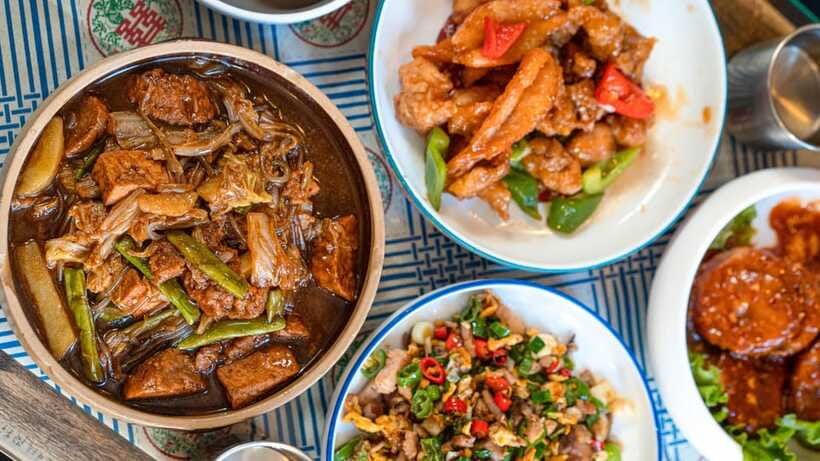
The tour lasts 3.5 hours and starts in the evening. That timing works well for a first-night plan because you can spend the afternoon at major sights, then use dinner to get oriented in the older neighborhoods.
A pint of locally brewed craft beer is included, along with unlimited beer and sodas during the tour. Water is also mentioned as available during the tastings. At one stop, you may encounter baijiu, the strong Chinese spirit often served socially, but you should not treat that as the main purpose of the outing.
The drink selection makes the tour more social, but you can focus on food if alcohol is not your priority. Tell the operator about dietary requirements when booking. The supplied information does not promise a specific vegetarian, halal, gluten-free, or allergy-safe menu, so you should ask before paying.
At $75, I see the strongest value in the combination of access and convenience. You are not merely buying four dishes. You are paying for an English-speaking guide, restaurant selection, translation, neighborhood orientation, and a ready-made dinner route that would be difficult to recreate in a short visit.
Who should book this Beijing evening
I would recommend this tour to you if:
- You want to try local food but feel unsure about ordering alone.
- You enjoy small neighborhood restaurants more than polished dining rooms.
- You want a first-night introduction to Beijing.
- You like learning the story behind a dish.
- You can comfortably walk 2.5 kilometers through narrow lanes.
- You are happy for the menu to adjust when vendors are unavailable.
I would be more cautious if you have limited mobility, strict dietary needs, or want a quiet, formal dinner. The tour involves walking, shared eating, changing venues, and local places that may not be designed around international dining expectations.
The minimum operating requirement is two people. If that number is not met, the tour can be cancelled after confirmation, with an alternative date or full refund offered. You can cancel up to 24 hours ahead for a full refund, and reserve now while paying later.
Should you book it?
Book this tour if you want Beijing food with explanation, not just a list of restaurant stops. The combination of hutong walking, four filling tastings, craft beer, and rare local dishes gives you a strong introduction to the city in one evening.
I would choose it early in a Beijing visit, especially if you are staying near central sights and want help getting beyond standard tourist restaurants. Arrive hungry, wear comfortable shoes, and keep an open mind about the less familiar Muslim specialty.
Skip it if you need a fully accessible route or a fixed menu tailored to strict dietary rules. For most food-focused visitors who can walk comfortably, the tour offers a practical and flavorful start to Beijing.
FAQ
Where does the Beijing food tour meet?
Meet at Shichahai Subway Station, Exit C, at street level. The station is on Line 8.
What time does the tour begin?
The tour begins at 6:30 PM. You should meet your guide 10 minutes before the start time.
How long does the tour last?
The experience lasts 3.5 hours.
How far do you walk?
The route covers about 1.5 miles, or 2.5 kilometers, through Beijing’s hutong lanes.
How many food stops are included?
Four food stops with tastings are included. The amount of food is intended to be equivalent to dinner.
Is beer included?
Yes. The experience includes a pint of locally brewed craft beer, plus unlimited beer and sodas during the tour.
What language does the guide speak?
The live guide speaks English.
Can I request food for dietary requirements?
You should advise the operator of any dietary requirements when booking. The available information does not specify which dietary requests can be accommodated.
Is the tour suitable for people with mobility impairments?
No. The tour is not suitable for people with mobility impairments because it involves walking through hutong alleyways.
More Food Tours in China
- Evening Food Private Tour with Brewery Taproom Hopping at Slow Boat in Beijing
★ 4.5 · 3 reviews - Porto Craft Beer Tour: 7 Beers + 3 Food Pairings in a Small Group
★ 5.0 · 1,725 reviews - Bavarian Beer and Food Evening Tour in Munich
★ 4.5 · 1,575 reviews - Munich: Beer and Food Tour with Dinner & Oktoberfest Museum
★ 4.7 · 1,086 reviews
Just added around China
- Shanghai craft beer tour with local food tastings★ 5.0 · 6 reviews
- Secret Noodle and Wonton in Shanghai Alleyways with Local Beer★ 5.0 · 19 reviews
- Private Qingdao Laoshan half day tour with one bottle of Tsingdao beer as gift★ 5.0 · 2 reviews
- sky100 Ticket includes Fried Chicken Bites & Beer at Cafe100★ 4.5 · 4 reviews
- sky100 Ticket includes Beer at Café 100 by The Ritz-Carlton HK★ 4.5 · 2 reviews
- Half-Day Private Harbin Beer Museum and Brewery Tour★ 4.5 · 2 reviews
- Evening Food Private Tour with Brewery Taproom Hopping at Slow Boat in Beijing★ 4.5 · 3 reviews
- Shanghai: Craft Beer Tasting in Former French Concession★ 5.0 · 13 reviews
Beijing Beer Tours, compared.
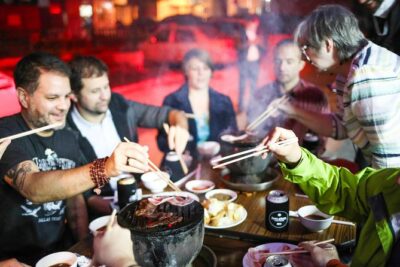
Beijing Hutong Walking Food and Beer Tour at Hidden Restaurants
Read our review →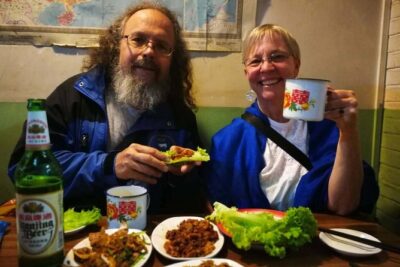
Authentic Old Beijing Hutong Food and Beer Private Tour
Read our review →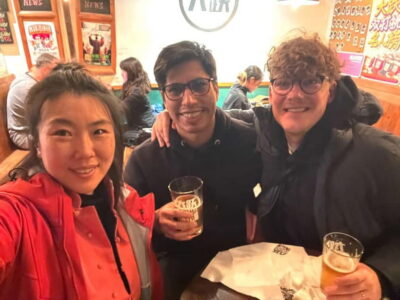
Beijing Hutong Dinner and Beer Walking Private Tour
Read our review →
Evening Food Private Tour with Brewery Taproom Hopping at Slow Boat in Beijing
Read our review →Browse the lists this tour appears in