
REVIEW · GERMANY
Mendig: Guided tour in the 30m deep volcanic beer cellar
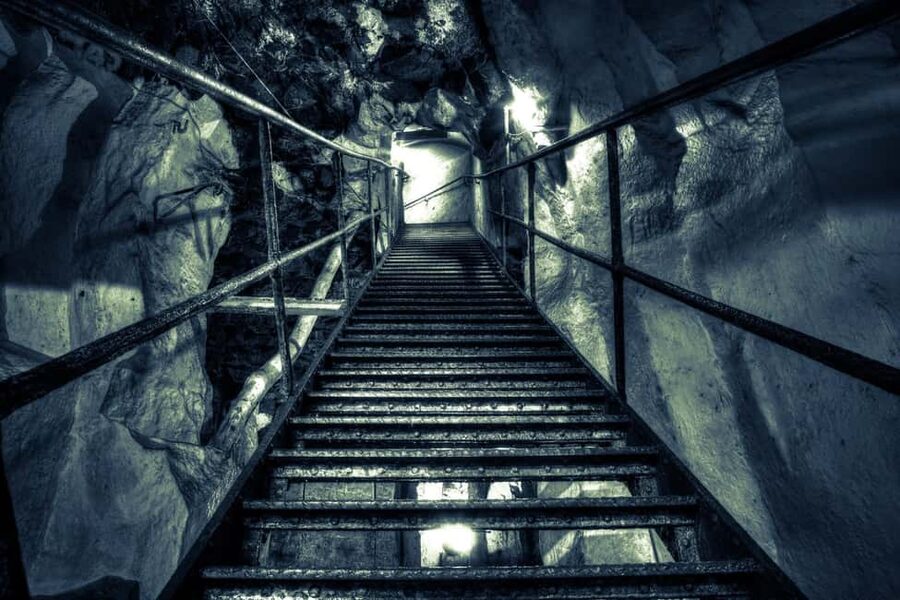
Mendig’s beer cellar is not a polished modern brewery attraction. It is a 30-meter-deep basalt quarry, reached by 153 steps, where beer was once stored in the cool darkness beneath the town. I like the unusual link between volcanic rock, local brewing, and the old need for natural refrigeration. I also like that you see historic tanks and Bourbon Barrel Doppelbock aging in real wooden barrels, rather than simply hearing a brewery talk about tradition.
The main drawback is physical access. There is no elevator, the cellar stays around 8 to 9 degrees Celsius, and the tour is not suitable for people with mobility, breathing, circulatory, or claustrophobia concerns. There is also no beer tasting, so this is best for history and industrial curiosity, not for a drinking session.
Key points to know before you go
- 153 steps lead 30 meters underground: The descent and return are the central part of the visit.
- Basalt made the cellar possible: Learn how volcanic rock from the Lake Laach eruption shaped Mendig’s brewing trade.
- The temperature stays around 8 to 9 degrees Celsius: Bring a jacket, even in summer.
- Barrel-aged beer is stored below ground: Look for Bourbon Barrel Doppelbock resting in original American bourbon barrels.
- The one-hour tour is in German: Some material may appear in its original language.
- The $16 price covers the cellar tour, not a tasting: You pay for access, explanation, and the unusual setting.
Why Mendig built beer cellars under the town
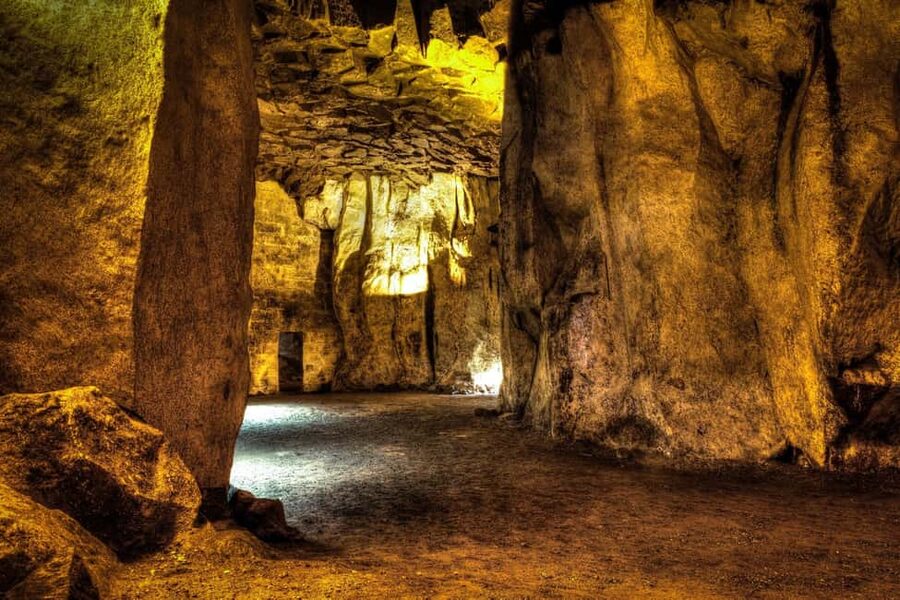
Mendig’s brewing story begins with volcanic activity, not hops. The eruption of Lake Laach left behind basalt, a dark volcanic rock that was quarried beneath the town. Those underground workings later became useful to brewers because the rock provided a naturally cool place to ferment and store beer.
That connection gives this visit its real character. You are not walking through a cellar designed as a tourist attraction. You are entering an old industrial space shaped by quarrying, brewing, and the limits of pre-modern technology.
Before reliable refrigeration, brewers needed a way to keep beer cool, especially when making bottom-fermented beer. The underground rooms offered stable temperatures year-round. The 1876 invention of the refrigerator changed brewing, making it possible to produce bottom-fermented beer in summer and in places without natural cellars.
The old rooms did not become useless overnight. The brewery still uses the historic cellars for selected beers, including barrel-aged varieties. That gives the tour a useful present-day link: you are seeing a historic method that still has a job.
More Guided Tours in Germany:
- Hamburg: St. Pauli Highlights Guided Tour with Beer for 18+
★ 4.7 · 2,353 reviews - Munich’s Beer Halls and Breweries: 3-Hour Guided Tour
★ 4.6 · 928 reviews - Bamberg: Guided Beer History Tour with Optional Tasting
★ 4.6 · 772 reviews
From the Vulkan Shop to 153 underground steps
The meeting point is in the courtyard in front of the Vulkan Shop. From there, the tour takes you into the historic basalt rock cellars and down toward the storage and fermentation rooms.
The 153-step descent is not a small detail to add at the end of your planning. It shapes the whole visit. You need sturdy, closed-toe shoes, and you should expect a physically demanding walk both down and back up. The cellar is described as about 30 meters, or roughly 100 feet, below ground.
I would treat the stairs as part of the attraction, but not underestimate them. If you have walking difficulties, breathing problems, circulatory problems, high blood pressure, or a low level of fitness, this is not a good choice. The tour also is not suitable for wheelchair users, electric wheelchair users, or people who find enclosed spaces difficult.
The cellar is visited at your own risk. That wording matters because this is an old underground working environment, not a fully accessible museum route. Wear shoes with a firm grip, keep your hands free if possible, and bring a jacket. At 8 to 9 degrees Celsius, the temperature will feel cold after a warm walk through Mendig.
The volcanic story beneath Mendig
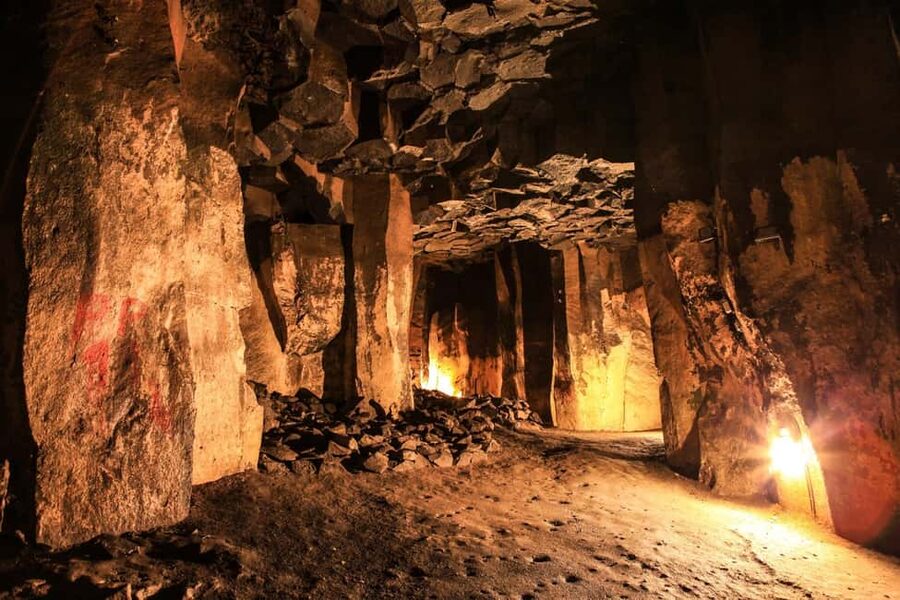
Once underground, the guide explains how the Lake Laach eruption relates to the basalt quarries and the brewing town. The key idea is simple: volcanic rock created the underground rooms, and those rooms created a practical place to make and keep beer.
The basalt is not just a backdrop. It is the reason the cellar exists. The rock gives the setting a rough, elemental quality that a purpose-built brewery cellar could not reproduce. You can connect the dark quarry walls with the town’s old brewing economy and with the practical problem of keeping beer cool before mechanical refrigeration.
The tour also helps explain why Mendig became known as a brewing town. The underground cellars were valuable working spaces. They allowed brewers to ferment and store beer at a more dependable temperature than they could manage above ground.
This is where the tour is strongest. It turns what might seem like a strange underground walk into a lesson in how geology affected everyday business. The volcanic eruption happened long before modern brewing, yet it helped shape the local beer trade for generations.
Old tanks and the working side of brewing
The route includes old fermentation and storage tanks. These objects help you picture the cellar as a working production area rather than a simple storage cave.
Fermentation tanks matter because they show the stage when beer changes from a sweet liquid into a finished brew. Storage tanks show the next step, when the beer needs time and a cool place before it is ready. The cellar’s low temperature helped brewers manage both parts of that process.
You should not expect a full, modern brewery tour with every stage of production in operation. The emphasis here is on the historic cellar, its use, and the old equipment still connected to brewing. The one-hour format keeps the visit focused, but it also means the guide cannot cover every technical detail in depth.
For me, the tanks are most useful when paired with the explanation of natural cooling. On their own, old tanks can look like industrial antiques. In the cellar, they show how brewers once worked with the space, temperature, and rock available to them.
A few more beer tours around Germany worth a look
- Cologne: Brewery Tour with 3 Kölsch Beer Tastings
★ 4.7 · 3,108 reviews - Bavarian Beer and Food Evening Tour in Munich
★ 4.5 · 1,575 reviews - Düsseldorf: Brewery Tour with Alt Beer Tastings
★ 4.7 · 1,523 reviews - Classic Mike’s Bike Tour daily @ 11.30 incl Beer Garden & Surfers
★ 5.0 · 1,246 reviews
Bourbon Barrel Doppelbock under the ground
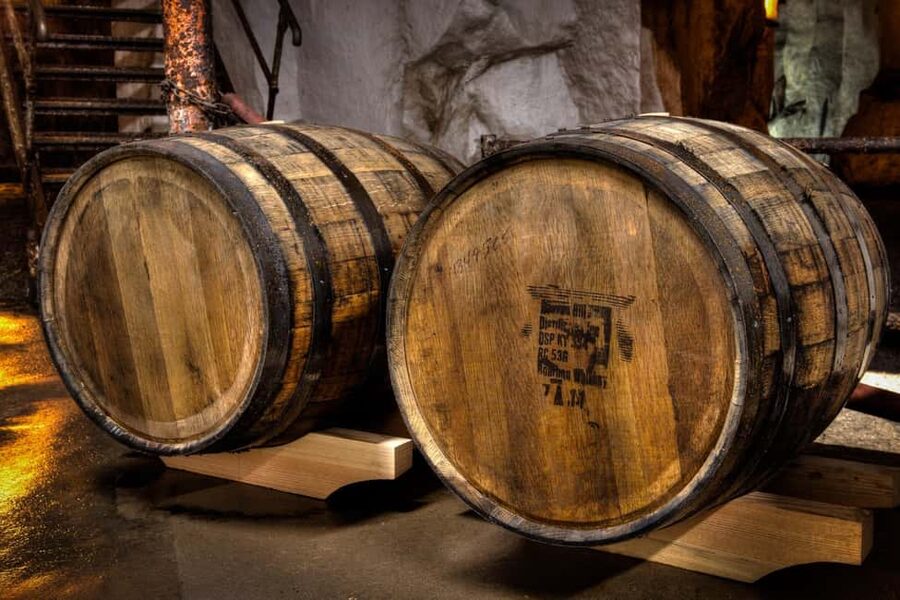
One of the more unusual sights is beer stored in original bourbon wooden barrels from the United States. The featured beer is Bourbon Barrel Doppelbock, which was named Germany’s best craft beer in 2017.
That detail gives the old cellar a modern purpose. The brewery is not simply preserving a historic room. It is using the environment to store a special beer with a strong connection to barrel aging.
Doppelbock is a strong German lager style, and bourbon barrels add another layer of character through the wood and the former spirit storage. I would not expect to sample it here, though. Beer tasting is not included in the tour, so the barrel display is something you see and learn about rather than taste during the visit.
That may disappoint anyone choosing the tour mainly for beer. If you want a drink-led brewery experience, check the brewery’s other offerings separately. If you enjoy the story of how old storage spaces are used for unusual beers, the barrels are a worthwhile part of the route.
What the one-hour format gives you
The tour lasts one hour, which is enough time to cover the descent, the basalt cellars, Mendig’s brewing background, the old tanks, and the barrel-aged beer storage without turning the visit into a half-day commitment.
I like this length for a stop in the region. You get a distinct local experience, but you can still fit it around other plans in Rhineland-Palatinate. The short duration also makes the $16 price easier to judge. You are paying about the cost of a casual meal or drink for access to a place most ordinary town walks cannot show you.
The value is strongest if you care about one or more of these subjects:
- Volcanic geology
- Historic brewing
- Industrial archaeology
- Traditional storage methods
- Local German town history
The value is weaker if you expect a tasting, a large number of beers, or a hands-on brewing workshop. The tour gives you context and access to the cellar. It does not include alcohol.
There are only two reviews recorded for the experience, both awarding five stars, including a verified German booking dated February 1, 2026, with the brief assessment Interessant und empfehlenswert, meaning interesting and recommended. That is a positive signal, but it is too small a sample to treat as proof of every visitor’s experience. The practical details are more useful than the rating: bring warm clothing, prepare for the steps, and do not arrive expecting a tasting.
German language and practical preparation
The live tour guide speaks German. Some content is shown in its original language, so you should be comfortable with a German-language explanation or be prepared to follow the main visual points without understanding every word.
The supplied information does not name the guide, so there is no specific guide to request. The tour is provided by Vulkan Brauerei GmbH & Co. KG.
Wear closed-toe, sturdy footwear. Sandals, smooth-soled shoes, or flimsy trainers are poor choices for 153 underground steps. Bring a jacket even if the weather above ground is warm.
Pets, bikes, baby carriages, alcohol, and drugs are not allowed. Party groups and bachelor or bachelorette groups are also excluded. Drinking alcohol makes the visit impossible, so plan this before any brewery drinking elsewhere.
The tour can be canceled up to 24 hours in advance for a full refund, and you can reserve now and pay later. Availability depends on the selected starting time, so check the schedule before planning the rest of your day.
Who will enjoy the cellar most
I would recommend this to adults and older children who can manage a long staircase and enjoy unusual local history. It is particularly well suited to people who like seeing the working spaces behind food and drink traditions.
It also suits anyone interested in volcanoes. The cellar gives the Lake Laach eruption a practical human connection: the same geological event that produced the basalt helped create underground rooms for brewing.
Beer fans should come with the right expectation. You will see old fermentation and storage equipment and barrel-aged beer, but you will not taste the Bourbon Barrel Doppelbock on this tour. The experience is about place, process, and storage.
I would skip it if you have claustrophobia, serious mobility limits, breathing problems, circulatory concerns, high or low fitness, or difficulty with stairs. You should also skip it if you want an accessible attraction or an easy brewery visit with a tasting.
Should you book the Mendig cellar tour?
Book it if you want a one-hour experience that joins volcanic geology and beer history in a setting you cannot reproduce above ground. At $16, the price is fair for access to the 30-meter cellar, the old tanks, the basalt quarry, and the barrel-aged beer storage.
Do not book it for the beer alone. There is no tasting, the tour is in German, and the 153-step route demands steady footing and reasonable fitness.
For the right visitor, the cellar is memorable because it explains why Mendig became a brewing town in the first place. Bring a jacket, wear solid shoes, and regard the stairs as part of the story rather than an inconvenience.
FAQ
Where does the tour meet?
Meet in the courtyard in front of the Vulkan Shop.
How long does the tour last?
The guided tour lasts one hour.
How far underground does the tour go?
The cellar is about 30 meters, or 100 feet, underground.
How many steps lead to the cellar?
Access requires descending 153 steps.
What language is the tour in?
The live tour guide speaks German. Some content is shown in its original language.
Is beer tasting included?
No. Beer tasting is not included in the tour.
What beer can I see in the cellar?
The cellar stores special beers, including Bourbon Barrel Doppelbock in original bourbon wooden barrels from the United States.
How cold is the cellar?
The cellar temperature is approximately 8 to 9 degrees Celsius.
What should I bring?
Bring a jacket and sturdy, closed-toe shoes.
Can I cancel the booking?
You can cancel up to 24 hours in advance for a full refund. You can also reserve now and pay later.
Just added around Germany
- Würzburg: Unique Brewery Tour with Beer Tasting★ 5.0 · 2 reviews
- Warstein: Warsteiner World Brewery Tour★ 4.6 · 3 reviews
- Ultimate E-Bike Tour of Berlin with Beer Garden Stop★ 5.0 · 4 reviews
- Fünf Seidla Steig ® Beer Hike Food Experience Private Tour (departs Nuremberg)★ 5.0 · 10 reviews
- Superior E-Bike Tour incl. 3rd Reich Sites & a beer Garden Stop★ 5.0 · 8 reviews
- Dragon Slayer Way Beer Hike Food Experience Private Tour (departs Munich)★ 5.0 · 7 reviews
- VIP Oktoberfest experience with table in big beer tent★ 5.0 · 28 reviews
- Self-guided Beer-Tour of Munich: Main Sights, Beer & Breweries★ 5.0 · 4 reviews
Germany Beer Tours, compared.
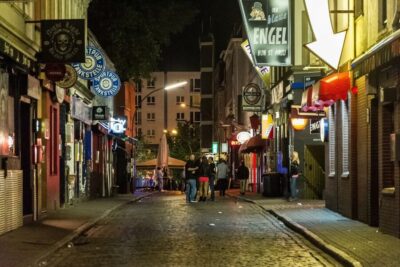
St. Pauli Highlights Guided Tour with Beer for 18+
Read our review →
Bavarian Beer and Food Evening Tour in Munich
Read our review →
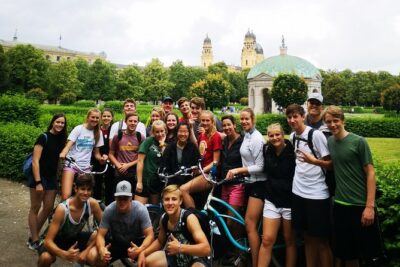
Classic Mike’s Bike Tour daily @ 11.30 incl Beer Garden & Surfers
Read our review →

Beer and Food Tour with Dinner & Oktoberfest Museum
Read our review →Browse the lists this tour appears in