REVIEW · MUNICH
Munich: Old Town Food Tour with 10+ Tastings, Beer & Pretzel
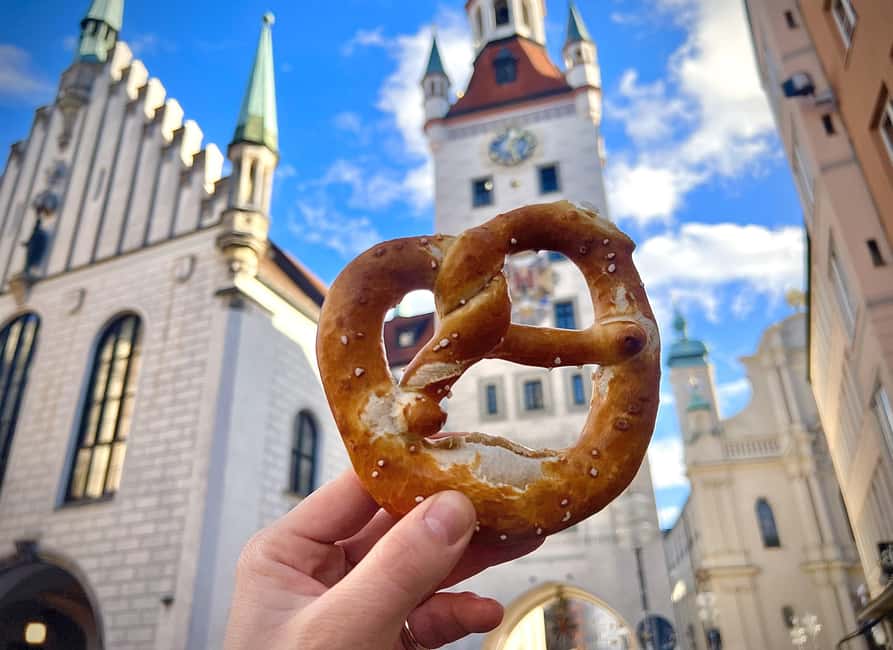
Munich’s best food lesson may begin with a doughnut and end with a beer. This 210-minute walk takes you from a local café to Viktualienmarkt and an iconic beerhall, with more than 10 tastings along the way. I like the small group of no more than 10 and the way food comes with stories about Bavarian customs, rather than arriving as a parade of nameless samples.
I also like the proper morning weisswurst breakfast, served with pretzel, sweet mustard, and wheat beer before noon. The main caution is simple: this is a lot of food. Several stops bring bread, meat, cheese, pastry, and drinks, so arrive very hungry and do not plan a large dinner afterward.
Key points to know before booking
- More than 10 Bavarian tastings: Expect Schmalznudel, pretzel, weisswurst, Leberkäse, cheeses, charcuterie, desserts, beer, honey wine, and a secret dish.
- A real Munich morning ritual: The morning tour includes weisswurst, pretzel, mustard, and wheat beer before noon.
- Viktualienmarkt is central to the experience: You sample local products while walking through one of Munich’s best-known food markets.
- Small groups make a difference: The maximum group size is 10, which helps with questions and keeps the walking stops manageable.
- Afternoon food changes: The afternoon tour serves Rostbratwurst with sauerkraut instead of the morning weisswurst breakfast.
- Come prepared to walk and eat: Comfortable shoes are important, and this tour is not suitable for wheelchair users or people with mobility impairments.
Starting with Schmalznudel near Sebastian Platz
The meeting point is in front of the ceramics shop at Sebastian Platz 11, in central Munich. Look for the guide holding an orange umbrella. That detail matters in a busy old-town setting, especially if you are arriving by public transport or meeting the group in cold or wet weather.
The first bite is Schmalznudel, a Munich-style fried doughnut. It is a useful opening course because it introduces you to a local sweet rather than beginning with the better-known pretzel and sausage routine. The pastry is associated with old-fashioned Munich café culture, and its warm, simple character sets the tone for the morning.
I like starting this way because you begin eating almost at once, but you are not yet facing the heaviest food. You also get an early taste of how the tour works: a small serving, a local food tradition, and a guide explaining why it belongs in Munich.
Your English-speaking guide leads the group on foot from stop to stop. The guides named in past bookings include Nancy, Yasmina, Tatiana, Tetiana, Kierel, and Kyrylo, though the person leading your tour may be different. The strongest part of the guiding style is the connection between what is on the plate and what you are seeing around town. Some guides also make a point of answering questions and checking that everyone is keeping up.
More Beer and Food Tours in Germany
- Bavarian Beer and Food Evening Tour in Munich
★ 4.5 · 1,575 reviews - Munich: Beer and Food Tour with Dinner & Oktoberfest Museum
★ 4.7 · 1,086 reviews - Munich Oktoberfest Tour With Hofbräu Beertent Tickets, Beer, Food
★ 4.5 · 256 reviews
The morning weisswurst breakfast before noon
The morning tour includes one of Bavaria’s most recognizable food customs: weisswurst with fresh pretzel, sweet mustard, and wheat beer. The timing is deliberate. Traditional weisswurst is associated with breakfast before the church bells ring at noon, so this is more than a generic sausage tasting.
Weisswurst is pale, mild, and softer than the grilled sausages you may know from German street food. Sweet mustard gives it a different flavor from sharper European mustards, while the pretzel supplies salt and chew. The wheat beer adds a proper Bavarian touch, even if you do not usually drink beer in the morning.
This stop is especially useful if you are new to Bavarian food. You learn what locals mean by a classic breakfast, rather than simply ordering a sausage at a restaurant and missing the custom behind it. It also gives you a chance to ask how the sausage is served and why the meal is traditionally limited to the first part of the day.
The practical issue is portion size. The breakfast may sound modest, but it arrives after a pastry and before several more tastings. If you are not used to a substantial morning meal, eat slowly. You can enjoy the food more when you treat the tour as a sequence of small courses instead of trying to finish everything quickly.
For the afternoon tour, the sausage course changes to Rostbratwurst with sauerkraut. That version is more savory and tangy, and it gives afternoon participants a different look at Bavarian sausage culture. If this particular breakfast ritual is your main reason for booking, choose the morning departure.
Leberkäse at a traditional butcher
Next comes Leberkäse, a Bavarian meatloaf-style specialty often served as a quick meal or sandwich. The tour stops at a historic butcher for this tasting, which makes the setting part of the lesson. You are not only sampling a famous local food, but seeing the sort of shop where everyday Bavarian meat dishes are sold.
Despite its name, Leberkäse is not usually a liver dish in the way the name might suggest. It is smooth, dense, and filling, with a texture closer to a fine meatloaf than a coarse sausage. You may receive it as a slice or in a sandwich-style serving, depending on the stop and the day.
I find this kind of course valuable because it shows the less polished side of local food. Bavarian cooking is not only roast dinners and festival plates. It also includes practical foods eaten quickly between errands, work, and shopping.
By this point, you will have had pastry, sausage, pretzel, mustard, beer, and meatloaf. That is why an empty stomach is not just a pleasant suggestion. It is the difference between enjoying the second half and quietly calculating how many stops remain.
Grazing through Viktualienmarkt
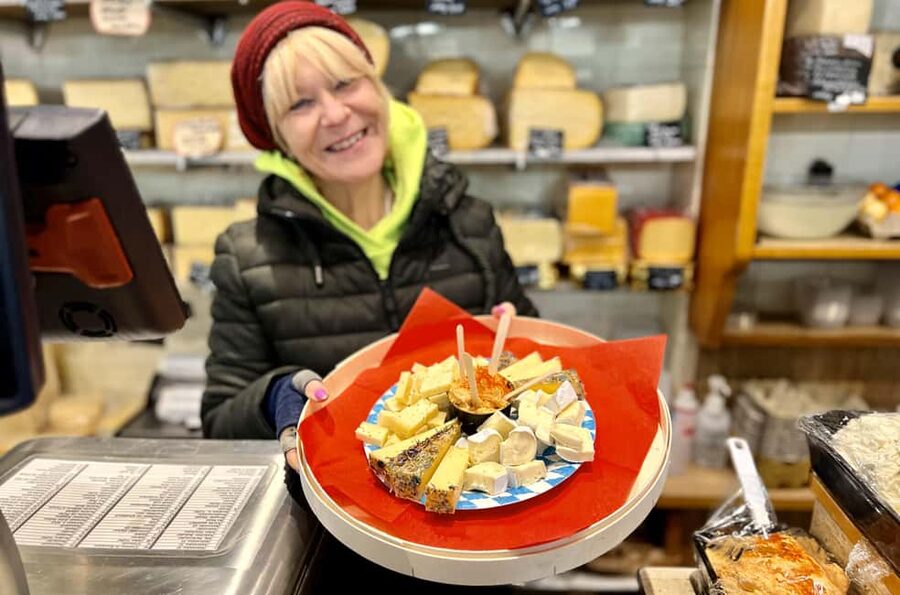
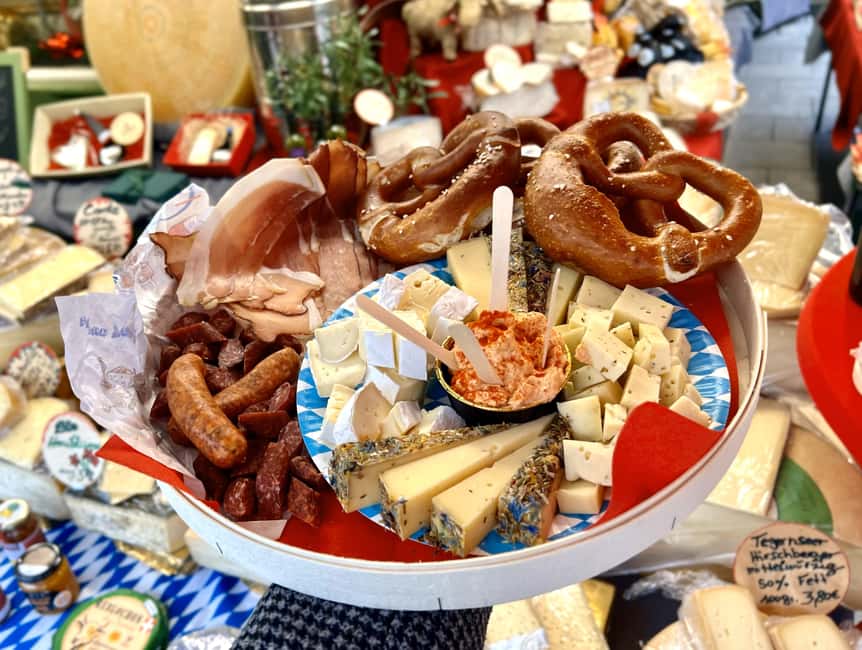
Viktualienmarkt is the tour’s broadest food stop. The market brings together stalls selling local foods and drinks, and the guide uses it to introduce a wider range of Bavarian products. Instead of focusing on one signature dish, you get a shared selection.
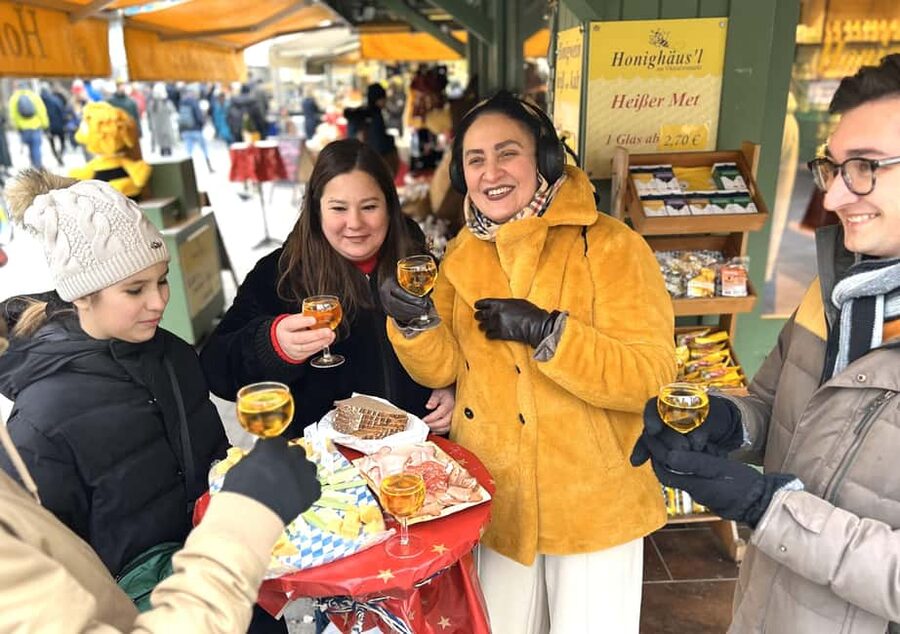
Expect a platter with artisanal cheeses, charcuterie, smoked meats, and fresh local bread. You may also taste artisanal honey wine. This part of the tour works best as a comparison exercise. You can notice differences in texture, smoke, salt, sweetness, and seasoning while the guide explains what you are eating.
The market setting gives the tasting more context than a restaurant table. You see food being sold as part of daily city life, with stalls and shoppers around you. It is also a good place to ask about products you may want to buy later, though the tour does not include hotel delivery or any shopping service.
There is a small tradeoff here. A shared platter can feel hectic if everyone reaches for the same items at once, especially when the group is close to its 10-person limit. One past participant felt that the food explanations could have been fuller during the platter course. If you want detailed information about every cheese and slice of meat, ask direct questions rather than waiting for a long explanation.
I would also manage expectations about the market itself. This is a food tour that visits Viktualienmarkt, not a dedicated market shopping tour. You will taste several products, but the focus remains on eating and learning within the time available.
More Beer and Food Tours in Munich
- Munich: Guided Food Walking Tour with Beer Tasting
★ 4.7 · 183 reviews - Munich Beer and Bavarian Bites Small-Group Tour
★ 5.0 · 167 reviews - Munich: Oktoberfest Tour with Tent Reservation, Food & Beer
★ 4.8 · 117 reviews - Munich Oktoberfest Guided Experience with Beer and Food
★ 5.0 · 65 reviews
Beerhall stories and two Munich brews
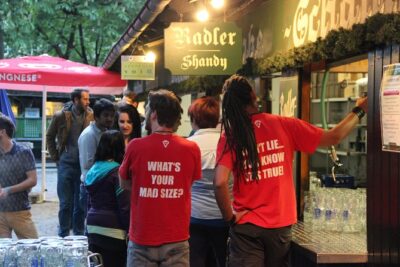
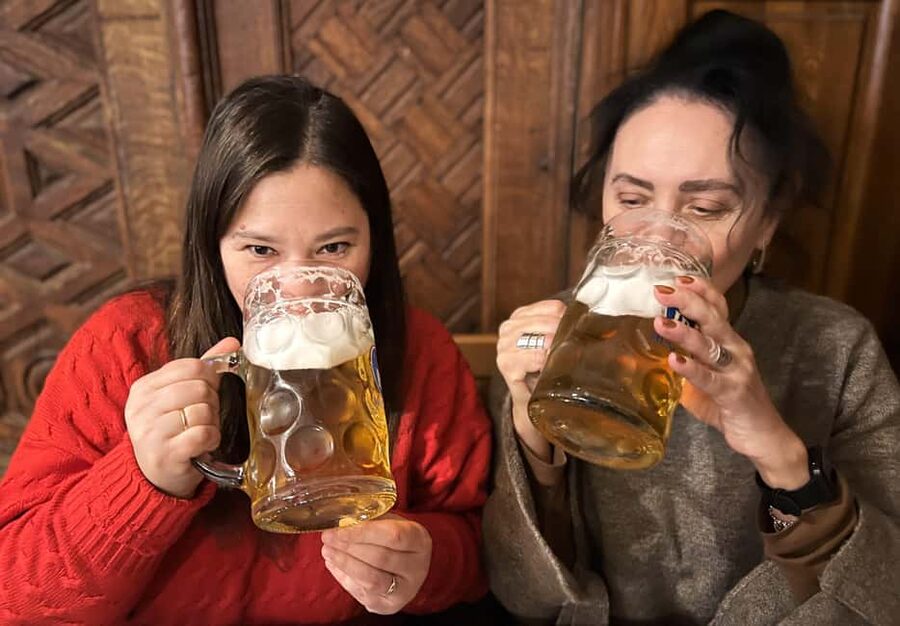
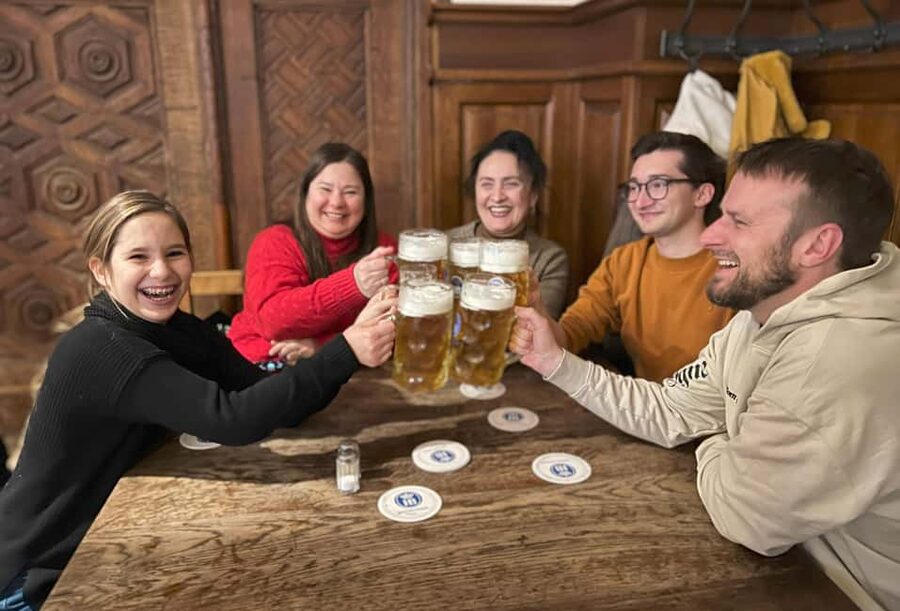
No Munich food walk would feel complete without a beerhall. The tour steps inside one of the city’s iconic taverns, where you sample a Munich-brewed wheat beer and a local brewery lager. The two styles give you a useful contrast without requiring a full beer tasting course.
Wheat beer is often softer and fruitier, while lager is cleaner and more direct. The guide also talks about Munich’s brewing traditions and the role beer halls still play in city life. This is where the tour’s cultural side comes into focus. You are not simply holding a glass in a famous room. You are hearing why beer remains so closely tied to Munich’s public gatherings and food customs.
Beerhall seating and service can be busy, and the exact stop may depend on availability. The provider notes that the menu and locations can change with weather, opening conditions, and other circumstances. That flexibility is worth understanding before booking. You should expect the same general style of experience, but not treat every food or location as guaranteed.
If you rarely drink alcohol, tell the provider when booking and ask what alternatives are available. The supplied details specifically confirm dietary support, but they do not promise nonalcoholic substitutes for every drink. The included tastings are part of the fixed price, so you are not expected to pay separately for the listed food and beer.
Dessert, pastry, and the secret final dish
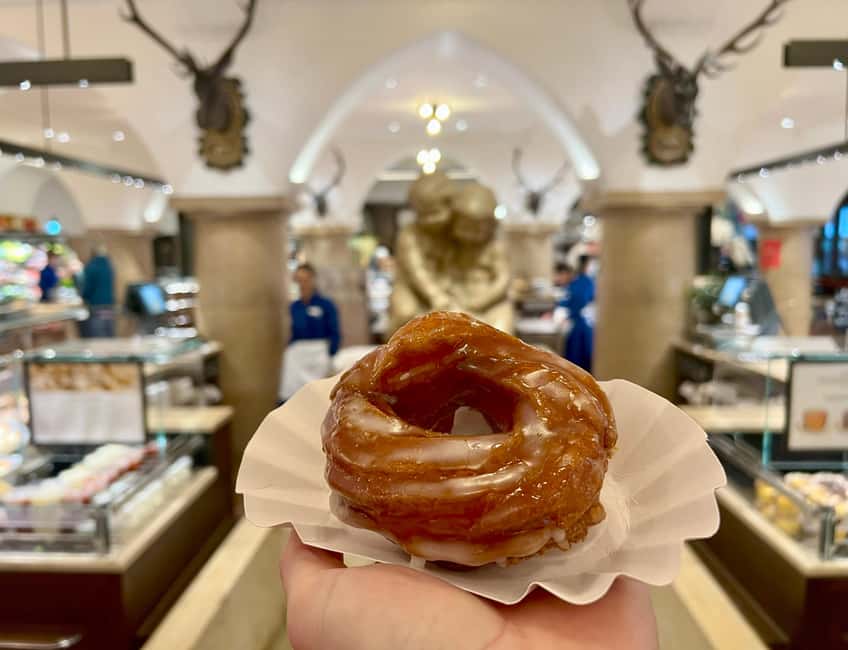
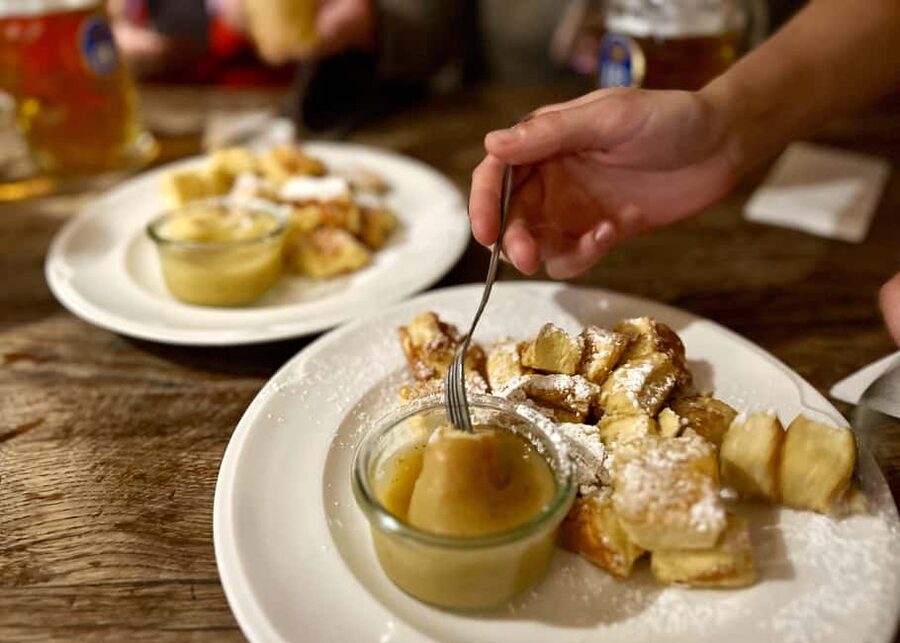
The sweet courses arrive after a long run of savory food. You will receive a traditional Bavarian dessert and an artisanal pastry, followed by the tour’s signature secret dish. The exact surprise is not revealed in advance, which gives the final stop a bit of fun without pretending that every part of the tour can be planned in detail.
I like the decision to include more than one sweet course. Bavarian food is often reduced to pretzels, pork, and sausages, but pastries and desserts are an important part of the local table. After the salt and smoke of the market platter, something sweet gives your palate a reset.
Still, the volume of food is the main concern throughout the tour. Several people found themselves very full before the final stop, and one suggestion was to remove some bread and cheese in favor of a smaller sweet. I would not book this if you prefer light grazing or if you dislike eating early in the day.
The secret dish may also change with the provider’s plans and available locations. Think of it as an extra local bite, not a guaranteed signature recipe that you can research beforehand.
What the guides add to the walk
The food is the reason to book, but the guide determines how much you get from it. The best guides keep the group moving while making room for questions about ingredients, customs, and Munich’s past. Nancy has been singled out for taking care of the group and explaining each stop in detail, while Yasmina and Jasmina have been praised for a warm manner and a good connection with everyone.
Tetiana has led groups through the full amount of food while sharing historical context, and Kyrylo has been noted for linking the city’s story with its cuisine. These details suggest a tour that depends heavily on the individual guide, as most small-group walks do. One participant found a guide softly spoken and missed some of the commentary, so stay near the guide if you want to catch every explanation.
The maximum of 10 participants is a real advantage. You can ask about unfamiliar foods without addressing a crowd, and the guide can usually keep track of dietary needs and walking pace more easily. A group of nine or 10 still has enough people for a social meal, but it is small enough to avoid the anonymous feel of a large coach tour.
Dietary needs, walking, and timing
Vegetarian and other dietary options are available, but you must tell the provider in advance. Do not wait until the meeting point. The food includes meat, dairy, gluten, and alcohol, so early notice gives the team the best chance to adjust the tastings.
The tour lasts three and a half hours and involves a fair amount of walking through central Munich. Wear comfortable shoes. The route is not suitable for people with mobility impairments or wheelchair users, and no hotel pickup or drop-off is included.
The start time matters because the morning weisswurst meal is tied to the traditional pre-noon custom. If you take the afternoon version, you receive Rostbratwurst with sauerkraut instead. Check the available departure when booking and choose based on the food you most want to try.
The meeting point is central, but you are responsible for getting there. The orange umbrella should make the group easier to find, yet allow a few extra minutes for navigation, especially if you are coming directly from a railway station or another sightseeing stop.
Is $115 a fair price?
At $115 per person, this is not a cheap way to grab lunch. It is a guided food-and-culture experience lasting 210 minutes, with more than 10 tastings, two beer styles, honey wine, market food, a beerhall stop, and a group capped at 10.
The value depends on how you travel. If you would otherwise order several separate dishes, pay for drinks, and spend time finding the right butcher, market stalls, café, and beerhall, the bundled price is reasonable. You are also paying for the guide’s explanations, the route, and the convenience of having the food arranged.
If you mainly want one pretzel and one beer, it is poor value. You can find those on your own for far less. The price makes more sense for you if you want a broad introduction to Bavarian food and prefer to have a local guide explain the customs as you go.
Free cancellation up to 24 hours before the tour and a reserve-now, pay-later option make the booking less rigid. Those terms are useful if your Munich plans may change, but they do not alter the main question: can you comfortably handle a long, food-heavy walk?
Who should book this Munich food tour?
I would recommend it to first-time visitors who want their introduction to Munich to include more than landmarks. It also suits returning visitors who have seen the old town but have not explored Bavarian food in a structured way.
Food-focused couples, small groups of friends, and solo visitors who enjoy meeting people should fit well with the format. The small group gives you a social setting without the noise of a large tour. It is also a good first-day activity because you get practical ideas about local dishes and places to revisit, though the large amount of food may be better scheduled on a day without another major meal.
I would be cautious if you have limited mobility, prefer a quiet seated meal, need highly controlled portions, or want a tour devoted mainly to beer. This experience includes beer, but its subject is Bavarian food as a whole. I would also ask detailed dietary questions before booking if you avoid several ingredients.
Should you book it?
Book this tour if you want Munich explained through what people eat: the pre-noon weisswurst custom, a butcher’s Leberkäse, market cheeses and smoked meats, local bread, honey wine, beerhall beer, and Bavarian sweets. The strongest reasons to go are the small group, the generous food portions, and the guides’ ability to connect each bite with local customs and city history.
Skip it if you want a light snack crawl or plan to make a big dinner reservation soon afterward. For most food lovers, $115 buys a full afternoon or morning of eating, walking, and useful local context. Bring comfortable shoes, arrive hungry, tell the provider about dietary needs early, and choose the morning departure if weisswurst breakfast is the main attraction.
FAQ
How long does the Munich food tour last?
The tour lasts 210 minutes, or three and a half hours.
How many people can join the group?
The group is limited to 10 participants.
What language is the tour conducted in?
The live tour guide speaks English.
What food is served on the morning tour?
The morning tour includes Schmalznudel, a Bavarian pretzel, weisswurst with sweet mustard, Leberkäse, cheeses, charcuterie, local bread, desserts, honey wine, beer, and a secret dish. The exact menu can change.
What is different about the afternoon tour?
The afternoon tour serves Rostbratwurst with sauerkraut instead of the morning weisswurst breakfast.
Can dietary requirements be accommodated?
Vegetarian and other dietary options are supported. Contact the provider in advance with your requirements so suitable arrangements can be made.
More Beer Tastings in Munich
- Private Beer Tasting Tour in Munich with Oktoberfest Museum
★ 4.3 · 3 reviews - Beer Tour with Tasting in Munich – English
★ 5.0 · 2 reviews
More Beer Tastings in Germany
- Munich: Hands-On Brewery Tour & Tasting of 4 Organic Beers
★ 4.7 · 117 reviews - Oktoberfest Tour with table and unlimited beer
★ 4.5 · 33 reviews - Private Munich Beer Hall Tour with 3-Course Meal & Beer Tastings
★ 5.0 · 17 reviews - Pub crawl incl. Oktoberfest museum guided tour with beer tasting (private)
★ 5.0 · 5 reviews
Just added around Munich
- Superior E-Bike Tour incl. 3rd Reich Sites & a beer Garden Stop★ 5.0 · 8 reviews
- Dragon Slayer Way Beer Hike Food Experience Private Tour (departs Munich)★ 5.0 · 7 reviews
- VIP Oktoberfest experience with table in big beer tent★ 5.0 · 28 reviews
- Self-guided Beer-Tour of Munich: Main Sights, Beer & Breweries★ 5.0 · 4 reviews
- Private Oktoberfest: Lunch, Beer & Bavarian Gemütlichkeit★ 5.0 · 6 reviews
- Private Munich History and Beer Culture Walking Tour★ 5.0 · 4 reviews
- Munich Oktoberfest Guided Experience with Beer and Food★ 5.0 · 65 reviews
- Private VIP Oktoberfest, Table, 3-Course-Menu, Beer & Champagne★ 5.0 · 6 reviews
Munich Beer Tours, compared.
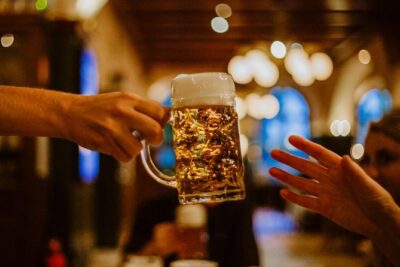
Bavarian Beer and Food Evening Tour in Munich
Read our review →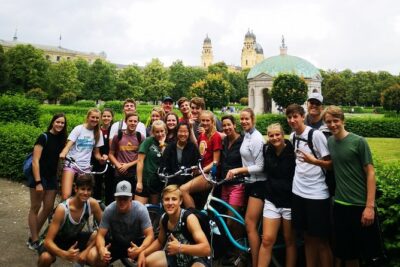
Classic Mike’s Bike Tour daily @ 11.30 incl Beer Garden & Surfers
Read our review →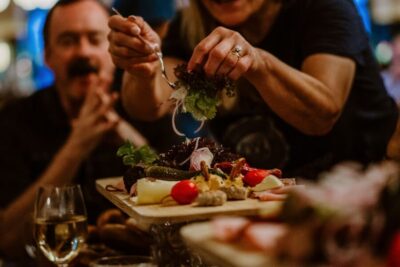
Beer and Food Tour with Dinner & Oktoberfest Museum
Read our review →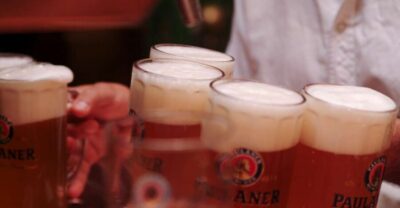
Munich’s Beer Halls and Breweries: 3-Hour Guided Tour
Read our review →