
REVIEW · KYOTO
Japanese Sake Breweries Tour in Fushimi Kyoto
Fushimi is Kyoto’s sake quarter, and this three-hour walk gives you more than a few drinks at a counter. You’ll see old brewery buildings, sample sake made with Fushimi water, and follow a canal once used to move goods between Kyoto and Osaka. The Gekkeikan museum and Kizakura’s Kappa Gallery give the outing real substance.
I like the way the tour connects sake with the neighborhood itself, rather than treating the drink as an isolated tasting. I also like the guides’ practical background. Bob, a former brewery worker, has led departures with clear explanations and easy conversation. The main drawback is pace: six stops in three hours means some visits are brief, and the boat ride costs an extra ¥1,500.
Key points to know before you book
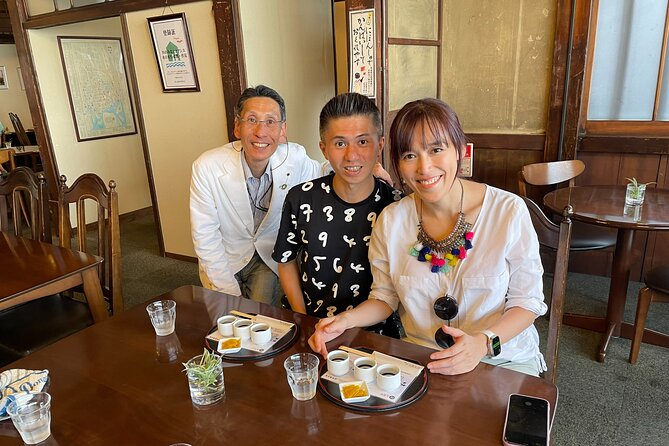
- Taste sake at two separate stops: The price includes a three-sake comparison at Gekkeikan and another three-sake set at ABURACYO.
- See Fushimi’s brewing past: The Gekkeikan Okura Sake Museum occupies a wooden brewery building about 200 years old.
- Sample more than sake: You receive one glass of Kyoto Beer from Kizakura and sake ice cream at Yume Hyakushu Cafe.
- Walk through a historic canal district: The Fushimi Jikkoku-bune boats recall the old cargo route between Fushimi and Osaka.
- Finish beside a large sake selection: ABURACYO carries more than 100 kinds, including ginjo and daiginjo from Fushimi breweries.
- Plan for summer heat: The afternoon route spends plenty of time outside, and August temperatures can exceed 35 degrees Celsius.
Why Fushimi is one of Kyoto’s best places to learn about sake
Fushimi is one of Japan’s major sake-producing areas, and the setting helps explain why. The district has long been linked to clean water, transport routes, and breweries that grew around both resources.
You begin at Chushojima Station at 1 p.m. The meeting point is near public transportation and easy to reach from Kyoto Station, according to the tour information. From there, you walk through a compact part of Fushimi, moving between museums, shops, a canal-side boat stop, and tasting venues.
That layout matters. You are not simply driven from one tasting room to another. The walk gives you a feel for Fushimi as a working district, with old buildings and shopping streets alongside sake businesses.
Your guide is central to the experience. Bob has been praised for his English, friendly manner, and former brewery work. Other departures have been led by Marin and by Nakai with his wife, so you should not assume Bob will lead your date. The useful point is that the guides are expected to explain both production and local customs, rather than just pour drinks.
The group is limited to 15 people. That is small enough for questions, though the experience will not feel like a private tour. If you want the most from it, ask about the differences between the sake served, not just which one tastes best.
More Brewery Tours in Japan
- Kyoto: Insider Sake Brewery Tour with Sake and Food Pairing
★ 5.0 · 704 reviews - Kyoto Sake Brewery & Tasting Walking Tour
★ 5.0 · 623 reviews - KOBE Sake Tasting Tour at Breweries (tasting fee included)
★ 5.0 · 154 reviews
Inside the Gekkeikan Okura Sake Museum
The first major stop is the Gekkeikan Okura Sake Museum, where you spend about 45 minutes. Admission is included, and this is the strongest stop for understanding how sake was made before modern industrial equipment took over.
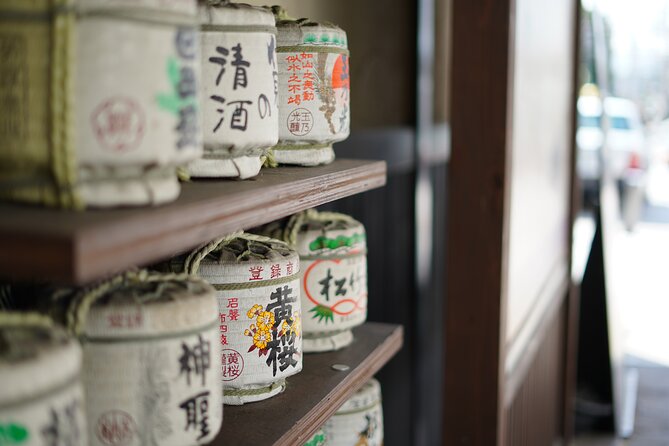
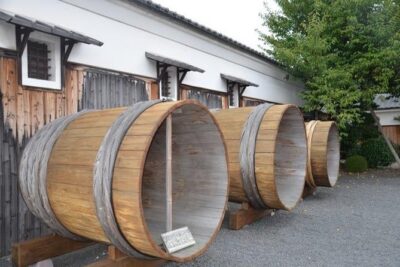
The museum occupies a wooden brewery building that is about 200 years old. The building itself does much of the teaching. You get a sense of the scale and working conditions of an older brewery simply by walking through the preserved structure.
In the courtyard, you can drink Fushimizu, the local water used in sake production. This is a useful detail, since water is not a side note in sake making. It helps explain why Fushimi developed into a brewing center and gives you a direct taste of one part of the process.
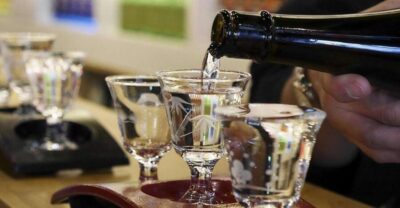
The tour also includes a three-sake tasting at Gekkeikan. This comparison is more useful than sampling one glass alone, because sake can vary in aroma, sweetness, dryness, and texture. Your guide can help put those differences into plain language.
Gekkeikan was established in 1637, giving the visit a long historical reach. Still, do not expect a full brewery production floor or a lengthy technical workshop. The museum visit lasts 45 minutes, and the larger focus is on heritage, tools, water, and tasting.
You also receive a commemorative Gekkeikan sake cup. It is a small inclusion, but a practical one if you like simple travel keepsakes instead of generic souvenirs.
The Jikkoku-bune canal and Fushimi’s old trade route
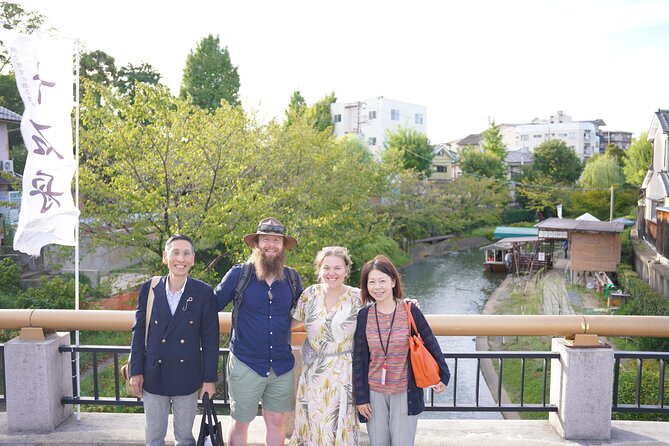
The walk then reaches the Fushimi Jikkoku-bune boarding point for about 15 minutes. The boats once served as a logistics link between Fushimi and Osaka from the Edo period through the end of the Meiji period.
The boat ride is not included. Boarding costs ¥1,500 per person, and you should treat it as an optional extra rather than part of the standard tour. The short stop lets you see the canal and hear why water transport mattered to the district.
This is one of the tour’s briefest sections. If you want to ride the boat, confirm with the guide how the extra time and payment will work on your date. If you skip it, you still see the historic boarding area, but you should not expect a full canal cruise as part of the $109.46 price.
The canal stop is especially helpful for understanding why Fushimi became more than a collection of breweries. Sake needed to move, and the waterway connected the production area with a major commercial route.
Sake ice cream at Fushimi Yume Hyakushu Cafe
Next comes Fushimi Yume Hyakushu Cafe, where you spend about 20 minutes. This shop and cafe occupies the former main store of Gekkeikan, built more than 100 years ago.
The stop includes sake ice cream. That gives the tour a lighter change of pace after the museum and tasting, while also showing how local businesses use sake as part of the wider food culture.
The shop carries Kyoto liquor and souvenirs. You may find something to take home here, but the short visit is not designed as a long shopping break. If you want to browse carefully, save time for the final shopping street.
Sake ice cream is also a useful reminder that sake in Fushimi is not only a formal tasting subject. It appears in cafes, gifts, food, and casual local experiences. You get a small sample of that broader role without needing to add another restaurant stop.
More Sake Brewery Tours in Japan:
- Hiroshima Saijo Sake Tasting Tour with visit to 7 Breweries
★ 5.0 · 104 reviews - Takayama: Authentic Sake Tasting at a Historic Brewery
★ 5.0 · 65 reviews - Private Sake Brewery Visit and Tasting Tour in Hida
★ 5.0 · 65 reviews - Kyoto: Sake Brewery and Tasting Tour in Fushimi
★ 4.8 · 55 reviews
Kizakura’s Kappa Gallery and Kyoto beer
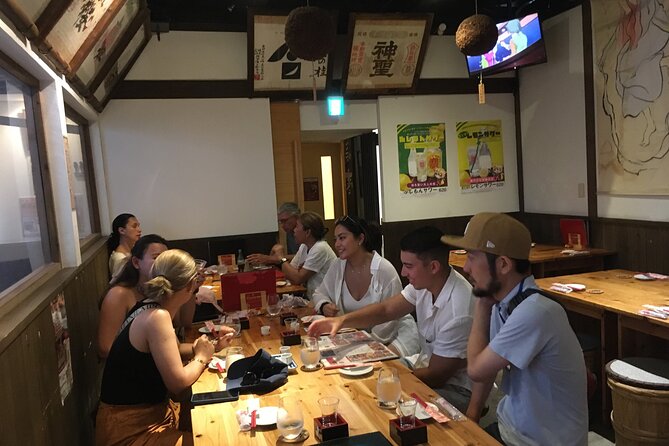
The Kappa Gallery at Kizakura takes about 30 minutes. Kizakura is known for its advertising featuring kappa characters, the playful water creatures familiar in Japanese folklore.
The stop also covers Kizakura’s role as the first Kyoto company to produce local beer. That makes this section valuable for anyone who wants a break from sake or who is curious about how a traditional brewing company has expanded its drinks.
One glass of Kyoto Beer is included. It is not a full beer tasting, but it gives you a clear contrast with the sake samples. The change in drink helps keep the afternoon from becoming a string of similar pours.
The gallery is also described as covering the sake production process. Your guide can help connect what you see here with the earlier museum visit. The comparison between Gekkeikan and Kizakura adds variety, though the itinerary does not promise a full working brewery tour at either location.
Fushimi Sake Village and the wider local drinking scene
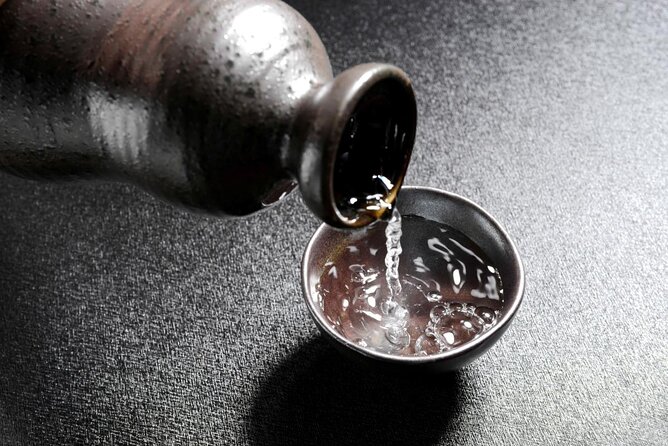
Fushimi Sake Village is a 15-minute stop. It opened in 2016 as a sake-focused venue where you can find local Fushimi sake and food from across Japan.
Seventeen Fushimi breweries support the venue. That number helps explain the appeal of the area: Fushimi is not represented by one producer alone. The district has a broad sake identity, with several breweries making different styles.
The stop is brief, and the admission is free. Eating and drinking here beyond the included items costs extra. You may want to return later if you find a bottle or dish that deserves more time than the schedule allows.
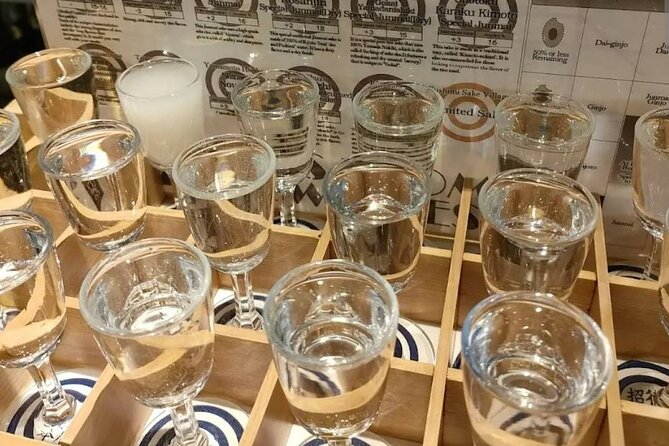
This part of the route also connects with the tour’s advertised chance to compare many kinds of sake. The overview refers to a set of 17 drinks associated with the local brewery scene, but the included tasting details specifically promise three sake samples at Gekkeikan and three at ABURACYO. Plan your budget around the six included sake samples, then treat any wider selection as an optional purchase.
ABURACYO and the final sake comparison
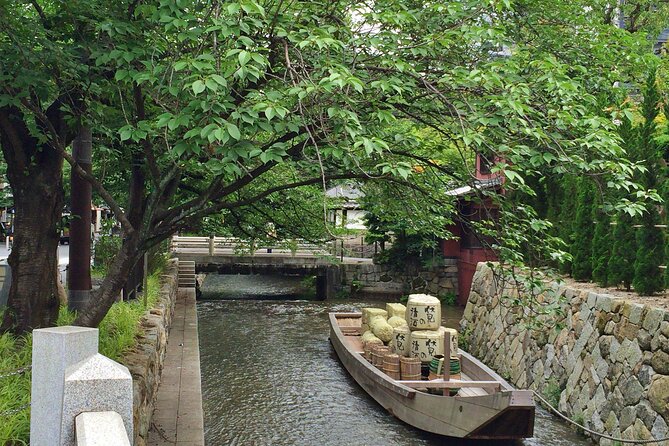
The last stop is ABURACYO in Fushimi Otesuji Shopping Street, with about 30 minutes set aside for the visit. This is where the tour finishes and where the included second sake tasting takes place.
ABURACYO offers more than 100 types of sake, with an emphasis on ginjo and daiginjo from all 18 Fushimi breweries. Ginjo and daiginjo are categories that reward comparison, since the aroma and polish can differ noticeably from more basic sake styles.
You receive a tasting set of three kinds of Japanese sake here. Combined with the three samples at Gekkeikan, this gives you two structured points of comparison rather than one large, unfocused pour.
The final location is practical. After the tour, you can keep shopping in Fushimi Otesuji or walk with the guide toward the nearest station. The route ends at 5 Chome-10 Hokicho, rather than returning you to Chushojima Station, so allow for that when planning dinner or your next Kyoto activity.
You should also remember the alcohol issue. The tour includes enough tasting to affect your ability to travel comfortably, and the supplied guidance specifically warns you not to drive after the experience. Use public transportation and take the afternoon at a steady pace.
What the $109.46 price really covers
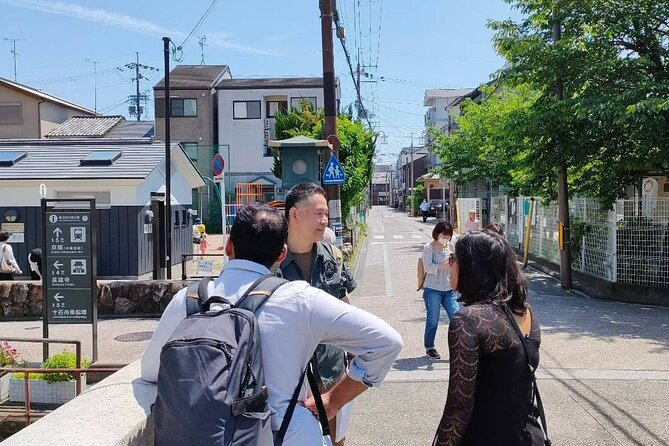
At $109.46 per person, this is not a cheap walk with one sample at the end. The price includes the Gekkeikan museum admission, two three-sake tasting sets, one Kyoto Beer, a commemorative cup, and sake ice cream.
You are also paying for a guide who explains the production process and connects the stops into one story. That matters in Fushimi, where you could visit individual museums and shops on your own but might miss the links between water, transport, brewing, and local commerce.
The value depends on how much you would otherwise buy. If you plan to visit the museum, sample six sakes, try Kyoto Beer, and purchase sake on your own, the included items make the fee more reasonable. If you mainly want one quiet tasting and little walking, the price may feel high.
Food and extra drinks are not included. The Jikkoku-bune boarding fee is also separate at ¥1,500. Keep some spending money available if you want to try additional bottles, dishes, or drinks at the stops.
The tour is usually booked well ahead, with an average booking time of 64 days. That suggests you should not leave it until the last minute if your Kyoto dates are fixed, especially if you want a particular afternoon.
Timing, weather, and how to prepare
The tour starts at 1 p.m. and lasts about three hours. That timing works well as an afternoon activity, but it also puts much of the walking in the warmest part of the day.
Kyoto can be especially hot in summer. In August, temperatures may pass 35 degrees Celsius. Carry water, use sun protection, and consider a parasol. Comfortable shoes matter because the route links several stops on foot.
The experience requires good weather. If poor weather cancels the tour, you can receive another date or a full refund. The tour also requires a minimum number of people, so a cancellation for that reason brings the same choice of another date or a refund.
Free cancellation is available up to 24 hours before the start time. Changes or cancellations inside that window are not accepted and are not refunded, so check your plans before the deadline.
Most people can participate, and the meeting point is near public transportation. The small group limit of 15 makes questions easier than on a large coach outing, but it does not remove the need to keep up with a walking schedule.
Who will get the most from this Fushimi walk
I would choose this experience if you want a clear introduction to sake and prefer learning through places, not just tasting notes. It suits first-time sake drinkers as well as people who already know a little but want help comparing styles.
It is also a good fit if you value local context. The old brewery, canal route, former Gekkeikan shop, shopping street, and brewery galleries show how sake fits into Fushimi’s daily identity.
Couples and small groups should find the format easy to manage, and the guide’s conversational role is useful if you have questions about Japanese customs. Bob’s brewery background is a strong advantage when he leads, though the guide is not guaranteed.
I would be more cautious if you dislike alcohol, hot weather, or walking between short stops. The itinerary has variety, but some visits last only 15 or 20 minutes. You should also avoid booking it immediately before a long evening reservation if you expect to sample generously.
Should you book the Japanese Sake Breweries Tour?
Book it if you want a well-rounded introduction to Fushimi, with two proper tasting points and enough history to make the drinks meaningful. The included museum, six listed sake samples, Kyoto Beer, sake ice cream, and commemorative cup give the $109.46 fee a fair level of value.
The best reason to choose it is the combination of sake education and neighborhood walking. You see where the drink came from, taste several types, and finish in a shopping district where you can continue exploring.
Skip it if you want a slow, private tasting, a full brewery production tour, or a boat ride included in the price. For most visitors with an interest in Japanese food and drink, though, this is a useful way to spend an afternoon in Fushimi. Bring water, wear comfortable shoes, and decide in advance how much extra you want to spend on the boat and additional sake.
FAQ
How long does the Fushimi sake tour last?
The experience lasts about three hours and begins at 1 p.m.
Where does the tour begin?
It begins at Chushojima Station in Fushimi Ward, Kyoto.
Where does the tour end?
It ends at Fushimi Otesuji Shopping Street. You can shop there afterward, or the guide can direct you to the nearest station.
Is the Jikkoku-bune boat ride included?
No. The boarding fee is separate and costs ¥1,500 per person.
What drinks and tastings are included?
The price includes a three-sake tasting at Gekkeikan, a three-sake tasting at ABURACYO, and one glass of Kyoto Beer at Kizakura.
Is food included?
Sake ice cream at Fushimi Yume Hyakushu Cafe is included. Other food and drinks at breweries, cafes, and restaurants cost extra.
Can I cancel for a full refund?
Yes. You can cancel at least 24 hours before the local start time for a full refund. Cancellations or changes made less than 24 hours before the start are not refunded.
Just added around Japan
- Private Sake Tasting at 300 Years Old Sake Brewery in Tokyo★ 5.0 · 3 reviews
- Takayama: Authentic Sake Tasting at a Historic Brewery★ 5.0 · 65 reviews
- Rural Brewery Town Walk: Half-Day Private Tour Near Kyoto★ 5.0 · 7 reviews
- 1-Day Sapporo Historical Village and Sapporo Beer Museum Tour★ 5.0 · 3 reviews
- Sapporo Tour in the Port City of Otaru and Local beer brewery★ 5.0 · 3 reviews
- Cultural Sake Brewery Private Tour & Unlimited Tasting Near Tokyo★ 5.0 · 4 reviews
- Unique Brewery Tour and One-of-a-Kind Sake Tasting Near Tokyo★ 5.0 · 17 reviews
- Sake “Omakase” in Osaka : Guided Tasting by a Active Sake brewer★ 5.0 · 11 reviews
Kyoto Beer Tours, compared.

Insider Sake Brewery Tour with Sake and Food Pairing
Read our review →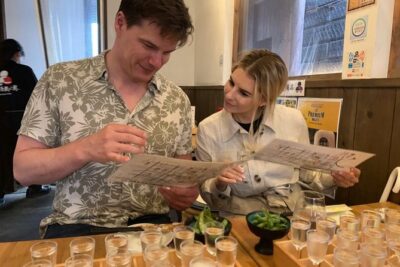
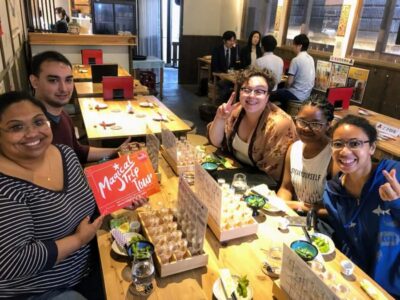
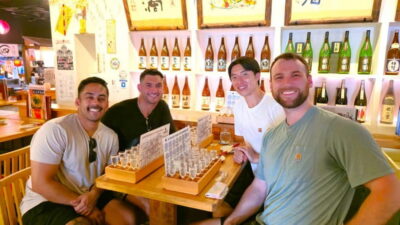
Fushimi Sake Brewery Tour – 18 Tastings in 2.5 Hours
Read our review →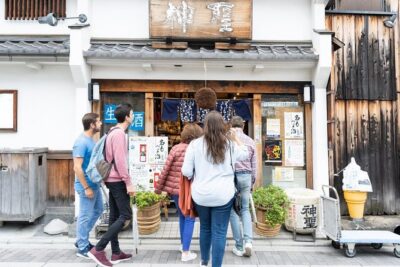
KYOTO Sake Tasting Tour at Local Breweries(tasting fee included)
Read our review →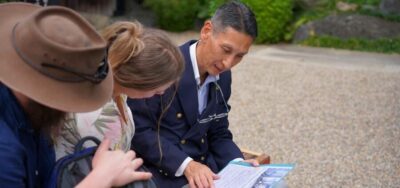
Browse the lists this tour appears in