
REVIEW · KOBE
KOBE Sake Tasting Tour at Breweries (tasting fee included)
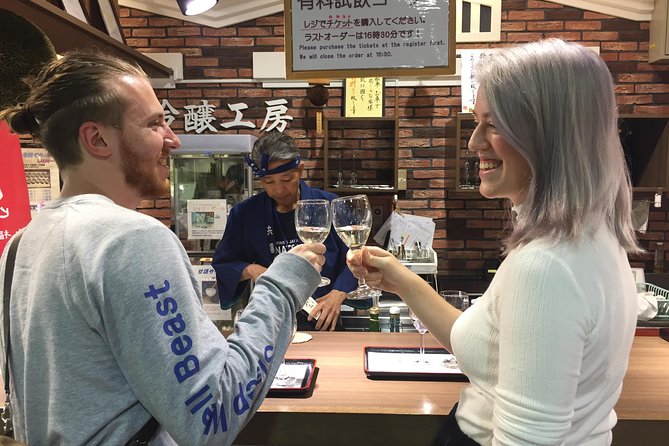
Kobe’s Nada district is one of Japan’s best places to learn how sake is made, and this afternoon tour gives you more than a quick tasting counter. You walk between historic breweries, hear why the area’s water matters, and try several styles with an English-speaking guide such as Hiro, Romi, Aki, or Aya. I especially like the small groups of up to 10 and the cooling breaks, which matter on Kobe’s hot, sunny days.
I also like the mix of big-name breweries, traditional brewing displays, and a small tofu shop. The tastings are worth more than ¥2,000, and guides often help you compare flavors rather than simply hand you a glass. The main drawback is that the walk can feel warm and thirsty, and the exact brewery lineup may change with opening schedules.
Key points
- Nada Gogo setting: Walk through Kobe’s famous sake-producing district, near the Rokko Mountains and the Hanshin railway.
- Several sake styles: Taste premium, seasonal, and unfiltered sake, with explanations suited to beginners and experienced drinkers.
- Historic brewery stops: Visit Kobe Shushinkan, Hakutsuru’s museum, and Kiku-Masamune when the planned schedule is operating.
- A local food pause: Stop at Okage Tofuan, a small tofu maker surrounded by sake breweries.
- Friendly English guidance: Guides including Hiro, Romi, Fumi, Aki, Aya, and Hiroman have led this experience.
- Useful practical touches: Water, fans, umbrellas, and cooling breaks may be provided in hot weather.
Why Kobe’s Nada district makes a good sake lesson
Sake can seem mysterious if you only encounter it as a small warm cup beside a meal. In Nada, the setting helps explain it. This part of Kobe is known as Nada Gogo, a group of sake-producing areas with a long brewing tradition and access to good water from the Rokko Mountains.
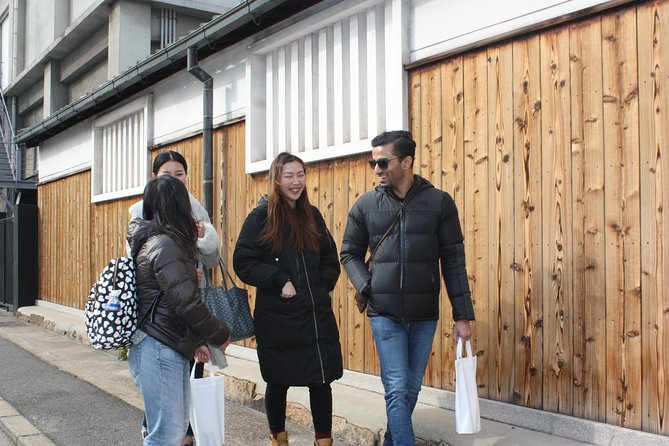
You do not simply sit in one bar and sample a few bottles. The route takes you through streets lined with breweries, museums, shops, and older production buildings. That movement gives the afternoon a sense of place. You see that sake is part of Kobe’s working culture, not just a drink on a restaurant menu.
The tour begins at 1 p.m. at Ishiyagawa Station and lasts about three and a half hours. It ends at Hanshin Uozaki Station, so you finish in a useful spot for continuing around Kobe or returning by train. You need to arrange your own transportation to Ishiyagawa, but the meeting point is close to public transportation.
More Beer Tastings in Japan
- Kyoto Sake Brewery & Tasting Walking Tour
★ 5.0 · 623 reviews - Hiroshima Saijo Sake Tasting Tour with visit to 7 Breweries
★ 5.0 · 104 reviews - Takayama: Authentic Sake Tasting at a Historic Brewery
★ 5.0 · 65 reviews
What the ¥109 price buys you
At about $109.01 per person, this is not the cheapest way to taste sake in Japan. It is also more than a simple self-guided museum visit. The price includes the sake tasting fee, listed at ¥2,000 in value, taxes, handling charges, and a professional guide.
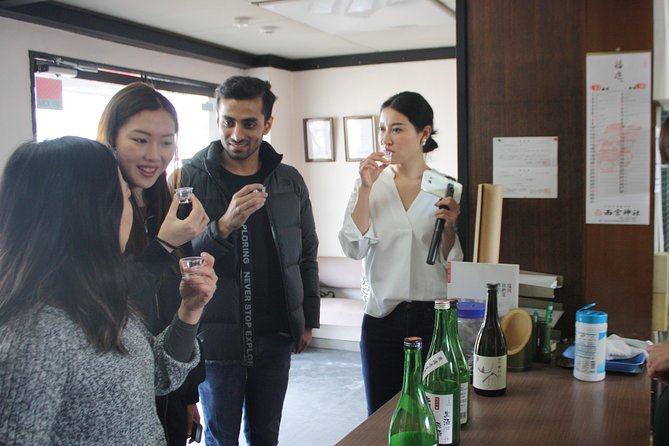
The real value is the interpretation. A bottle shop can show you labels, but it cannot always explain how polishing, yeast, temperature, and brewing methods affect the drink in your glass. A good guide can also help you notice what you prefer. Several guides are praised for explaining different sake types in clear English and for helping people find a style they actually enjoy.
You may also have time to shop at the breweries. That matters if you want to take home a bottle or small souvenir, though bring room in your bag. One practical detail from the experience is that sake cups have sometimes been included as souvenirs at early stops, but you should not treat that as guaranteed.
For a small group with tastings at several locations, museum access, and a local food stop, I consider the price fair for visitors who want a guided introduction rather than a quick drink. If you already know sake well and mainly want rare bottles, a specialist tasting may suit you better.
Kobe Shushinkan and the Fukuju tradition
The first major stop is Kobe Shushinkan Brewery, a producer that has used the Fukuju name since 1751. The brewery focuses on handcrafted production and places importance on its ingredients and brewers’ skill.
This is a strong opening stop because it gives you a working example of the care behind sake production. Your guide can place the tasting in context before you visit the larger museums. You may taste several expressions, including styles that show how much sake can vary in aroma, texture, sweetness, and finish.
The stop is scheduled for about 50 minutes, including admission. That is enough time to listen, taste, and look around without rushing through the first lesson. Guides such as Hiro have used brochures and pictures to make the brewing process easier to follow, a useful touch if this is your first sake tour.
One thing to remember: brewery access and tasting selections can change. The experience is not a fixed factory-floor tour in which every production room is guaranteed to be open. Think of it as a guided visit to a historic sake producer, with tasting and interpretation at the center.
The ten-minute tofu stop at Okage Tofuan
The brief stop at Okage Tofuan adds a welcome change of pace. This shop has made fresh tofu each morning for more than 60 years, using the same basic principle that supports good sake: pure water matters.
You will not spend long here. The scheduled visit is about ten minutes, so it is better understood as a small local food encounter than a full meal. The stop helps break up the tastings and shows you another product shaped by the water and food culture of the district.
Some guides have added small snacks such as rice treats, nuts, or dried fish during the walk. Those pairings can make the sake easier to understand, especially when you compare a warm pour with a salty bite. Exact snacks are not promised, so think of them as a possible bonus rather than part of the formal inclusions.
More Brewery Tours in Japan
- Kyoto: Insider Sake Brewery Tour with Sake and Food Pairing
★ 5.0 · 704 reviews - Private Sake Brewery Visit and Tasting Tour in Hida
★ 5.0 · 65 reviews - Kyoto: Sake Brewery and Tasting Tour in Fushimi
★ 4.8 · 55 reviews - Kobe: Guided Sake Breweries Tour with Tastings
★ 5.0 · 55 reviews
Hakutsuru’s old brewhouse and sake museum
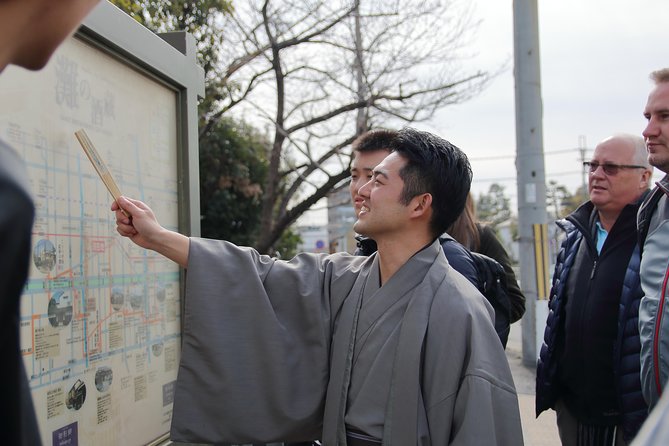
The second major brewery visit is Hakutsuru Sake Brewery Museum, home to the old brewhouse preserved in its original form. Hakutsuru is described as Japan’s largest brewery, giving you a useful contrast with the more handcrafted character of Kobe Shushinkan.
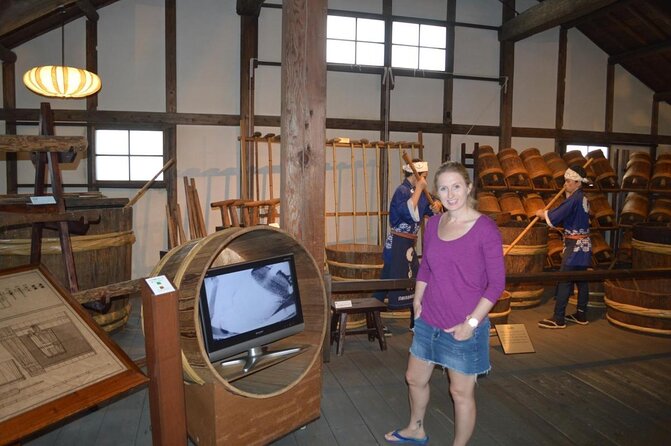
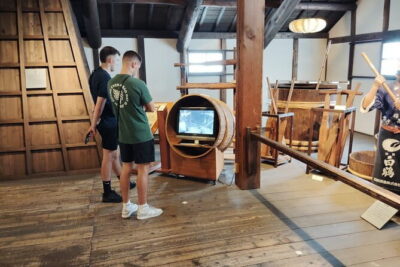
The museum focuses on how sake was made, with displays that help turn technical steps into something you can picture. This is where the tour becomes especially helpful for people who have wondered how rice becomes sake but never had the process explained in an orderly way.
Allow about 50 minutes here. You can expect a larger, more formal setting than at a small producer, along with another tasting opportunity and time to browse. The contrast between companies is part of the point. You are not sampling one house style and assuming it represents all sake.
Large brewery museums can feel less personal than small producers, so the guide’s role matters. Hiro, Romi, Aki, and the other English-speaking guides have been praised for answering questions and keeping the explanations lively. If you want to understand the difference between brewery scale and brewing method, this stop earns its place.
Kiku-Masamune and the traditional kimoto method
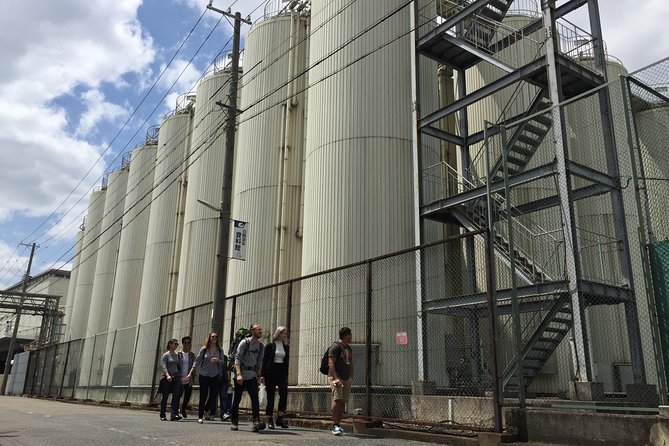
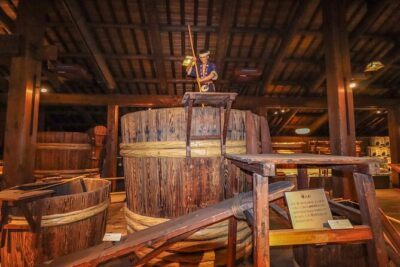
The planned route also includes Kiku-Masamune Shuzo Kinenkan, a museum known for preserving the traditional kimoto method of sake making. The museum displays wooden brewing tools and explains older production techniques.
The kimoto method is a useful subject for a tour because it shows that sake is not made by one universal formula. Traditional tools and methods reveal how much physical work once went into brewing, and they give you a better sense of the craft behind the modern bottle.
This stop is scheduled for about 30 minutes. That shorter visit keeps the afternoon moving, though it means you should not expect a long guided seminar at every museum. You get a focused look at traditional equipment, followed by the chance to connect the method with what you have tasted.
The exact route can change depending on which breweries are open. Some afternoons include three breweries, while others have included four. That flexibility is practical, but it also means you should book this for the overall Nada experience rather than for one single guaranteed tasting label.
How the walking pace feels
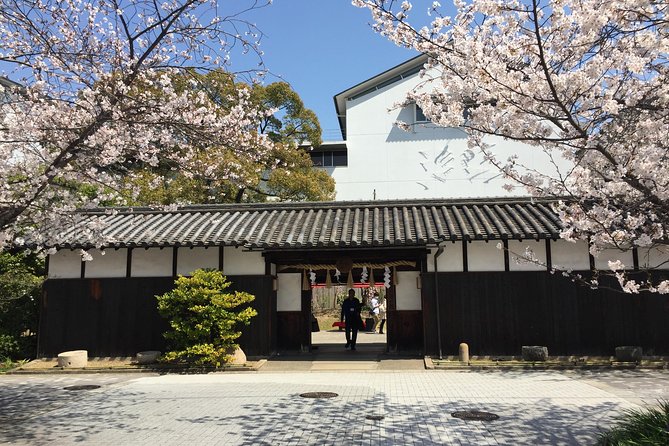
The route is a moderate walking tour through the streets of the Nada area. It is not described as a hike, but you should wear comfortable walking shoes. Bring water, especially from late spring through summer, and leave some space in your bag for purchases.
The guides have handled hot weather thoughtfully. Past departures have included frozen water, fans, and umbrellas, and the tour includes cooling breaks between tastings. Those details can make a real difference, but weather support can vary, so do not arrive unprepared.
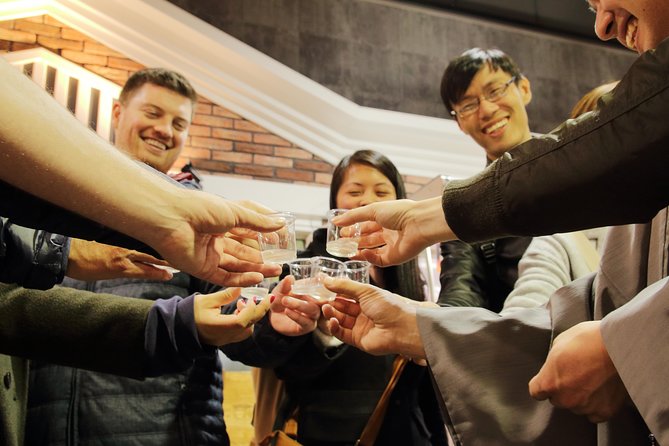
The social side is part of the appeal. Groups have included couples, friends, and families, with no more than 10 people. Two guides may lead a group, especially when several people book together. The pace is relaxed rather than hurried, and guides such as Hiro and Fumi have been noted for speaking with each person instead of lecturing to the whole group.
Sake tastings can also make a group more chatty as the afternoon goes on. If you want a quiet private lesson, a public small-group tour may not be ideal. If you enjoy comparing impressions with other people, the format works well.
What the guides add
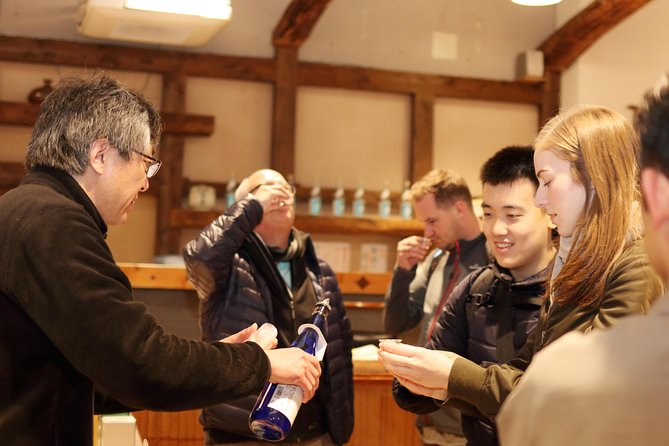
The guide can make or break a tasting tour, and this experience depends heavily on that personal element. Hiro is frequently praised for her friendly style, clear explanations, and practical care in hot weather. Romi has been described as professional and warm, while Aki has led a route that combined famous producers, local breweries, and museums.
Aya and Hiroman have also guided the tour, and Fumi has joined Hiro on some departures. The important point is not one promised individual guide. Names and assignments can change, but the experience is built around English-speaking hosts who explain the brewing process, answer questions, and keep the walk moving.
I like the fact that the guides do more than recite facts. They may explain regional traditions, suggest food pairings, show pictures, or help you compare which sake suits your taste. You can ask about dry and sweet styles, warm and chilled pours, or which bottle might travel well in your luggage.
The 4.9 rating from 154 reviews and 98 percent recommendation figure reflect how strongly the guide-led part has been received. Still, these numbers should not make you expect a private tour. You are joining a group, and the exact chemistry depends on the people booked that day.
Who should book this sake walk
This tour suits you if you are curious about sake but do not know where to start. The tasting progression, museum displays, and plain English explanations give you a useful foundation without requiring prior knowledge.
It also works for sake drinkers who want to compare several producers in one afternoon. The chance to taste unfiltered or seasonal varieties, visit different brewery settings, and shop at the source is more rewarding than ordering one familiar brand at dinner.
I would especially consider it if you are staying in Osaka and want a focused Kobe outing. The tour is short enough to fit into an afternoon, though you must allow time to reach Ishiyagawa before 1 p.m. It ends at Uozaki Station, making the return journey straightforward by Hanshin train.
This is not recommended for children aged 19 and under. Service animals are allowed, most people can participate, and you should tell the operator in advance if you plan to bring a stroller. If you need to spit during tastings for professional evaluation, contact the operator before booking.
A few practical cautions before booking
The tastings are included, but transportation to and from the attraction is not. Plan your route carefully and arrive at Ishiyagawa Station with time to find the meeting point at 2 Chome-28 Mikagetsukamachi.
The tour requires good weather and a minimum number of participants. If poor weather or low numbers cancel the departure, you are offered another date, another experience, or a full refund. You can cancel for a full refund up to 24 hours before the start time, but late cancellations and changes are not accepted.
The best preparation is simple: eat something beforehand, wear comfortable shoes, carry water, and bring a bag with room for bottles or souvenirs. Sake adds up over several stops, so enjoy the tasting slowly. The walking breaks are useful, not wasted time.
Should you book the Nada sake tour?
Book it if you want sake explained in its home district, with several tastings and a guide who can connect the drink to local water, food, tools, and brewing traditions. The combination of Kobe Shushinkan, Hakutsuru, Kiku-Masamune, and the tofu stop gives the afternoon more range than a single brewery visit.
Skip it if you want a private itinerary, a guaranteed list of exact breweries, or a highly technical professional tasting. The route can change, the group is shared, and the walk may be hot.
For most visitors, I see this as a worthwhile Kobe afternoon, especially for beginners, couples, and small groups of friends. You get a clear introduction to Nada sake, several chances to find a favorite style, and a look at a part of Kobe that many city visitors miss.
FAQ
How long does the sake tasting tour last?
The experience lasts approximately 3 hours and 30 minutes. It begins at 1 p.m.
Where does the tour start and finish?
The meeting point is Ishiyagawa Station in Kobe’s Higashinada Ward. The tour ends at Hanshin Uozaki Station on the Hanshin line.
Are the sake tasting fees included?
Yes. Sake tasting and related tasting costs worth ¥2,000 are included, along with taxes, fees, handling charges, and a professional guide.
Which breweries are included?
The planned stops include Kobe Shushinkan Brewery, Hakutsuru Sake Brewery Museum, and Kiku-Masamune Shuzo Kinenkan, along with Okage Tofuan. The brewery lineup can change depending on opening schedules.
How many people can join the tour?
The maximum group size is 10 people. Some departures may include two guides.
What is the cancellation policy?
You can cancel up to 24 hours before the start time for a full refund. Late cancellations and changes made within 24 hours are not accepted. If bad weather or insufficient numbers cancel the tour, you are offered another date, another experience, or a full refund.
More Sake Brewery Tours in Japan
- Takayama: Authentic Sake Tasting at a Historic Brewery
★ 4.8 · 50 reviews - Sake Brewery and Japanese Life Experience Tour in Kobe
★ 5.0 · 39 reviews - Kyoto: Fushimi Sake Brewery Tour – 18 Tastings in 2.5 Hours
★ 4.7 · 36 reviews - Hiroshima: Saijo Sake Tasting at 7 Breweries Guided Tour
★ 4.8 · 29 reviews
Just added around Japan
- Private Sake Tasting at 300 Years Old Sake Brewery in Tokyo★ 5.0 · 3 reviews
- Takayama: Authentic Sake Tasting at a Historic Brewery★ 5.0 · 65 reviews
- Rural Brewery Town Walk: Half-Day Private Tour Near Kyoto★ 5.0 · 7 reviews
- 1-Day Sapporo Historical Village and Sapporo Beer Museum Tour★ 5.0 · 3 reviews
- Sapporo Tour in the Port City of Otaru and Local beer brewery★ 5.0 · 3 reviews
- Cultural Sake Brewery Private Tour & Unlimited Tasting Near Tokyo★ 5.0 · 4 reviews
- Unique Brewery Tour and One-of-a-Kind Sake Tasting Near Tokyo★ 5.0 · 17 reviews
- Sake “Omakase” in Osaka : Guided Tasting by a Active Sake brewer★ 5.0 · 11 reviews
Kobe Beer Tours, compared.
Sake Brewery and Japanese Life Experience Tour in Kobe
Read our review →
Exploring Nada Sake Breweries Kobe Private Tour with Government-Licensed Guide
Read our review →
Sake Brewery Tour with Tasting and Kobe Beef Bites
Read our review →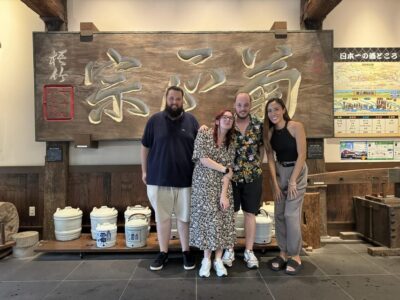
3-Hour Private Sake Tour in Japan’s Top Sake Area
Read our review →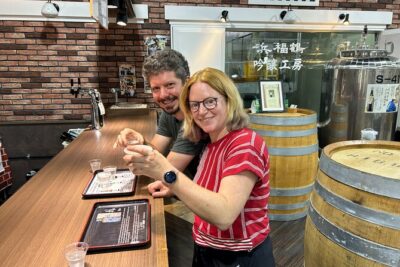
KOBE Sake brewery PRIVATE walking tour with Local guide
Read our review →Browse the lists this tour appears in