
REVIEW · KYOTO
Kyoto: Sake Brewery and Tasting Tour in Fushimi
Fushimi is Kyoto’s sake country, and this three-hour walk gives you both the backstory and the fun part: 18 Kyoto-made sakes at the end. You’ll visit the Gekkeikan Okura Sake Museum, follow quiet waterways and old brewery streets, and stop at places tied to Fushimi’s brewing and Edo-period past.
I like the small group size, capped at nine, because it gives you room to ask questions. I also like the mix of museum exhibits, shrine scenery, old inns, and tasting time. The main drawback is pace and weather: much of the route is outdoors, and summer heat can make a sunny walk tiring. The museum may also feel a little dry if you are mainly there to drink sake.
Key points at a glance
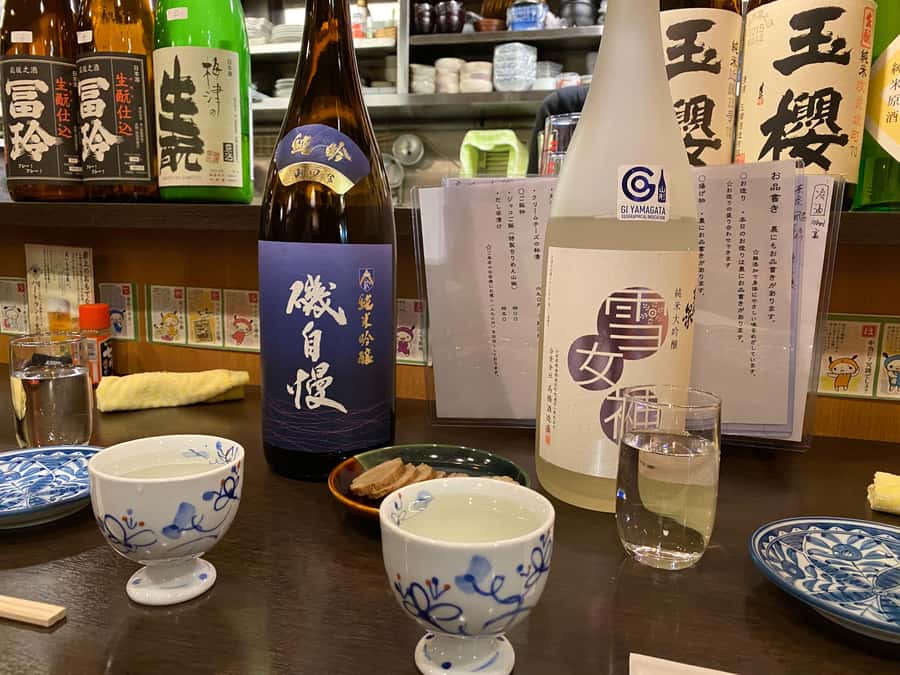
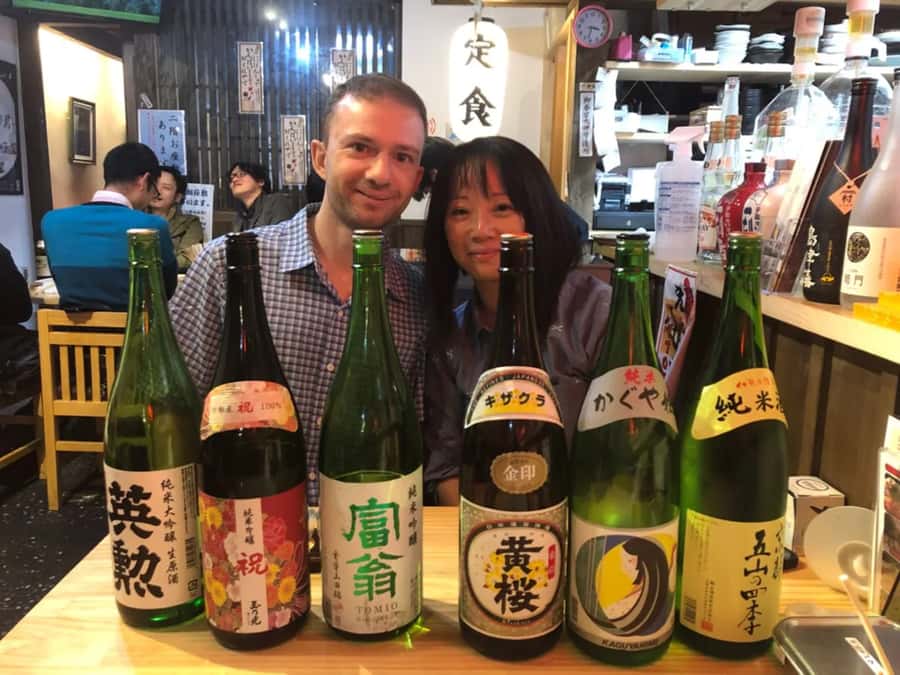
- Taste 18 local sakes: The final tasting offers a broad look at Kyoto-made sake, though some people may prefer fewer bottles with more attention to each one.
- See Fushimi beyond the brewery: The route includes Fushimi Jukkokubune, Teradaya Inn, Kizakura Kappa Country, and Gokonomiya Shrine.
- Learn why Fushimi matters: The district is known for its water and is one of Japan’s three major sake-producing areas.
- Visit a working brewery district: The Gekkeikan Okura Sake Museum explains tools, ingredients, and brewing methods inside a renovated brewery.
- Travel with a local English-speaking guide: Guides including Matt, Kumi, Rika, Yuki, Fuji, Nami, Shinya, and Nobu have led this experience.
- Plan for an outdoor walk: Bring water and a hat in summer, and arrive on time at Chushojima Station’s North Gate.
Why Fushimi is the right place to learn about sake
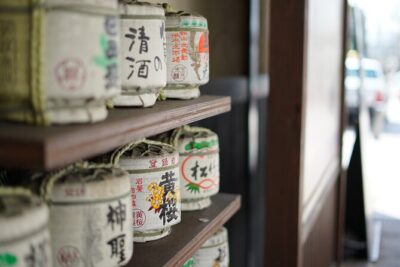
Fushimi is not just a museum display with a few bottles lined up for tourists. It is one of Kyoto’s major sake districts, shaped by the quality of its water and by centuries of brewing. That setting gives the tour more meaning. You are learning about sake in the streets where breweries, liquor shops, canals, and old buildings still form part of daily life.
The district is also one of Japan’s three major sake-producing areas. The tour explains how soft, clean water affects the drink, then connects that fact to the methods used by local breweries. You do not need to know the difference between junmai, ginjo, or other sake styles before you arrive. The guide introduces the basics as you go.
I find this kind of setting more useful than a tasting room alone. You see how sake fits into Fushimi’s identity, then taste different examples while the information is still fresh. The experience works especially well for first-time sake drinkers, but the range of bottles gives experienced drinkers something to compare.
More Beer Tastings in Japan
- Kyoto Sake Brewery & Tasting Walking Tour
★ 5.0 · 623 reviews - KOBE Sake Tasting Tour at Breweries (tasting fee included)
★ 5.0 · 154 reviews - Hiroshima Saijo Sake Tasting Tour with visit to 7 Breweries
★ 5.0 · 104 reviews
Starting at Chushojima Station and the Fushimi canals
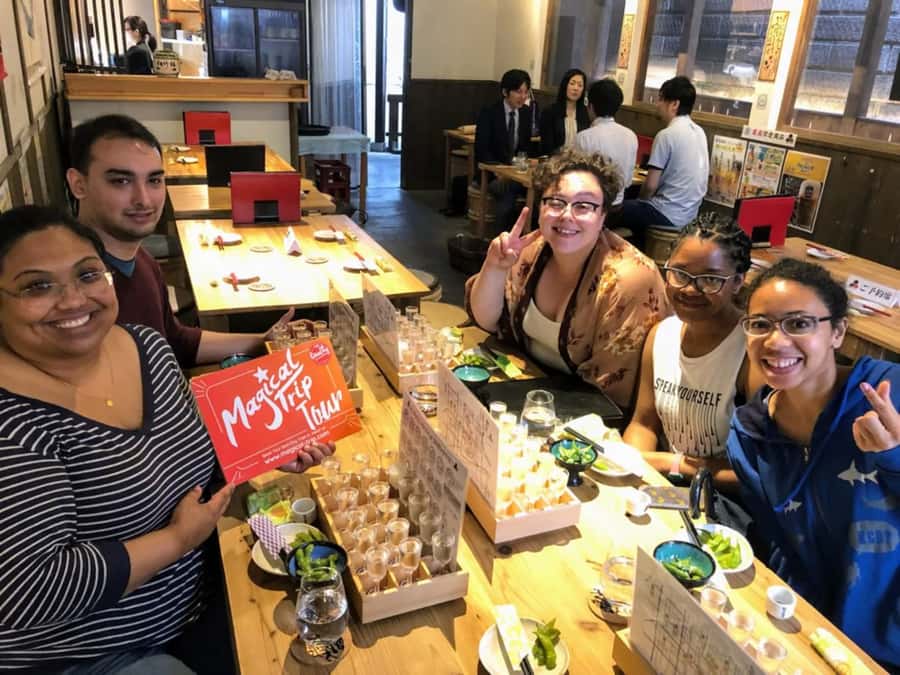
Meet your guide at the North Gate of Chushojima Station. Look for the board marked MagicalTrip, and do not cut this close. The tour starts on time, and late arrivals who miss the group cannot join, reschedule, or receive a refund.
The first stop is Fushimi Jukkokubune, a short visit connected with the district’s waterways. Fushimi’s canals and riverside paths give the walk a slower feel than central Kyoto’s crowded sightseeing streets. The water is also part of the story, since Fushimi’s brewing tradition depends heavily on its local supply.
This opening section is brief, but it helps you get your bearings. You are not being rushed through a long list of attractions yet. Instead, the guide starts placing the breweries within the physical setting of the district.
Inside the Gekkeikan Okura Sake Museum
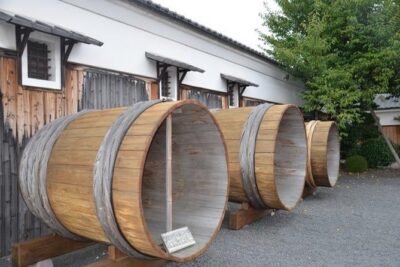
The Gekkeikan Okura Sake Museum is the main educational stop and lasts about an hour. It occupies a renovated brewery and uses sake-making tools and displays to explain how the drink is produced.
Expect a look at the traditional process, from the basic ingredients through fermentation and storage. The tour also covers the development of sake and the role Fushimi played in that story. This is where the guide’s explanations matter most, especially if you have never visited a Japanese brewery.
The museum is not a flashy attraction. One part of the experience can feel rather dry, particularly if your main interest is tasting. Still, it gives the later sampling some structure. Instead of treating each glass as an isolated drink, you can start thinking about the choices made during brewing and how they affect aroma and flavor.
Guides such as Kumi, Rika, Yuki, and Shinya have been singled out for explaining both the brewing process and local history in a clear, friendly way. Your guide will vary, but the small group format gives you a good chance to ask about anything that catches your attention.
Short stops at Fushimi Yume Hyakushu and Kizakura Kappa Country
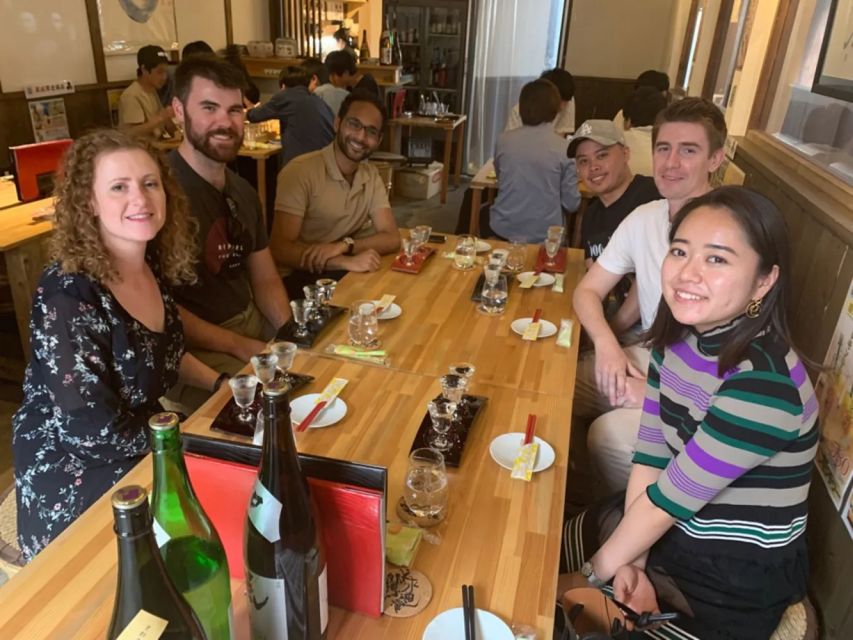
The route continues to Fushimi Yume Hyakushu Cafe for about ten minutes. This is a quick stop rather than a long meal or café visit, so keep your expectations modest. It forms part of the tour’s look at the local sake culture and gives the route a change of pace after the museum.
Next comes Kizakura Kappa Country, with around 20 minutes to look around. Here, you learn about the kappa, a mythical Japanese creature associated with water. It is an unusual detail, but a useful one: the stop links Japanese folklore with the waterways that helped make Fushimi a brewing center.
These shorter visits keep the tour from becoming a straight museum-to-bar march. They also give your guide opportunities to explain parts of Japanese culture that may not appear in a standard sake lesson. If you prefer a tightly focused tasting, these stops may feel like detours. If you like local stories and odd corners of a neighborhood, they add character.
More Brewery Tours in Japan
- Kyoto: Insider Sake Brewery Tour with Sake and Food Pairing
★ 5.0 · 704 reviews - Takayama: Authentic Sake Tasting at a Historic Brewery
★ 5.0 · 65 reviews - Private Sake Brewery Visit and Tasting Tour in Hida
★ 5.0 · 65 reviews - Kobe: Guided Sake Breweries Tour with Tastings
★ 5.0 · 55 reviews
Fushimi Saka Gura Kouji and the 18-sake tasting
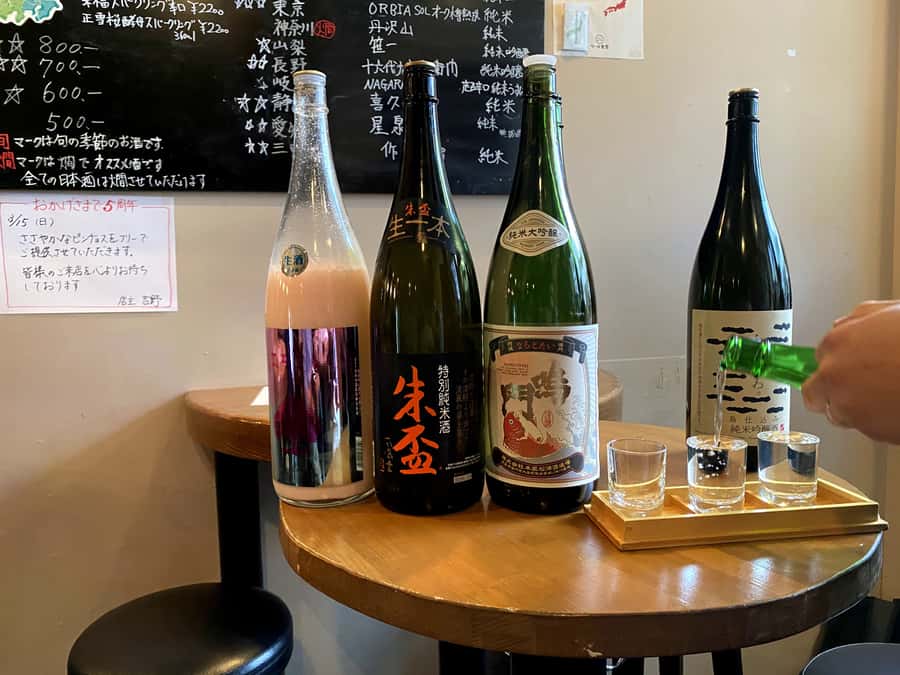
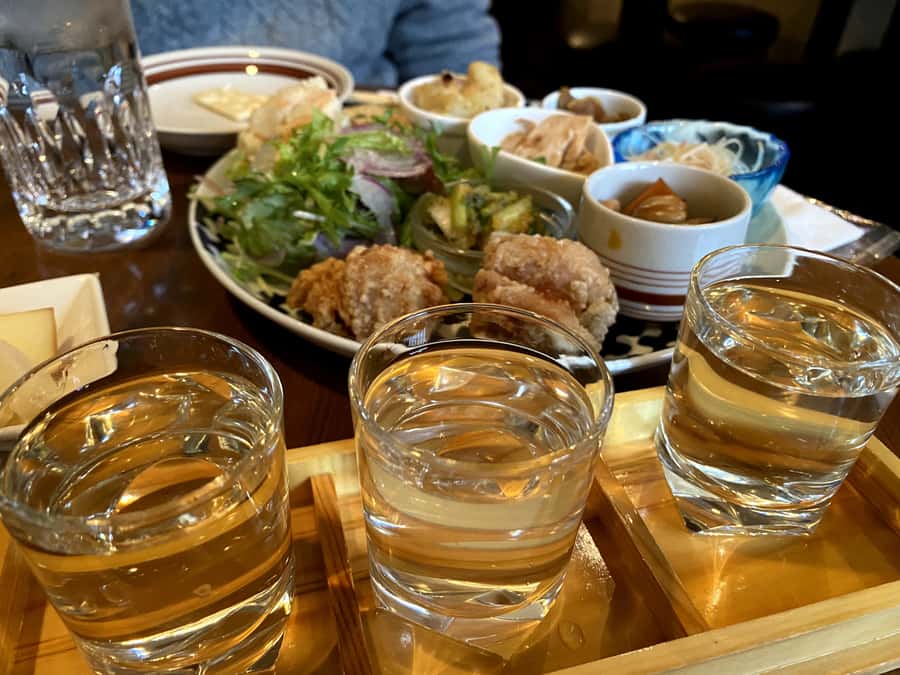
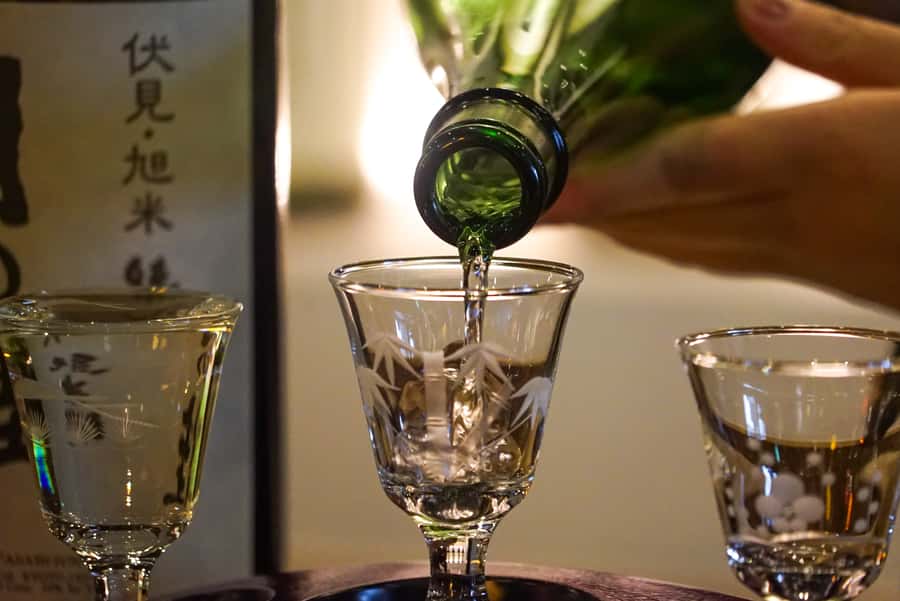
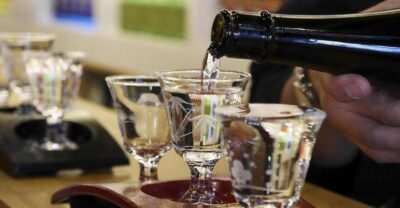
The tasting at Fushimi Saka Gura Kouji is the tour’s main reward. You sample 18 types of sake made in Kyoto and compare their aromas and flavors in one sitting. That is a substantial number, so take your time and pay attention to the differences rather than trying to race through the glasses.
A tasting this broad is useful for finding your preferences. You may discover that you like a lighter, cleaner style, or that a fuller flavor works better for you. The guide can help you make sense of what you are drinking and answer questions as you go.
The tradeoff is depth. Eighteen samples provide variety, but they do not allow much time for a detailed explanation of every bottle. Some people would rather taste fewer selections of higher quality and spend longer with each one. This tour takes the opposite approach: it gives you a wide survey of Kyoto sake.
The amount served has been described as generous, so keep that in mind when planning the rest of your day. Eat beforehand or use any provided snacks sensibly. The tasting is intended as part of a guided experience, not as a quick flight of tiny sips.
The final stop also gives you time to talk with the guide and other people in the group. Guides such as Yuki and Fuji have been praised for helping people understand the tasting and for answering broader questions about Japanese culture. That extra conversation is useful if you want advice about sake to look for later in Japan.
Gokonomiya Shrine and Fushimi’s older stories
The walk finishes with a visit to Gokonomiya Shrine, including about 15 minutes at the main hall. This adds a cultural stop after the brewery and tasting portions, and it helps show that Fushimi is more than a food-and-drink district.
The route also touches on Teradaya Inn and the final years of the Edo period’s feudal government. You will hear about the area’s connection to that unsettled period, along with local stories involving liquor shops and the historic inn.
The shrine visit is short, so do not expect a full temple tour or a long religious-history lesson. Its value is in the contrast. After learning about fermentation and tasting sake, you pause at a place tied to Japanese tradition and local community life.
You then return to Chushojima Station. The complete experience lasts three hours, and the stops are arranged so that the museum and tasting receive the most time.
What $96 buys you
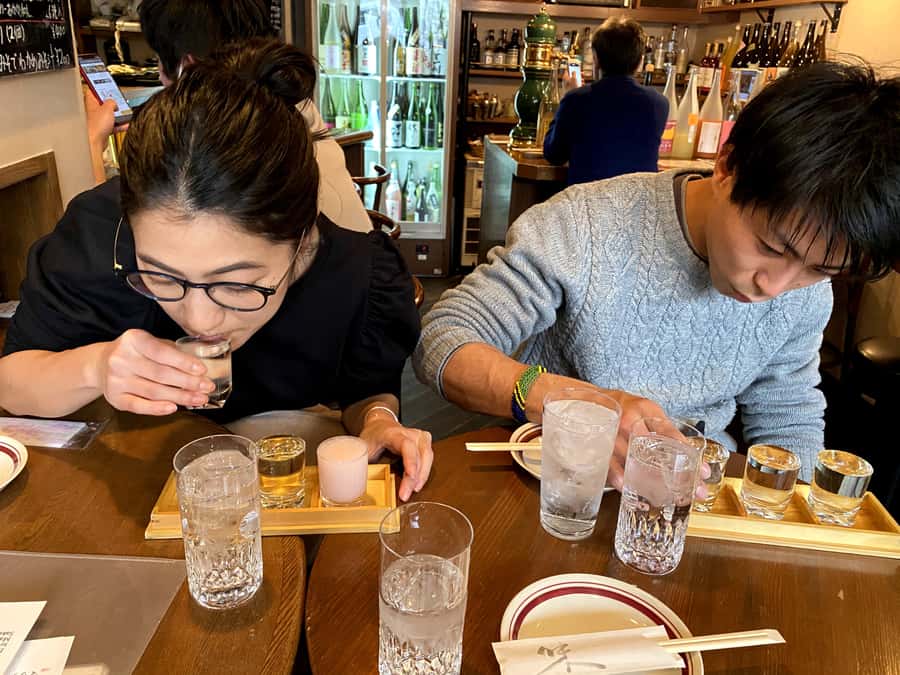
The price is $96 per person. That is not a bargain-basement walking tour, but the package includes several elements that would cost money separately: entry to the sake museum and brewery, an English-speaking local guide, 18 tastings, and photos taken during the tour.
The biggest value is the combination of access and explanation. You could walk through parts of Fushimi on your own, visit a museum, and buy sake independently. You would not necessarily get the same help understanding what you are tasting, nor would you have someone connect the water, brewing methods, folklore, and local history.
I would consider the price reasonable if you enjoy sake or want an organized introduction without spending a full day on the subject. It is less compelling if you are not interested in alcohol, if you dislike group walking tours, or if you expect a private brewery visit with long one-on-one attention.
The group is limited to nine people, which improves the value. A guide can usually respond to questions more easily in a group this size than in a large bus tour. The included photos are a pleasant extra, but I would make the museum access, guidance, and tasting the main reasons to book.
Weather, walking, and practical limits
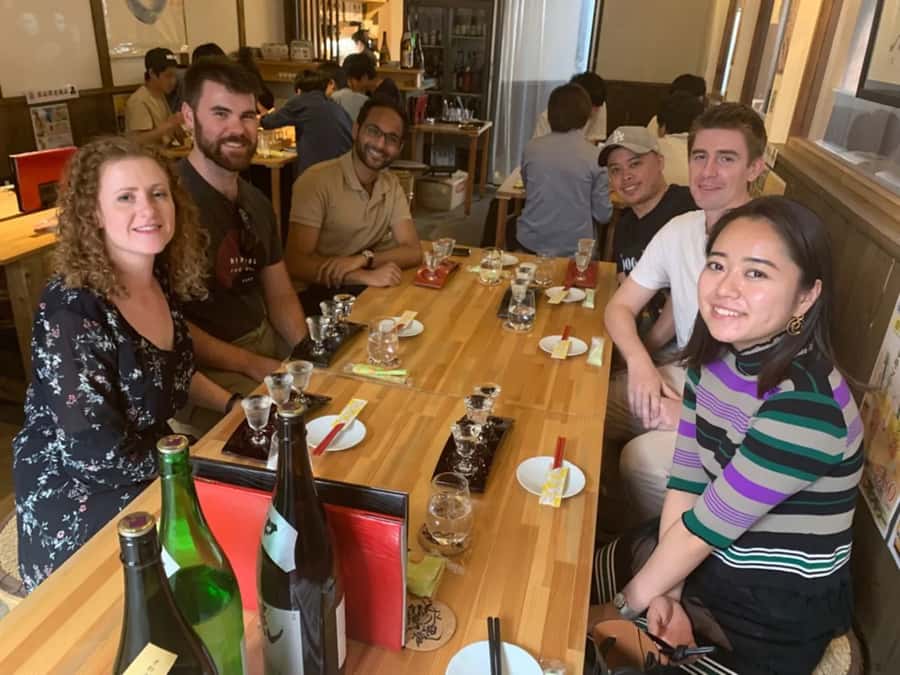
The route includes outdoor walking, riverside areas, shrine grounds, and streets that are not fully accessible to wheelchairs or strollers. If mobility is a concern, ask before booking, since the itinerary cannot guarantee step-free access.
Kyoto summers can be very hot and humid. Wear a hat, carry water, and expect the sun to matter, especially during the outdoor sections. One hot-weather outing involved walking in temperatures around 36 degrees Celsius, which made the route less comfortable. Rain is possible too, although the museum and tasting provide sheltered portions.
The tour is conducted in English, and it is limited to nine participants. Children under 15 are not suitable for the experience. Anyone under 20 cannot taste sake, and alternative foods or snacks may be provided instead. The tour is therefore best suited to adults who want to make sake a central part of their Kyoto visit.
Food allergies and dietary restrictions require care. The food comes from kitchens outside the tour operator’s control, so allergy-free preparation and substitutions cannot be guaranteed. The operator will try to make adjustments at other stops, but you should not book this expecting a fully customized food plan.
The guides make a real difference
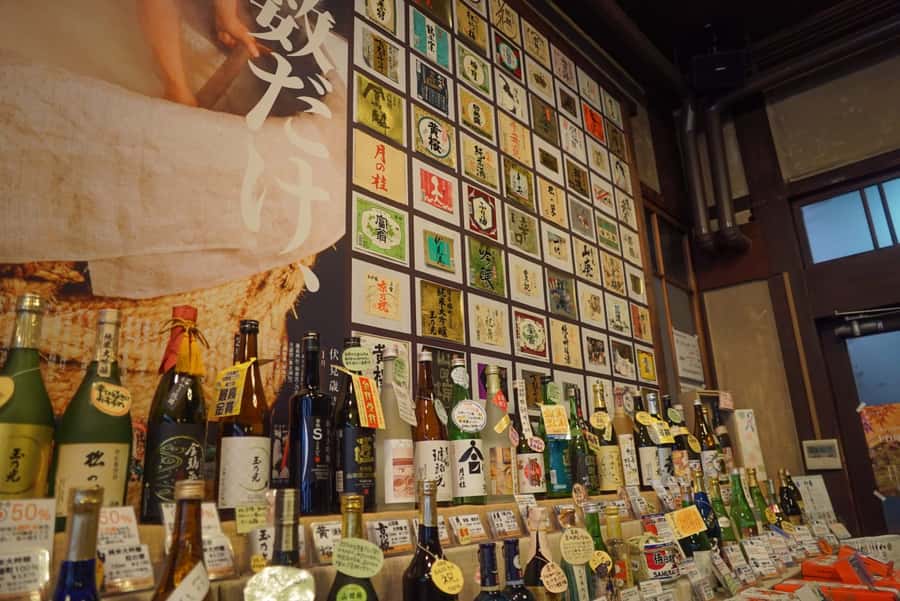
The strongest part of this experience is the human element. You may meet Matt, Kumi, Rika, Yuki, Fuji, Nami, Shinya, Nobu, Marie, or another guide, depending on the date. Their styles will differ, but the tour works best when the guide treats the walk as a conversation rather than a speech.
The best guides explain sake in plain terms, connect the drink to the neighborhood, and welcome questions beyond the official subject. That matters in Kyoto, where a simple stop at a shrine or old inn can raise questions about religion, folklore, food, and the end of the shogunate.
You should feel free to ask about bottles you might buy later, how to compare sake, or why a particular style tastes different. The guides are also a useful source of broader Kyoto tips. Several have been noted for warmth, patience, and an ability to make non-sake questions part of the conversation.
Who should book this Fushimi tour?
I would choose this tour if you want a structured introduction to sake and prefer learning by seeing, walking, and tasting. It suits first-time visitors who do not know where to begin, as well as sake drinkers who want to compare many Kyoto-made options in one afternoon.
It is also a good choice if you have already seen Kyoto’s major temples and want a different side of the city. Fushimi offers canals, breweries, folklore, a shrine, and local history without requiring a full-day commitment.
I would think twice if you want a quiet private tasting, a highly technical class, or a short route with little walking. The museum section may feel slow, the tasting has a lot of samples, and summer weather can be rough. People under 20 will miss the central drinking portion, even if snacks are available.
Should you book it?
Book this Fushimi sake tour if you value context as much as alcohol. The 18-sake tasting is generous, but the best reason to go is the full sequence: water, breweries, museum displays, local stories, shrine scenery, and then a broad comparison of Kyoto sake.
Skip it if you are not interested in tasting, have serious dietary needs, or need a fully accessible route. For most adults who enjoy Japanese food and want a well-organized three-hour outing away from central Kyoto’s busiest streets, $96 is a fair price for the amount of guidance, admission, and tasting included.
FAQ
Where does the tour start?
The tour starts at Chushojima Station, at the North Gate. Your guide will hold a board that reads MagicalTrip.
How long does the experience last?
The tour lasts three hours.
What language is the tour conducted in?
The tour is conducted in English with a live guide.
How many people are in the group?
The group is limited to nine participants.
How many kinds of sake will I taste?
You will taste 18 kinds of sake made in Kyoto.
Is entry to the sake museum included?
Yes. Entry to the sake museum and brewery is included in the price.
Is the Gekkeikan Okura Sake Museum part of the tour?
Yes. The visit to the Gekkeikan Okura Sake Museum lasts about one hour.
Can people under 20 taste sake?
No. People under 20 are not allowed to taste sake. Some foods or snacks may be provided instead.
Is the tour suitable for children?
The experience is not suitable for children under 15 years old.
Is the route wheelchair and stroller accessible?
Some locations on the route are not accessible by wheelchair or stroller.
What should I bring in summer?
Bring water and wear a hat, since Japanese summer can be very hot and humid.
What happens if I arrive late?
The tour starts on time. If you arrive late and miss the group, you cannot join, reschedule, or receive a refund.
More Sake Brewery Tours in Japan
- Takayama: Authentic Sake Tasting at a Historic Brewery
★ 4.8 · 50 reviews - Sake Brewery and Japanese Life Experience Tour in Kobe
★ 5.0 · 39 reviews - Kyoto: Fushimi Sake Brewery Tour – 18 Tastings in 2.5 Hours
★ 4.7 · 36 reviews - Hiroshima: Saijo Sake Tasting at 7 Breweries Guided Tour
★ 4.8 · 29 reviews
Just added around Japan
- Private Sake Tasting at 300 Years Old Sake Brewery in Tokyo★ 5.0 · 3 reviews
- Takayama: Authentic Sake Tasting at a Historic Brewery★ 5.0 · 65 reviews
- Rural Brewery Town Walk: Half-Day Private Tour Near Kyoto★ 5.0 · 7 reviews
- 1-Day Sapporo Historical Village and Sapporo Beer Museum Tour★ 5.0 · 3 reviews
- Sapporo Tour in the Port City of Otaru and Local beer brewery★ 5.0 · 3 reviews
- Cultural Sake Brewery Private Tour & Unlimited Tasting Near Tokyo★ 5.0 · 4 reviews
- Unique Brewery Tour and One-of-a-Kind Sake Tasting Near Tokyo★ 5.0 · 17 reviews
- Sake “Omakase” in Osaka : Guided Tasting by a Active Sake brewer★ 5.0 · 11 reviews
Kyoto Beer Tours, compared.

Insider Sake Brewery Tour with Sake and Food Pairing
Read our review →
Fushimi Sake Brewery Tour – 18 Tastings in 2.5 Hours
Read our review →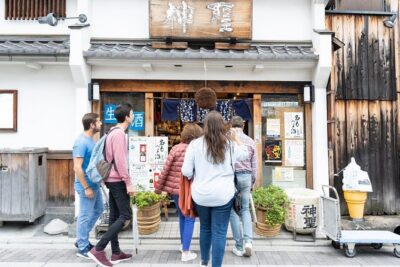
KYOTO Sake Tasting Tour at Local Breweries(tasting fee included)
Read our review →
Browse the lists this tour appears in