
REVIEW · KOBE
Kobe: Guided Sake Breweries Tour with Tastings
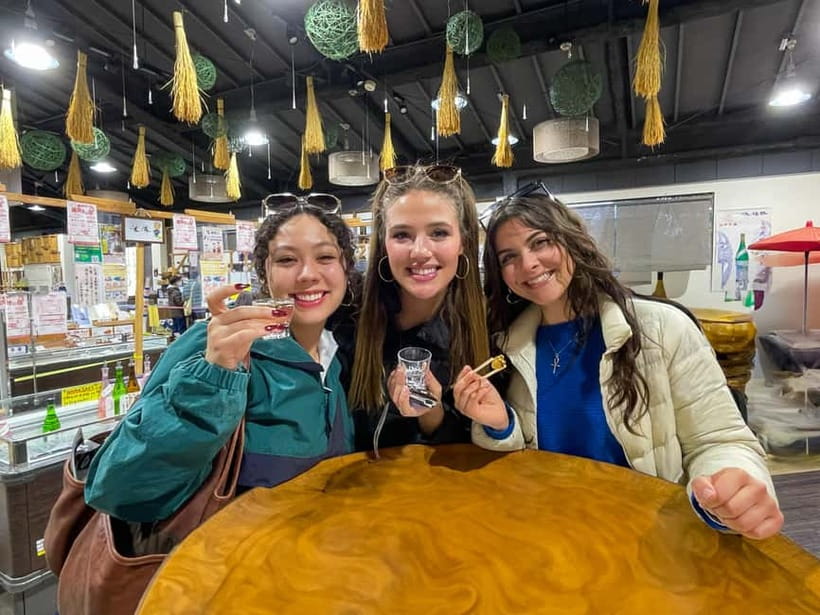
Kobe’s Nada district turns sake into a very good afternoon lesson. You’ll visit three or four breweries, taste different styles, and see how old wooden tools and modern production fit together. I like the mix of famous breweries and small local stops, especially the fresh tofu tasting and the chance to buy bottles at the source.
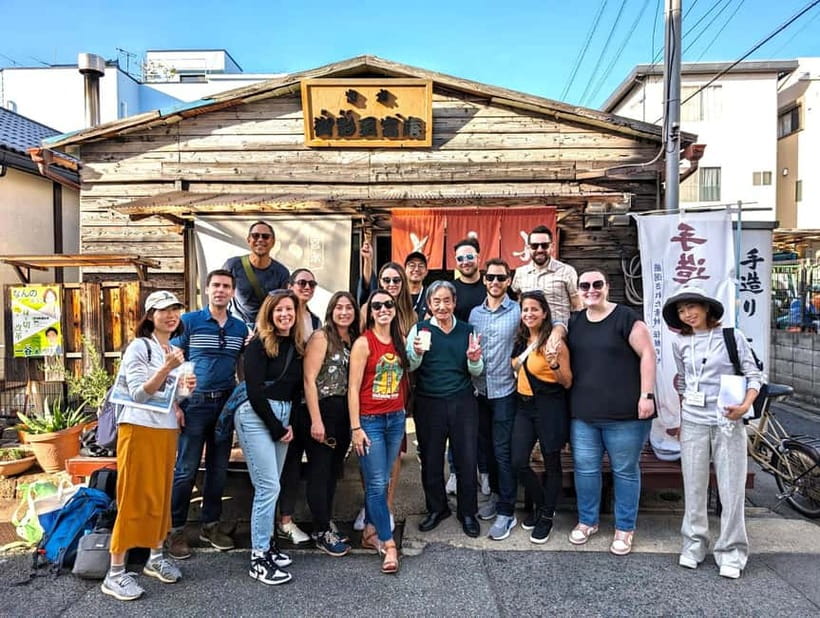
I also like the small-group format, limited to 10 people, and the warm, playful guides. Hiro, Romi, Fuma, Aki, and Aya have led departures, and several guests singled out their clear English, humor, and strong grasp of sake. The main drawback is the walking: about 4 kilometers over three and a half hours, with no full meal included, so wear good shoes and eat first.
Key points to know before you go
- Nada is Japan’s sake center: The district is home to more than 26 breweries, making this one of Kobe’s best places to learn about sake.
- Expect three or four brewery stops: The exact mix can change with closing days and weather.
- Tastings are the main event: You’ll sample several types of sake and learn how brewing methods affect flavor.
- Fresh tofu adds a local twist: Okage Tofu-an makes tofu each morning, though it is closed on Sundays and public holidays.
- The route is easy to reach: Meet at Ishiyagawa Station on the Hanshin Line at 1 p.m. and finish at Uozaki Station around 4:30 p.m.
- This is an adults-only tasting: Participants must be at least 20, and the tour is not suitable for pregnant women.
Why Nada is the right place for a sake tour
Nada, in Kobe, has long been one of Japan’s leading sake-producing districts. More than 26 breweries operate in the area, helped by good water, access to rice, and a long brewing tradition.
That concentration matters to you as a visitor. Instead of spending half a day traveling between scattered producers, you can walk from one brewery to another and compare them in a single outing. The streets around the breweries also give you a look at a working part of Kobe that many city tours skip.
Sake can seem difficult at first. Labels use unfamiliar terms, serving temperatures vary, and the difference between styles is not always obvious after one sip. A guide gives you a useful framework: how rice is polished, how fermentation works, why some sake tastes dry or sweet, and how traditional methods still shape the drink.
The tour is conducted in English, and the guides have different personalities. Hiro is known for a lively approach and has even used costumes and accessories to make the history more fun. Romi is warm and generous with explanations, while Fuma, Aki, Aya, and Hiroman have also led groups. Your guide depends on the date, but the format remains focused on clear instruction and tasting.
More Beer Tastings in Japan
- Kyoto Sake Brewery & Tasting Walking Tour
★ 5.0 · 623 reviews - KOBE Sake Tasting Tour at Breweries (tasting fee included)
★ 5.0 · 154 reviews - Hiroshima Saijo Sake Tasting Tour with visit to 7 Breweries
★ 5.0 · 104 reviews
Meeting at Ishiyagawa Station
The tour begins at 1 p.m. at Ishiyagawa Station on the Hanshin Line. Look for a staff member wearing a name tag with the KampaiSakeTours logo.
This is a simple meeting point, but give yourself time to arrive. The tour does not include hotel pickup, and you need to be ready to walk soon after meeting the guide. It ends at Uozaki Station on the same Hanshin Line, which makes the route practical for continuing around Kobe or heading back toward Osaka.
The full experience lasts 210 minutes. That sounds generous, but the time includes walking between stops, brewery visits, tastings, and explanations. You are not spending three and a half hours seated in one tasting room.
Eat something before joining. Snacks are included, but they are not a replacement for lunch. Sake on an empty stomach can catch up with you quickly, especially when several breweries are involved.
Kobe Shushinkan and Fukuju sake
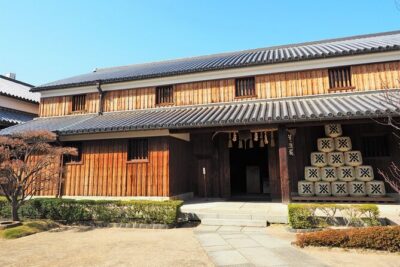
The first main stop is Kobe Shushinkan, a brewery that dates to 1751. Its sake is sold under the Fukuju name, and the brewery continues to focus on handcrafted production.
This is a good early stop because it introduces the basic idea behind the tour: sake is more than a drink to sample. It reflects water, rice, the skill of the brewers, and the time allowed for production. The explanations here help you pay attention to the differences that appear later in the day.
You can expect a tasting of several sake types, with the guide explaining what you are drinking. The range gives you a chance to notice your own preferences. You may find that you prefer a clean, light sake, or you may respond better to something fuller and more fragrant.
The brewery’s purpose also reaches beyond the bottle. Fukuju presents sake as something that should bring happiness to drinkers, brewers, the local community, and the wider world. That idea gives the stop a human side without turning the visit into a sales pitch.
Okage Tofu-an, a small but worthwhile food stop
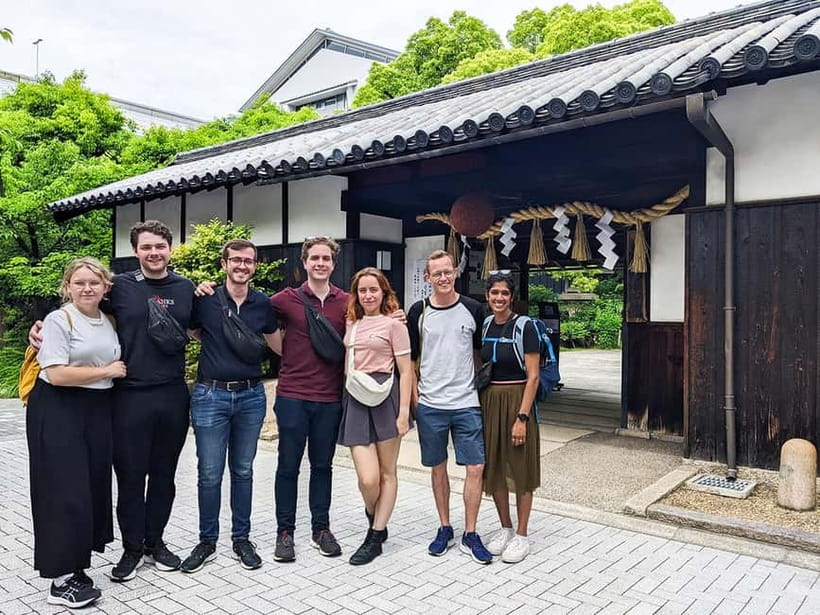
After about 20 minutes of walking from the starting point, the route reaches Okage Tofu-an. This tofu shop has been making fresh tofu each morning for more than 60 years.
The connection with sake is simple and useful: both depend on pure water. Here, the tofu is made in the traditional way and has a delicate, clean flavor. If the timing is right, you may also taste freshly made ganmodoki, a tofu and vegetable fritter.
I like this stop because it breaks up the alcohol tasting with something local and savory. It also shows you how food traditions fit into the same neighborhood as the breweries. This is not a grand attraction, but it is the sort of small stop that makes the afternoon feel tied to the community.
Plan around the closing days. Okage Tofu-an is closed on Sundays and public holidays, so the tour will skip the shop and tofu tasting then. The rest of the route continues, but you will miss one of the more distinctive food moments.
More Brewery Tours in Japan
- Kyoto: Insider Sake Brewery Tour with Sake and Food Pairing
★ 5.0 · 704 reviews - Takayama: Authentic Sake Tasting at a Historic Brewery
★ 5.0 · 65 reviews - Private Sake Brewery Visit and Tasting Tour in Hida
★ 5.0 · 65 reviews - Kyoto: Sake Brewery and Tasting Tour in Fushimi
★ 4.8 · 55 reviews
Hakutsuru Sake Brewery Museum
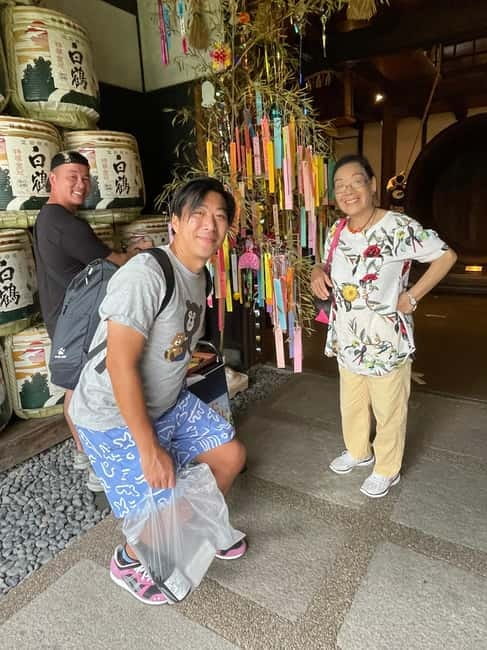
The largest brewery on the route is Hakutsuru, described as Japan’s biggest sake brewery. Its old brewhouse has been opened to the public as the Hakutsuru Sake Brewery Museum.
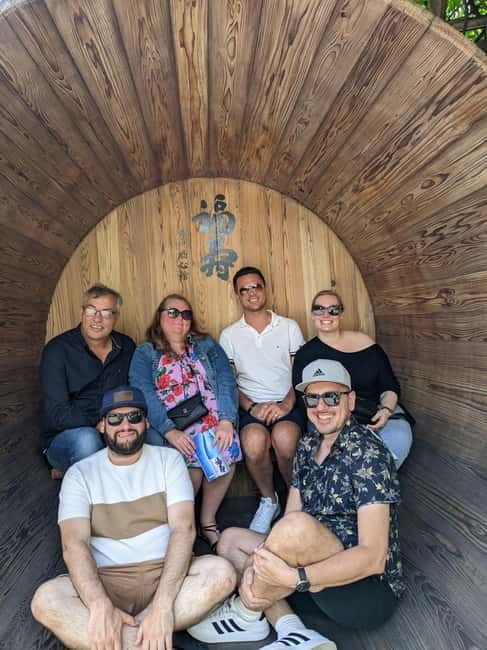
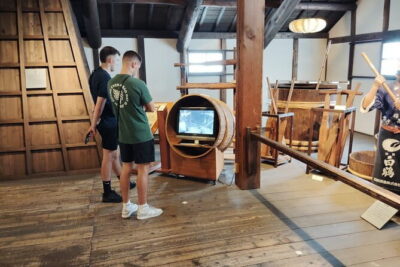
This stop gives you the clearest look at the brewing process. Historic tools and displays show how sake was made in earlier periods, helping you understand the labor behind a drink that can look simple in a glass. The museum is a useful counterpoint to the tastings because it gives the process a physical shape.
There is also a tasting corner and a shop in the same building. You can try more sake and browse bottles, gifts, and other souvenirs without making a separate stop elsewhere.
Allow about an hour here. It is the longest visit of the day, and that is appropriate. You have time to examine the equipment, listen to the guide, taste, and decide if you want to take a bottle home.
Passport holders can receive a tax exemption on brewery purchases over JPY 5,500. Ask about the current procedure at the time of purchase, and remember that bottles add weight to the rest of your walking route. A backpack is more practical than a shoulder bag.
Kiku-Masamune and the traditional Kimoto method
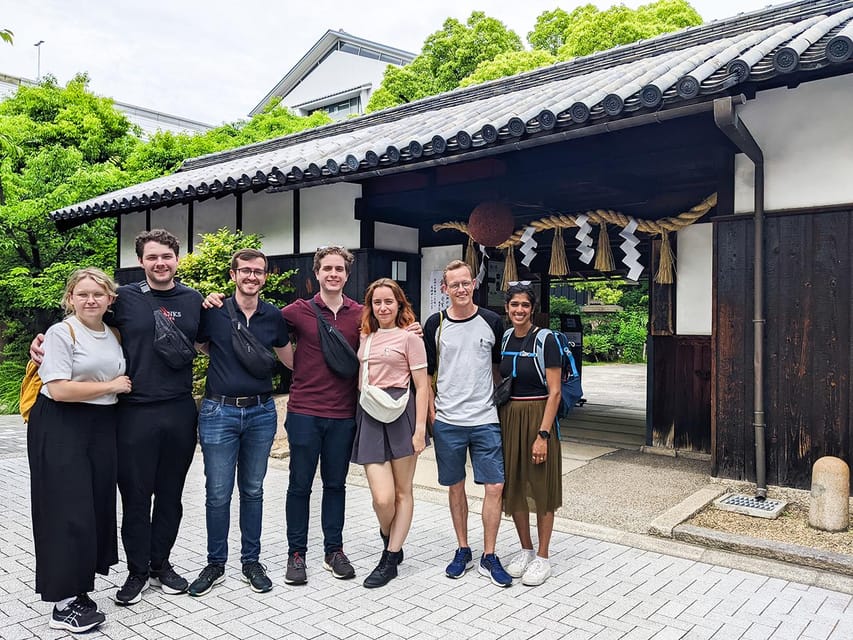
The final listed brewery is Kiku-Masamune, founded in 1625. It is known for retaining the traditional Kimoto method of sake making.
The brewery’s museum displays wooden sake-making tools, giving you another view of the craft after Hakutsuru’s larger-scale setting. Comparing the two is one of the strongest parts of the tour. One stop helps you see sake production on a major scale, while the other points to older methods and tools.
The visit lasts about 30 minutes. You’ll learn more about brewing and taste sake in front of a small Japanese garden. It is a quieter ending than the larger museum, and the guide may encourage you to slow down, taste carefully, and take in the setting.
The route can include three or four locations. Brewery schedules, closing days, and weather can change the exact order or selection. That flexibility is worth understanding before you book, since the tour is built around access to working breweries rather than a fixed museum-only program.
What the walking route feels like
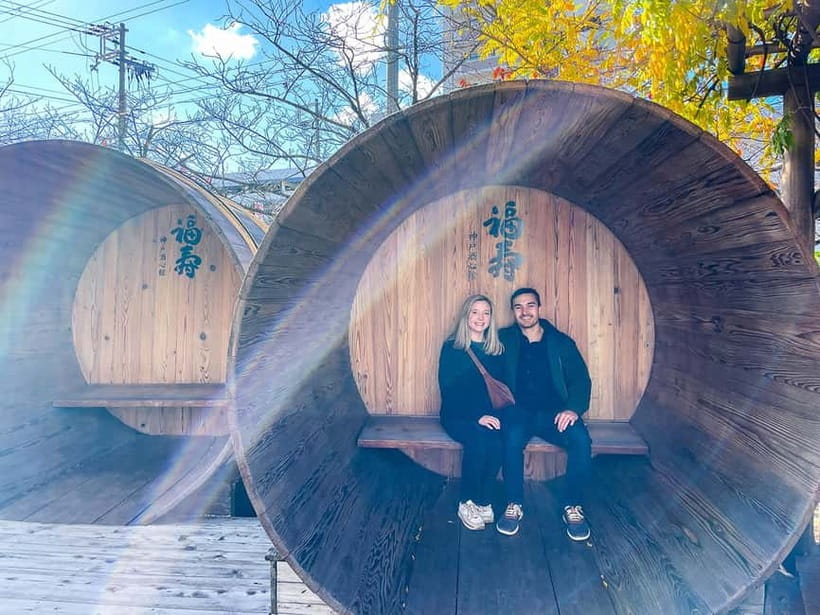
The itinerary includes walks of about 10 to 20 minutes between stops. In total, expect roughly 4 kilometers on foot.
The distance is manageable for most people who are comfortable walking for an afternoon, but the alcohol changes how the distance feels. Wear comfortable shoes, carry water, and do not plan a demanding activity immediately afterward.
The walking also has a benefit. You are not being moved from tasting room to tasting room in a vehicle with no sense of place. You cross through Nada’s brewery district and see how the producers sit within the wider Kobe neighborhood.
Rain can affect the experience. One departure took place in heavy rain, and the organizers arranged a car between breweries. You should not count on that every time, but it shows that weather may affect the route and the number of stops. Bring suitable rain protection if the forecast looks poor.
Tasting, snacks, and buying sake
The tasting is not just a quick sample at one location. You may try different sake at each brewery, including bottles that are only available at the producer. The point is comparison: notice how the aroma, sweetness, dryness, texture, and finish change from one sample to the next.
If you know wine, the guide can help you use familiar ideas without pretending sake is simply Japanese wine. Several participants with wine experience found the comparison useful because it made the differences easier to discuss.
The pace can be generous. One departure included four breweries and left the group noticeably tipsy by the end. That is a friendly warning, not a complaint. Pace yourself, use the snacks, and do not treat every sample as something you must finish.
The tour includes snacks, but not a full meal. If you need a substantial lunch, eat before arriving. This is especially important because the activity starts at 1 p.m., a time when many people would otherwise be ready for a late lunch.
For purchases, bring a backpack. Brewery shops carry sake and souvenirs, and you may find bottles that are not easy to locate elsewhere. Purchases also qualify for tax exemption for passport holders when the total exceeds JPY 5,500, subject to the brewery’s process.
Is the $106 price good value?
At $106 per person, this is not a cheap tasting flight. The price makes more sense when you count the full package: a three-and-a-half-hour guided route, visits to three or four breweries, multiple tastings, museum access, a tofu stop when open, snacks, and a small group capped at 10 people.
You are also paying for access and interpretation. Nada is easy to visit by train, but finding several open breweries, understanding the displays, and comparing sake without guidance would take more planning. An English-speaking guide turns separate stops into one connected lesson.
The value is strongest if you want to learn, not simply drink. If you only want a glass of sake, a bar or brewery shop will cost less. If you want context, local food, walking, and a range of producers in one afternoon, the price is more defensible.
The exact number of tastings and stops may vary. That uncertainty means you should book this for the overall experience rather than a guaranteed checklist of four breweries.
Who should book this tour?
I would recommend it to adults who enjoy food and drink, want a cultural activity outside central Kobe, or have tried sake but do not yet understand the main styles. It also suits people staying in Osaka, since the Hanshin Line makes the start and finish practical for a Kobe day trip.
The small group helps if you like asking questions. Guides have answered questions about sake, Kobe, brewing methods, regional differences, and points beyond the drink itself. The tone can also be playful, especially with guides such as Hiro, but the tour still gives you solid instruction.
This is less suitable if you dislike walking, want a quiet private tasting, or need a full meal during the afternoon. It is also not for anyone under 20 or for pregnant women. Wheelchair users and people bringing strollers should tell the operator when booking so arrangements can be discussed.
Free cancellation is available up to 24 hours before the tour, and you can reserve while paying later. Those policies help if your Kobe plans are still changing, but the practical points matter more: arrive at Ishiyagawa Station on time, wear comfortable shoes, and leave room in your bag.
Final verdict: book it for the full Nada experience
Book this tour if you want to connect sake with the place that makes it. The best parts are the range of breweries, the clear English explanations, the contrast between Hakutsuru’s large museum and Kiku-Masamune’s traditional tools, and the small tofu stop that adds local flavor.
Skip it if you want a short tasting with little walking. For everyone else, the $106 fee buys a well-organized afternoon with plenty to taste and enough background to make those tastes meaningful. Just eat first, pace yourself, and keep your afternoon free after the final stop at Uozaki Station.
FAQ
Where does the sake tour begin?
It begins at Ishiyagawa Station on the Hanshin Line at 1 p.m. Look for staff wearing a name tag with the KampaiSakeTours logo.
Where does the tour finish?
The tour finishes at Uozaki Station on the Hanshin Line at about 4:30 p.m.
How much walking is involved?
The route covers about 4 kilometers on foot, with walks of roughly 10 to 20 minutes between stops. Comfortable shoes are recommended.
How many breweries will I visit?
The tour visits three or four locations. The exact breweries can change because of regular closing days or weather conditions.
Is the tofu tasting always available?
No. Okage Tofu-an is closed on Sundays and public holidays, so the tour skips that stop and no tofu tasting is offered on those days.
Who can join the sake tasting?
Participants must be at least 20 years old. The activity is not suitable for pregnant women. The tour is conducted in English and is limited to 10 participants.
More Sake Brewery Tours in Japan
- Takayama: Authentic Sake Tasting at a Historic Brewery
★ 4.8 · 50 reviews - Sake Brewery and Japanese Life Experience Tour in Kobe
★ 5.0 · 39 reviews - Kyoto: Fushimi Sake Brewery Tour – 18 Tastings in 2.5 Hours
★ 4.7 · 36 reviews - Hiroshima: Saijo Sake Tasting at 7 Breweries Guided Tour
★ 4.8 · 29 reviews
Just added around Japan
- Private Sake Tasting at 300 Years Old Sake Brewery in Tokyo★ 5.0 · 3 reviews
- Takayama: Authentic Sake Tasting at a Historic Brewery★ 5.0 · 65 reviews
- Rural Brewery Town Walk: Half-Day Private Tour Near Kyoto★ 5.0 · 7 reviews
- 1-Day Sapporo Historical Village and Sapporo Beer Museum Tour★ 5.0 · 3 reviews
- Sapporo Tour in the Port City of Otaru and Local beer brewery★ 5.0 · 3 reviews
- Cultural Sake Brewery Private Tour & Unlimited Tasting Near Tokyo★ 5.0 · 4 reviews
- Unique Brewery Tour and One-of-a-Kind Sake Tasting Near Tokyo★ 5.0 · 17 reviews
- Sake “Omakase” in Osaka : Guided Tasting by a Active Sake brewer★ 5.0 · 11 reviews
Kobe Beer Tours, compared.
KOBE Sake Tasting Tour at Breweries (tasting fee included)
Read our review →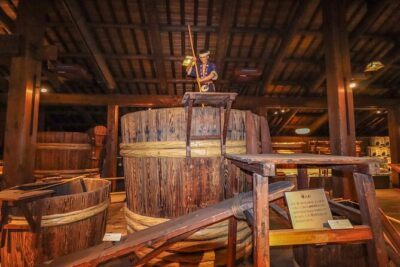
Sake Brewery and Japanese Life Experience Tour in Kobe
Read our review →
Exploring Nada Sake Breweries Kobe Private Tour with Government-Licensed Guide
Read our review →
Sake Brewery Tour with Tasting and Kobe Beef Bites
Read our review →
3-Hour Private Sake Tour in Japan’s Top Sake Area
Read our review →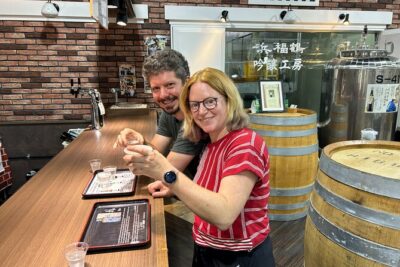
KOBE Sake brewery PRIVATE walking tour with Local guide
Read our review →Browse the lists this tour appears in