
REVIEW · JAPAN
Sake “Omakase” in Osaka : Guided Tasting by a Active Sake brewer
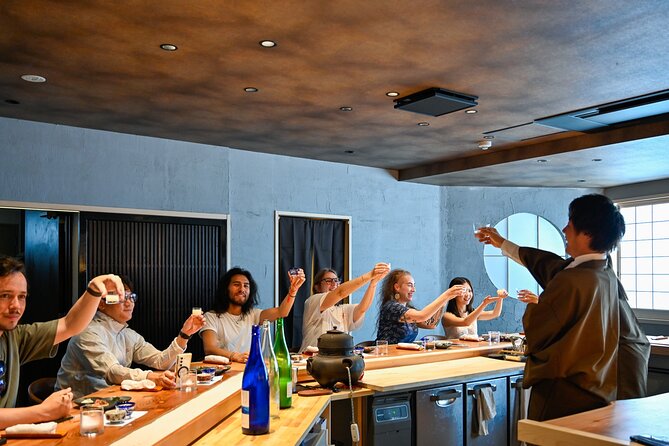
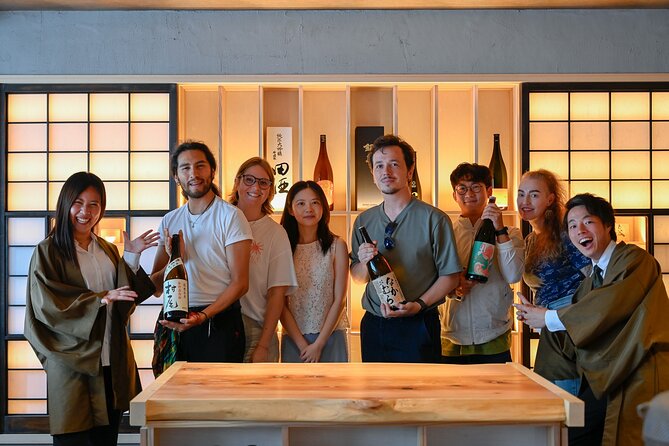
The most useful thing about this Osaka sake session is that you learn from Yuki, an active sake brewer, rather than from a bar host who only pours bottles. He explains rice, water, koji, polishing, regional character, and serving temperature in clear English, then lets you taste those ideas one glass at a time.
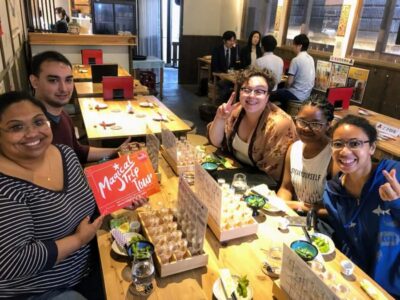
I like the seven-sake comparison, especially the chance to taste the same sake at two temperatures. I also like the small group of no more than 10 people, which gives the session a friendly, conversational feel. The main consideration is timing: the experience is advertised at about 1 hour 30 minutes, but the sample schedule runs from 1:00 to 2:55, so confirm the exact duration before planning a tight afternoon.
Key points at a glance
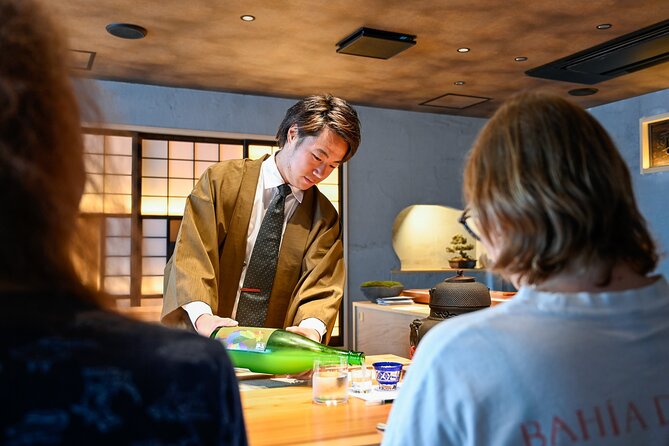
- Learn from an active brewer: Yuki trained for a year at a sake brewery in Osaka and explains the process from practical experience.
- Taste seven different pours: Compare three sake styles, two rice varieties, and one sake served both chilled and warm.
- Get a personal sake diagnosis: A tasting sheet helps identify the flavors and styles you prefer.
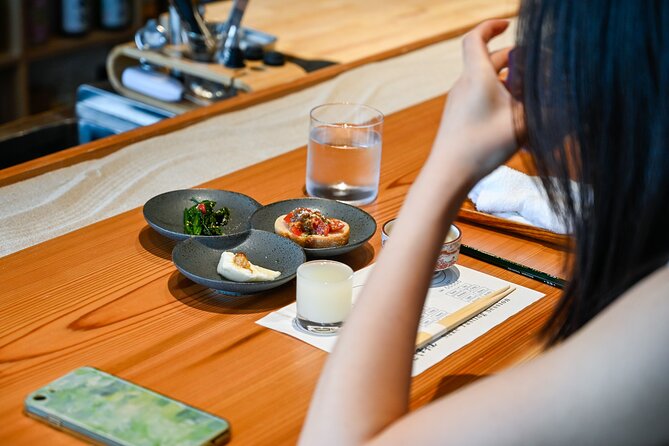
- Enjoy three seasonal dishes: Small Japanese pairings give you a chance to see how food changes the taste of sake.
- Meet in Fukushima: Sake Pairing Bar Potan is close to central Osaka and near public transportation.
- Expect an intimate class: The maximum group size is 10, making it easier to ask questions and talk about Japanese culture.
Why learning sake from Yuki changes the experience
Many sake tastings are pleasant but passive. You drink a few samples, hear a few broad descriptions, and leave with little idea what to order next. This session takes a more useful route. Yuki connects each pour to a specific part of sake making, so you can understand why the liquid smells and tastes the way it does.
His background matters. He trained for one year at a sake brewery in Osaka and remains active in brewing. That gives him a practical view of the subject. You are not simply memorizing terms such as koji or polishing ratio. You are hearing how rice, water, fermentation, and temperature work together in the glass.
The teaching is aimed at people who may know very little about sake. You do not need to arrive knowing the difference between junmai and ginjo, or understand how rice polishing affects flavor. The explanations are designed to be clear and approachable, and Yuki’s English makes the session suitable for international visitors.
The social side is part of the appeal. Yuki has traveled widely and is interested in cultural exchange, so conversation can move beyond sake into Japanese food, travel, and daily life. That makes this feel more personal than a simple tasting counter.
More Beer Tastings in Japan
- Kyoto Sake Brewery & Tasting Walking Tour
★ 5.0 · 623 reviews - KOBE Sake Tasting Tour at Breweries (tasting fee included)
★ 5.0 · 154 reviews - Hiroshima Saijo Sake Tasting Tour with visit to 7 Breweries
★ 5.0 · 104 reviews
What happens during the brewing introduction
The opening section covers the basic building blocks of sake. You learn about the drink’s place in Japanese culture, the role of rice varieties, polishing ratios, and simple etiquette for ordering and drinking sake.
The ingredients sound simple: rice, water, yeast, and koji. The results are not. Rice used for sake is handled differently from ordinary table rice, and the amount of polishing affects the final character. Koji helps convert rice starch into sugar, which yeast can then ferment. Even a short explanation of this process gives you a better sense of why two bottles made from similar ingredients can taste so different.
This is also the point where you can ask basic questions without feeling out of place. If you have always wondered why some sake smells fruity, why some feels dry, or why certain bottles cost more, this is the time to ask. The small group size helps here. With no more than 10 people, the class should feel more like a conversation than a lecture.
You also get to see actual brewing materials up close. That detail gives the lesson a physical connection to the brewery process, rather than keeping everything at the level of tasting notes.
Seven pours that make comparison easy
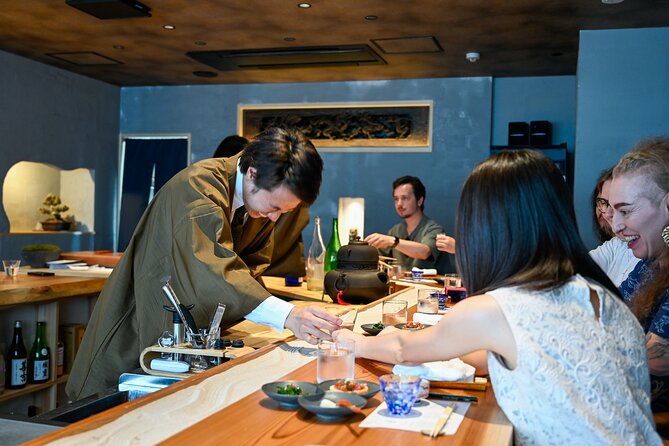
The tasting is arranged in three useful comparisons. Instead of giving you seven unrelated cups, the session asks you to notice what changes and why.
Three sake styles
The first set introduces three different sake styles. This is a good starting point because it gives your palate a range before you begin making more specific comparisons.
You might notice differences in aroma, sweetness, acidity, body, and finish. The point is not to decide which style is objectively best. It is to identify what you enjoy. Perhaps you prefer a light, clean sake. Perhaps you like something with more aroma or a fuller feel. The tasting sheet gives you a place to record those reactions before the details blur together.
This section is especially helpful if you normally choose sake by label alone. After tasting several styles side by side, you have a better chance of recognizing the kind of bottle you want in a restaurant or shop.
More Sake Brewery Tours in Japan:
- Kyoto: Insider Sake Brewery Tour with Sake and Food Pairing
★ 5.0 · 704 reviews - Takayama: Authentic Sake Tasting at a Historic Brewery
★ 5.0 · 65 reviews - Private Sake Brewery Visit and Tasting Tour in Hida
★ 5.0 · 65 reviews - Kyoto: Sake Brewery and Tasting Tour in Fushimi
★ 4.8 · 55 reviews
Two rice varieties
The second comparison uses two sakes made from different rice varieties. This helps show that the raw material matters, even when both drinks are unmistakably sake.
You can focus on aroma, texture, and how long the flavor remains after swallowing. Yuki explains how rice selection influences the result, making this more than a blind guessing game. You are learning to connect the taste in front of you to a decision made earlier in the brewing process.
For a first-time drinker, this is one of the most practical parts of the class. You may not remember every technical term, but you are likely to remember that rice variety can make a noticeable difference.
One sake at two temperatures
The temperature comparison may be the most surprising section. The same sake is served at two temperatures, allowing you to see how aroma and flavor shift without changing the bottle.
Temperature can affect how strongly you notice fragrance, sweetness, acidity, and alcohol. A sake that seems crisp and restrained when chilled may feel softer or more expressive when warmer. This is a lesson you can use right away when ordering in Osaka.
It also prevents a common mistake: assuming you dislike a particular sake when you may simply dislike the way it was served. For that reason, this comparison brings real value. It shows you that choosing sake is not only about the label. Serving style matters too.
Seasonal Japanese dishes give the tasting context
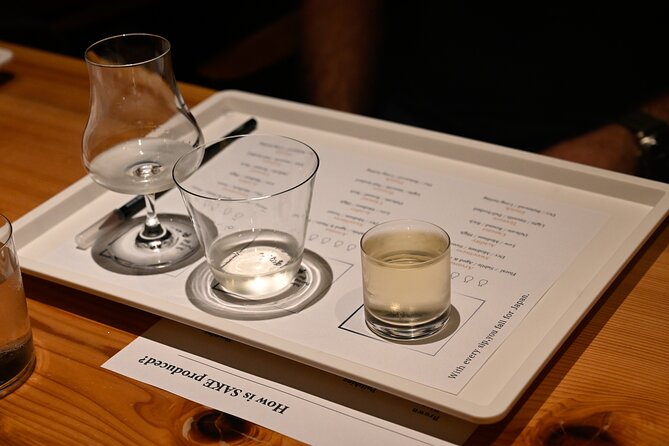
Three seasonal Japanese pairing dishes are included. They are not described as a full meal, so you should treat them as small accompaniments rather than lunch or dinner.
Their role is to show how sake behaves with food. A dish can make a sake seem sweeter, sharper, lighter, or more rounded. Even modest portions can help you understand why sake is often served with Japanese cooking instead of being treated as a drink consumed on its own.
The seasonal element is useful because Japanese food changes through the year, and pairing choices often follow those changes. You get a small taste of that approach without needing to commit to a long restaurant meal.
If you are booking this as your main afternoon meal, plan something else before or after. The included dishes add value and make the class more satisfying, but the experience is built around education and tasting, not a large food menu.
The sake preference diagnosis is more useful than it sounds
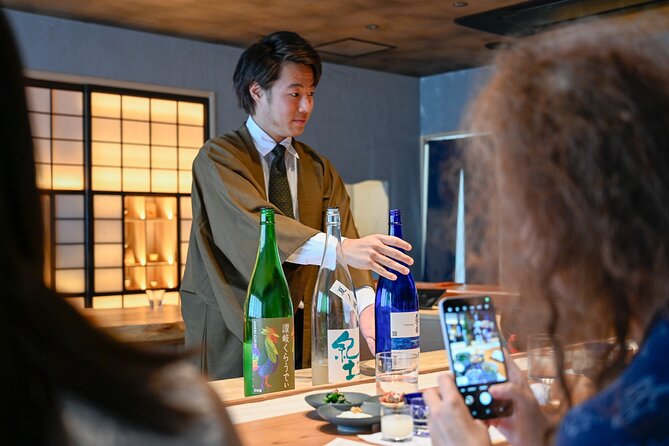
Near the end, you complete a tasting sheet and receive a personal Sake Preference Diagnosis. This is a practical finishing touch rather than a novelty certificate.
The sheet encourages you to pay attention to your own reactions. Did you prefer the more aromatic sample? Did you like a dry finish, or did you enjoy a softer and rounder style? Did the warmer pour work better for you? Those answers can help you order with more confidence later.
I especially like this feature for people who feel lost when faced with a long sake list. You may leave with a clearer vocabulary and a few preferences to mention. You can say that you prefer a certain style, rice character, or serving temperature instead of asking for something simply good.
The diagnosis does not replace personal taste. Use it as a guide, not a rule. Sake preferences can change with food, weather, and mood. Still, it gives beginners a useful starting point.
A refined setting in Fukushima
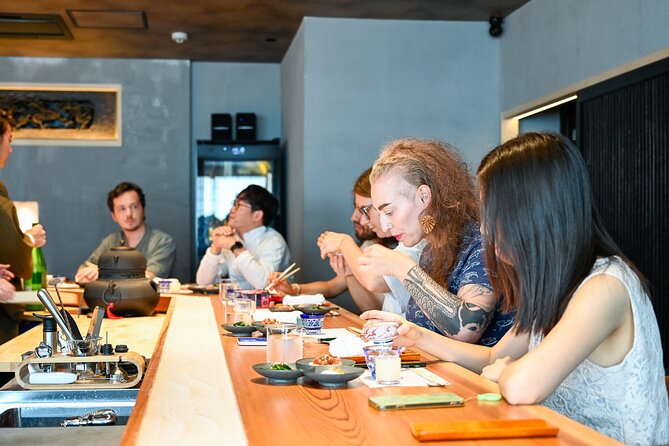
The session takes place at Sake Pairing Bar Potan in Fukushima Ward, a short distance from central Osaka. The address is Japanese Sake Pairing Bar Potan, 2-chōme 7-24, NANEI Fukushima Building, 4F, Osaka 553-0003.
The bar is designed with traditional Japanese architectural touches, giving the lesson a quieter setting than a noisy standing bar. That matters when you are trying to notice aroma and listen to an explanation. The setting keeps sake at the center rather than treating it as one item on a large drinks menu.
Fukushima is also a convenient choice for an Osaka trip. The venue is near public transportation, though public transit is not included in the price. Allow time to find the building and the fourth-floor entrance, particularly if you are coming straight from another part of the city.
The experience begins and ends at the same bar. That makes planning easy. You do not need to arrange a second meeting point or wonder where the class finishes.
How much value do you get for $71.54?
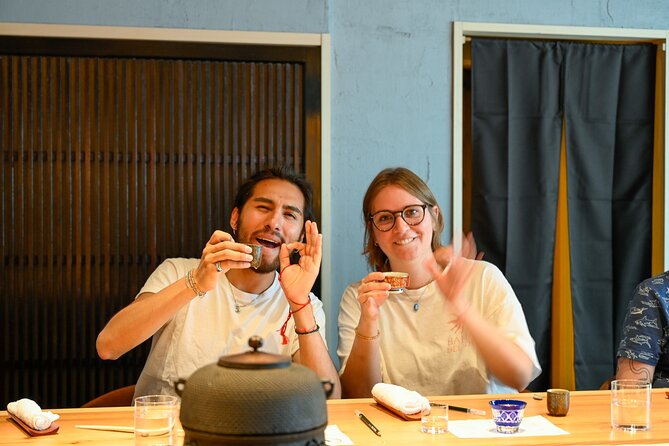
At $71.54 per person, this is not the cheapest way to drink sake in Osaka. You could order several small pours at a bar for less, especially if your only goal is to sample bottles.
The value comes from the structure and instruction. The price includes seven sake tastings, three seasonal Japanese pairing dishes, the brewing lesson, a tasting sheet, and the personal preference diagnosis. You are paying for a guided comparison, not only for alcohol.
I think the price makes the most sense for three kinds of people:
- You are new to sake and want a clear introduction.
- You already drink sake but want to understand rice, brewing, and temperature better.
- You want a cultural activity where conversation matters as much as the tasting.
It is less suitable if you want a large meal, a long brewery visit, or an unstructured night of drinking. It is also worth checking the exact timing, since the advertised duration and sample schedule do not match perfectly. That may be a simple schedule variation, but it matters if you have a reservation afterward.
Group discounts are available, which may improve the value for couples, friends, or colleagues booking together.
Who should book this Osaka sake session?
I would recommend it to curious beginners because the format builds knowledge in a sensible order. You start with ingredients and brewing, then taste by style, rice variety, and temperature. Each stage gives you something specific to notice.
It also suits experienced sake drinkers who want to sharpen their palate. The temperature comparison alone can challenge your usual assumptions about how sake should be served.
Solo visitors should find the small group format comfortable, particularly if they enjoy conversation. Couples and friends can compare their preference diagnoses and discover that one person’s favorite pour may be another person’s least favorite.
This is a good pick for visitors interested in Japanese culture but short on time. The session lasts roughly an hour and a half according to the main description, and it takes place close to central Osaka. Just keep the longer sample schedule in mind when arranging the rest of your day.
The experience is not a fit for anyone avoiding alcohol, since alcoholic sake is the central activity. It may also disappoint someone expecting a full brewery tour, because the experience takes place at the pairing bar and focuses on instruction and tasting.
Booking details worth knowing
Confirmation is provided when you book. The activity accepts a maximum of 10 people, so the limited capacity helps preserve the intimate feel.
Service animals are allowed, and the venue is near public transportation. Tips and transportation are not included.
Free cancellation is available when you cancel at least 24 hours before the start time. Cancellations made less than 24 hours in advance are not refunded, and changes within that period are not accepted. Cut-off times follow local Osaka time.
Should you book it?
Book this session if you want to understand what is in your glass, not simply sample several drinks. Yuki’s brewery experience, clear English, seven-part tasting, temperature comparison, and personal sake diagnosis give you useful knowledge you can carry into the rest of your Japan trip.
Skip it if you want a full meal, a large nightlife crowd, or a traditional brewery tour. For most curious drinkers, though, the combination of practical teaching and tasting makes the $71.54 price reasonable, especially if you have little confidence ordering sake on your own.
FAQ
Where does the sake experience take place?
It takes place at Sake Pairing Bar Potan in Fukushima Ward, Osaka. The address is 2-chōme 7-24, NANEI Fukushima Building, 4F, Osaka 553-0003.
Who leads the sake tasting?
The owner, Yuki, leads the session. He is an active sake brewer who trained for one year at a sake brewery in Osaka.
How many sakes are included?
Seven sake tastings are included. You compare three sake styles, two sakes made from different rice varieties, and the same sake served at two temperatures.
Is food included?
Yes. The price includes three seasonal Japanese pairing dishes. These are intended as tasting accompaniments rather than a full meal.
How large is the group?
The experience has a maximum of 10 participants. It begins and ends at Sake Pairing Bar Potan.
Can I cancel for a full refund?
Yes, if you cancel at least 24 hours before the experience start time. Cancellations made less than 24 hours in advance are not refunded, and changes during that period are not accepted.
Just added around Japan
- Private Sake Tasting at 300 Years Old Sake Brewery in Tokyo★ 5.0 · 3 reviews
- Takayama: Authentic Sake Tasting at a Historic Brewery★ 5.0 · 65 reviews
- Rural Brewery Town Walk: Half-Day Private Tour Near Kyoto★ 5.0 · 7 reviews
- 1-Day Sapporo Historical Village and Sapporo Beer Museum Tour★ 5.0 · 3 reviews
- Sapporo Tour in the Port City of Otaru and Local beer brewery★ 5.0 · 3 reviews
- Cultural Sake Brewery Private Tour & Unlimited Tasting Near Tokyo★ 5.0 · 4 reviews
- Unique Brewery Tour and One-of-a-Kind Sake Tasting Near Tokyo★ 5.0 · 17 reviews
- Nara – Craft Beer, Sake & Food Walking Tour★ 4.0 · 7 reviews
Japan Beer Tours, compared.

Insider Sake Brewery Tour with Sake and Food Pairing
Read our review →
KOBE Sake Tasting Tour at Breweries (tasting fee included)
Read our review →
Hiroshima Saijo Sake Tasting Tour with visit to 7 Breweries
Read our review →
Takayama: Authentic Sake Tasting at a Historic Brewery
Read our review →
Private Sake Brewery Visit and Tasting Tour in Hida
Read our review →
Browse the lists this tour appears in