
REVIEW · JAPAN
Kanazawa Historic Brewery: Fermentation Tour, Tasting, Lunch
Kanazawa’s koji culture comes alive at Yamato Soy Sauce & Miso, a brewery founded in 1911. You’ll walk among old wooden storehouses and brick buildings, learn how fermentation shapes miso and soy sauce, make your own soup, and sit down to a generous lunch built around fermented ingredients. I especially like the hands-on miso tasting and the chance to meet fourth-generation owner Yamamoto and his wife, Yukiko. The only real drawback is the location: public transport takes planning, and a taxi may be easier.
I also like that this is more than a tasting stop. You get history, food, practical instruction, and a look at how a family business has adapted its old production site into Koji Park. Keep in mind that the tour does not enter the rooms where miso and soy sauce are actually produced, and doburoku means this is an adults-only activity for people aged 20 and over.
Key points to know before you book
- A 1911 brewery with a family welcome: Fourth-generation owner Yamamoto and Yukiko may guide you through the site and explain its past and products.
- Koji is the main lesson: You’ll see how this fermentation starter connects miso, soy sauce, amazake, sake, and other foods.
- Two misos, one simple kitchen task: Make miso soup and compare pastes aged for six and 12 months.
- Lunch is a serious part of the experience: The usual course includes koji beef steak along with several fermented ingredients.
- Doburoku brings the tasting to a lively finish: Try yuzu and black currant versions of this cloudy fermented rice drink.
- Plan the ride to Oonomachi: The bus journey from Kanazawa Station takes about 30 minutes, followed by a three to eight minute walk.
Why this Kanazawa brewery visit feels different
Many Kanazawa food activities focus on finished dishes. This one takes you back a step, to the process that gives many Japanese foods their depth, salt, sweetness, and aroma.
At Yamato, koji is the star. Koji is a mold culture grown on grains such as rice, and it helps transform ingredients into familiar foods including miso, soy sauce, amazake, and sake. You are not expected to arrive with a science background. The explanations are designed for ordinary eaters who want to understand what is happening in the bowl or bottle.
The setting helps. Oonomachi is a historic port area that has been associated with soy sauce production since the Edo period. Kanazawa is known as one of Japan’s major soy sauce-producing regions, and Yamato’s old buildings give that story a physical shape.
Look for the red brick boiler, the tall chimney, and the traditional wooden storehouses now used for production-related spaces, shops, and visitor activities. The site also looks toward Kanazawa Port, with the Hakusan and Tateyama mountain ranges visible in the distance when conditions allow.
This is a good choice if you want a break from temples, gardens, and formal cultural sights. It gives you a more domestic view of Japan, built around pantry staples that appear in everyday meals.
More Beer Tastings in Japan
- Kyoto Sake Brewery & Tasting Walking Tour
★ 5.0 · 623 reviews - KOBE Sake Tasting Tour at Breweries (tasting fee included)
★ 5.0 · 154 reviews - Hiroshima Saijo Sake Tasting Tour with visit to 7 Breweries
★ 5.0 · 104 reviews
The 12:00 Koji Park tour and talk
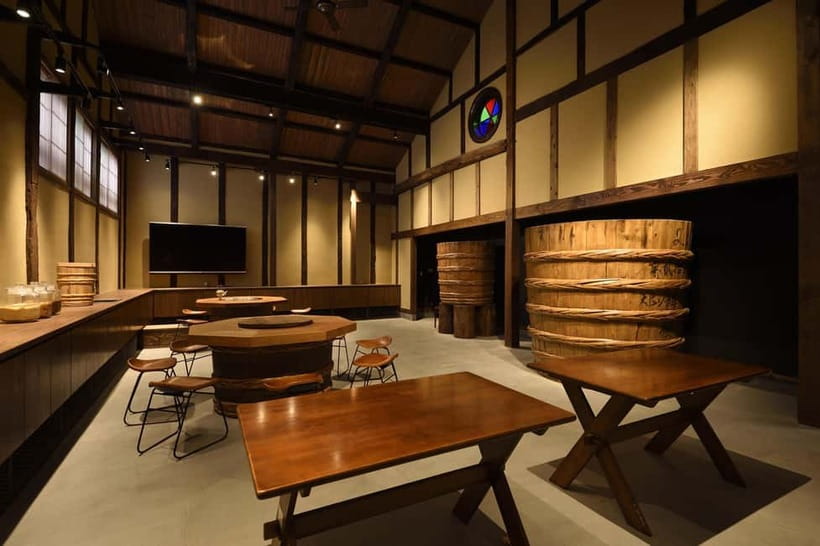
The organized program begins at noon at Hishiho-Gura, the product showroom. From there, the guide introduces Koji Park and the historic brewery grounds.
Expect a mixture of indoor explanation and an outdoor walk. The outdoor portion can be changed or skipped in poor weather, so the experience is not dependent on a perfect day. You’ll hear about the brewery’s past and see the exterior of the factory complex, but you will not enter the factory rooms where miso and soy sauce are made.
That distinction matters. If you are hoping to watch workers filling vats or handling active production, this is not that kind of factory visit. Instead, you get the history of the site, an explanation of the process, and tastings that show how fermentation affects flavor.
The guide covers three broad topics:
- What koji is
- How fermentation works
- Why fermented foods are connected with intestinal health
The English guidance is a major strength. Yamamoto speaks English well, and Yukiko has been praised for making the explanations clear, warm, and lightly humorous. The small group limit of eight people also helps. You can ask questions without shouting across a crowded room.
The tour can sometimes include extra samples from the product range, such as miso, sake, amazake, or other items sold on site. Exact samples may vary, but the basic program gives you several ways to smell, taste, and compare fermented products rather than simply hearing a lecture.
Making miso soup with two aging periods
From 12:30 to 1:00, you make your own miso soup. This is a modest activity, but it is one of the most useful parts of the visit because you immediately taste the difference between two miso pastes.
The misos are aged for six and 12 months. Comparing them side by side shows how time changes flavor. You may notice differences in saltiness, sweetness, aroma, and depth. The activity uses simple recipes, and ingredients plus utensil rental are included.
I like this part because you are not just told that fermentation changes food. You can taste the result in a familiar dish. Miso soup is also easy to recreate at home, so the lesson has value after your Japan trip.
The tasting may sharpen your shopping choices in the showroom. If one miso tastes rounder or more intense to you, you can buy that style rather than grabbing a package at random. The same goes for koji seasonings and other pantry products.
The 13:00 fermented-food lunch
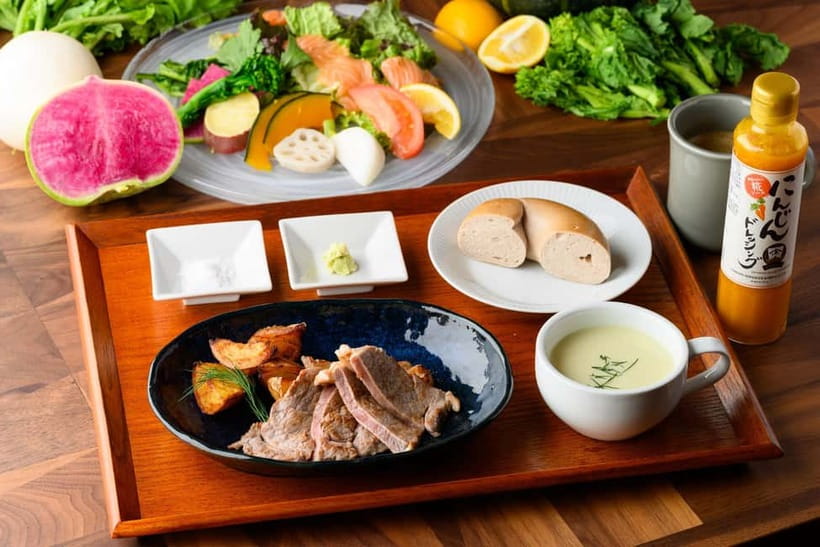
Lunch runs from 1:00 to 2:00, and it is not an afterthought. The standard meal is a koji beef steak lunch course, with fermented ingredients worked into several parts of the meal.
Past menus and descriptions point to a substantial spread that can include salad, soup, steak, bread or a bagel, and seasonings such as koji salt or amazake. Exact presentation may change, but the purpose is consistent: show how fermentation can appear across a full meal, not just in a small spoonful of miso.
This is where the educational part becomes practical. You can compare the gentle sweetness of amazake, the savory force of miso, and the seasoning effect of koji salt in separate dishes. The food is generous enough that you should not think of the lunch as a token sample.
A private dining area may be used for the tour group, which makes the meal feel calmer than a large public canteen. If you have dietary restrictions, email Yamato after booking. The standard lunch includes beef, so do not assume substitutions are automatic.
The lunch is also the strongest reason to compare this activity with a short tasting. At $77 per person, you are paying for a 150-minute program that combines a guided visit, a hands-on food activity, a full meal, and alcohol tastings. If you only want to buy miso, the price will feel high. If you want a structured food lesson with lunch included, the value is much better.
More Brewery Tours in Japan
- Kyoto: Insider Sake Brewery Tour with Sake and Food Pairing
★ 5.0 · 704 reviews - Takayama: Authentic Sake Tasting at a Historic Brewery
★ 5.0 · 65 reviews - Private Sake Brewery Visit and Tasting Tour in Hida
★ 5.0 · 65 reviews - Kyoto: Sake Brewery and Tasting Tour in Fushimi
★ 4.8 · 55 reviews
Doburoku tasting at 14:00
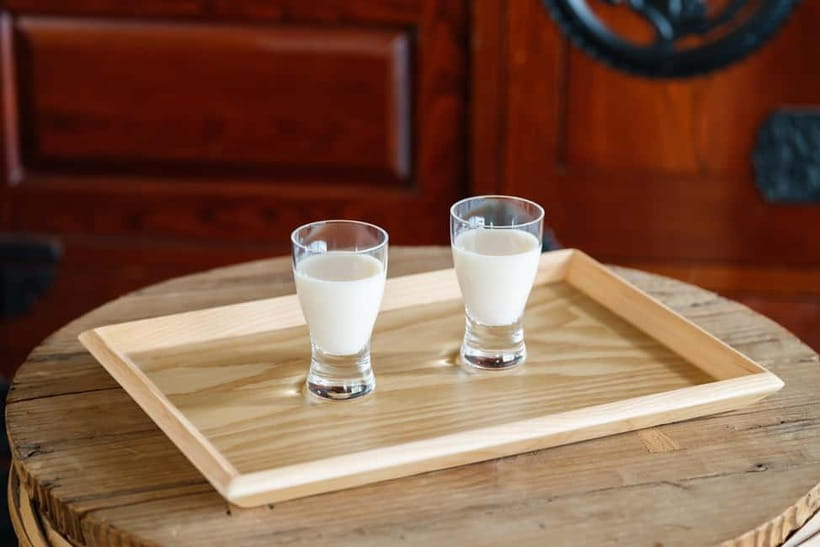
The final half hour focuses on doburoku, a cloudy fermented rice beverage. It contains koji, yeast, and lactic acid bacteria, and it is less filtered than the clear sake many people know.
You taste two easy-drinking craft versions, one flavored with yuzu and the other with black currant. The fruit flavors make the drinks approachable, but they are still alcoholic. The program description promises a gentle buzz, so treat this as a real tasting rather than a soft drink stop.
This is a fun finish because it connects several ideas from the tour. Koji helps begin the process, rice provides the base, and fermentation creates both flavor and alcohol. You do not need to be a sake expert to enjoy the comparison.
The activity is not suitable for anyone under 20. If you do not drink alcohol, the doburoku portion may be less important to you, although the tour still includes the site visit, soup-making, lunch, and other samples.
Shopping, cheesecake, and soy sauce ice cream
After the formal program ends, you can continue browsing at Koji Park. The product showroom is the meeting point, so shopping fits naturally before or after the tour.
Look for miso, soy sauce, amazake, koji-based seasonings, doburoku, and other food products. Some samples and product demonstrations may include sake, hand cream, or similar items connected with the brewery’s range. The selection is useful for building edible souvenirs, especially if you want something more local than a standard box of sweets.
The site also offers cheesecakes, pudding, and soy sauce ice cream. The ice cream sounds strange until you remember that soy sauce can bring a salty, savory edge to sweet foods. It is one of the more playful tastes associated with the visit.
Allow a little time after the scheduled 2:30 finish if you want to shop or try dessert. The tour itself is tightly timed, and rushing away immediately would mean missing part of the Koji Park experience.
Getting to Oonomachi from Kanazawa Station
Yamato Koji Park is at 4-I-170 Oonomachi, Kanazawa, Ishikawa 920-0331. It is about 15 minutes by car from Kanazawa Station, but the public bus takes longer and requires attention to the route.
From the station, walk about three minutes from the West Exit to the Nakabashi bus stop under the Nakabashi overpass. Take Hokutetsu Bus Line 61 toward Ono. The ride takes roughly 30 minutes. Get off at the final stop, Ono, then walk three to eight minutes toward Minato Bridge.
For the return trip, use Line 34 toward Takao or Kanazawa Institute of Technology. Get off at Nakabashi to return to the station.
Check current times on the Hokutetsu bus website before setting out. The route is manageable, but this is not a place where you should simply leave the station and expect frequent, obvious service. A taxi is worth considering if you are traveling with limited time or want a simpler arrival.
The tour starts at noon, so allow a generous margin. Arriving late could mean missing the opening talk, and the bus connection is the least flexible part of the day.
Who will get the most from this experience
I would choose this for you if food is one of your main ways of understanding a place. You do not need to be a home cook, but curiosity helps. The tour is especially well suited to people who want to know why miso, soy sauce, sake, and amazake taste the way they do.
It also works well for:
- Couples looking for a food-focused change from Kanazawa’s major sights
- Small groups who prefer conversation over a large class
- Anyone interested in Japanese pantry traditions
- Visitors who want English-language guidance
- People who enjoy taking edible souvenirs home
- Adults interested in sake and regional drinks
I would be more cautious if you want a working factory tour with access to active production areas. You will see the exterior and learn about the operation, but the production rooms are not part of the visit.
The activity may also be less appealing if you dislike fermented flavors, beef, or alcohol. Dietary restrictions can be discussed by email after booking, but the regular lunch is the koji beef steak course.
Is $77 a fair price?
For 150 minutes, the cost is reasonable if you plan to use all parts of the program. You receive a guided tour, an English or Japanese guide, a miso-making activity, two miso tastings, a full lunch, and two doburoku samples.
The price also covers something harder to measure: access to a family-run site and direct explanation of a food tradition that can otherwise seem mysterious. Meeting Yamamoto and Yukiko can make the business feel personal rather than packaged for quick sightseeing.
The value drops if you are mainly interested in shopping. You can visit the showroom without turning the outing into a half-day paid activity, but the tour adds the context, lunch, and tastings that justify the fee.
Free cancellation up to 24 hours ahead and reserve-now, pay-later terms make planning easier. The site is closed Tuesdays, Wednesdays, and during the New Year holiday, so check the operating calendar before arranging your day around it.
Should you book the Yamato fermentation tour?
Yes, if you want an engaging food experience with a real sense of place. The best parts are the clear koji explanation, the comparison of six and 12-month miso, the generous fermented-food lunch, and the friendly guidance from Yamamoto and Yukiko.
Book it with realistic expectations. This is not a full factory-floor visit, and getting there by bus takes more effort than reaching central Kanazawa. But if you plan the ride, the $77 fee buys far more than a tasting: it gives you a useful lesson in Japanese food culture, a proper meal, and a chance to bring the flavors home.
FAQ
Where does the Kanazawa fermentation tour meet?
The meeting point is Hishiho-Gura, the product showroom at Yamato Koji Park, 4-I-170 Oonomachi, Kanazawa, Ishikawa 920-0331, Japan.
How long does the experience last?
The scheduled program lasts 150 minutes, from noon until 2:30 p.m. when offered at those times.
What languages are available?
The tour is offered in English and Japanese.
How large is the group?
The activity is limited to eight participants.
Does the tour enter the miso and soy sauce production rooms?
No. You tour the exterior of the factory complex and learn about its history, but you do not enter the rooms where miso and soy sauce are actually produced.
What food is included at lunch?
The default meal is a koji beef steak lunch course made with koji and other fermented ingredients. If you have dietary restrictions, email Yamato after booking.
What happens during the miso soup activity?
You make your own miso soup using simple recipes, ingredients, and rented utensils. You also compare two miso pastes aged for six and 12 months.
What drinks are included in the tasting?
You taste two types of doburoku, a cloudy fermented rice drink. The standard flavors are yuzu and black currant.
How do I reach Yamato Koji Park by bus?
Walk from Kanazawa Station’s West Exit to the Nakabashi bus stop, take Hokutetsu Bus Line 61 toward Ono for about 30 minutes, get off at Ono, and walk three to eight minutes toward Minato Bridge.
Who cannot take this activity?
The experience is not suitable for people under 20 years old. It is also closed Tuesdays, Wednesdays, and during the New Year holidays.
More Tours with Lunch in Japan
- Epic Yarra Valley Wine Tour + Lunch, Chocolate & Gin/Beer Option
★ 5.0 · 1,819 reviews - Margaret River Wine, Brewery & Distillery Tour with Lunch
★ 4.5 · 488 reviews - Margaret River Winery, Brewery Tour with Gourmet Lunch.
★ 5.0 · 401 reviews - Key West: All-Inclusive Watersports Adventure with Lunch & Beer
★ 4.5 · 351 reviews
More Beer Tours with Lunch in Japan
- Kyoto Sake Brewery Tour with Lunch
★ 4.5 · 12 reviews - Sake & Seasonal Delights Sake Pairing Lunch at the Brewery
★ 5.0 · 8 reviews - Paris: 3-Course Lunch at Eiffel Tower’s Madame Brasserie
★ 4.3 · 2,361 reviews - Paris: Eiffel Tower’s Madame Brasserie 3-course lunch 12:00
★ 4.4 · 1,957 reviews
Just added around Japan
- Private Sake Tasting at 300 Years Old Sake Brewery in Tokyo★ 5.0 · 3 reviews
- Takayama: Authentic Sake Tasting at a Historic Brewery★ 5.0 · 65 reviews
- Rural Brewery Town Walk: Half-Day Private Tour Near Kyoto★ 5.0 · 7 reviews
- 1-Day Sapporo Historical Village and Sapporo Beer Museum Tour★ 5.0 · 3 reviews
- Sapporo Tour in the Port City of Otaru and Local beer brewery★ 5.0 · 3 reviews
- Cultural Sake Brewery Private Tour & Unlimited Tasting Near Tokyo★ 5.0 · 4 reviews
- Unique Brewery Tour and One-of-a-Kind Sake Tasting Near Tokyo★ 5.0 · 17 reviews
- Sake “Omakase” in Osaka : Guided Tasting by a Active Sake brewer★ 5.0 · 11 reviews
Japan Beer Tours, compared.

Insider Sake Brewery Tour with Sake and Food Pairing
Read our review →
KOBE Sake Tasting Tour at Breweries (tasting fee included)
Read our review →
Hiroshima Saijo Sake Tasting Tour with visit to 7 Breweries
Read our review →
Takayama: Authentic Sake Tasting at a Historic Brewery
Read our review →
Private Sake Brewery Visit and Tasting Tour in Hida
Read our review →
Browse the lists this tour appears in