
REVIEW · JAPAN
Nishinomiya: Sake Brewery Tour Near Kobe – Visit 3 Breweries
Nishinomiya is one of Japan’s key sake-making towns, and this three-hour walk gives you a useful look at why. You visit Hakushika, Hakutaka, and Nihon Sakari, tasting each brewery’s take on the drink rather than settling for one polished museum stop.
I like the variety and the human touch. You can taste more than eight kinds, including junmai and junmai daiginjo, while guides such as Julien, Aki, and Kaito explain sake, Ebisu, and Japanese customs in clear, personal terms. The drawback is simple: this is a walking tour, with about 55 minutes on foot, and the pace may feel brisk after several tastings.
Key points at a glance
- Three breweries in one compact district: Compare Hakushika, Hakutaka, and Nihon Sakari rather than judging Nishinomiya sake from a single sample.
- More than eight tastings may be offered: The range can include junmai through junmai daiginjo, with different aromas, textures, and levels of polish.
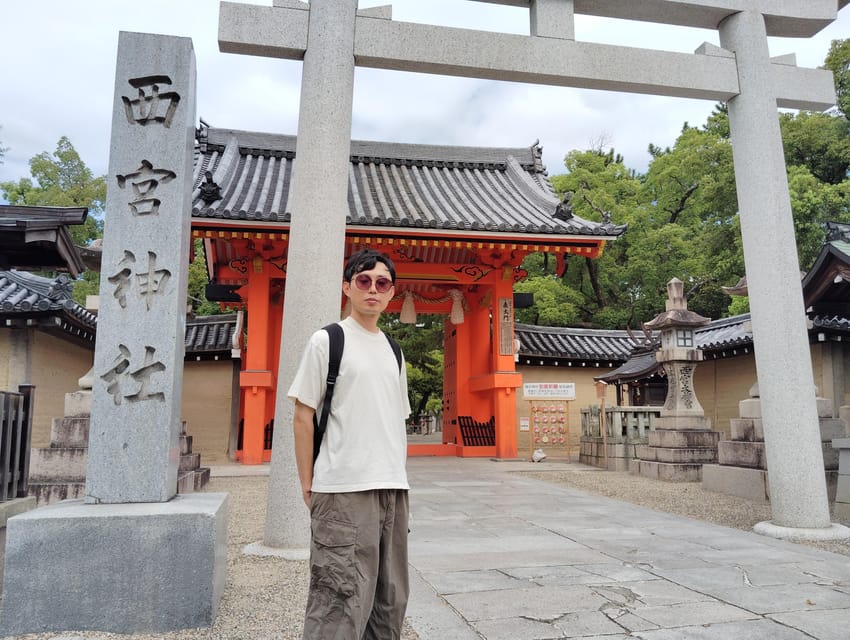
- A cultural start at Nishinomiya Jinja: The visit adds local context about Ebisu before the sake stops begin.
- English and Japanese guiding: Guides including Julien, Aki, and Kaito have led tours with different strengths and personal styles.
- A station-to-station route: Meet at Hanshin Nishinomiya Station and finish at Imazu Station, so you do not need to return to the starting point.
- Good value for serious tasters: At $74, the price includes guiding and tastings across three breweries, not just a single drink flight.
Why Nishinomiya is a smart place to learn sake
Nishinomiya sits between Kobe and Osaka, on Honshu’s well-known sake coast. It is not simply a convenient suburb for a brewery visit. The town has built its identity around sake production, and this route lets you see that tradition in its own setting.
The tour begins at Hanshin Nishinomiya Station, in front of the Ebisu-Guchi ticket gate. Look for the guide holding the yellow DeepExperience sign. This is a practical meeting point, especially if you are exploring Kobe or Osaka and want a half-day activity without arranging a complicated transfer.
The route links a shrine, a sake museum or cultural facility, and three brewery-related stops. That mix matters. Sake makes more sense when you understand the place where it is made, the local religious traditions around it, and the businesses that have carried the craft forward.
You will walk between stops, with sections of about five, 15, and 15 minutes. The route is manageable for most people who are comfortable walking in town, but it is not a sit-down tasting session. Wear comfortable shoes, and leave some room in your day for bottles or gifts if you find a favorite.
More Brewery Tours in Japan
- Kyoto: Insider Sake Brewery Tour with Sake and Food Pairing
★ 5.0 · 704 reviews - Kyoto Sake Brewery & Tasting Walking Tour
★ 5.0 · 623 reviews - KOBE Sake Tasting Tour at Breweries (tasting fee included)
★ 5.0 · 154 reviews
Starting with Ebisu at Nishinomiya Jinja
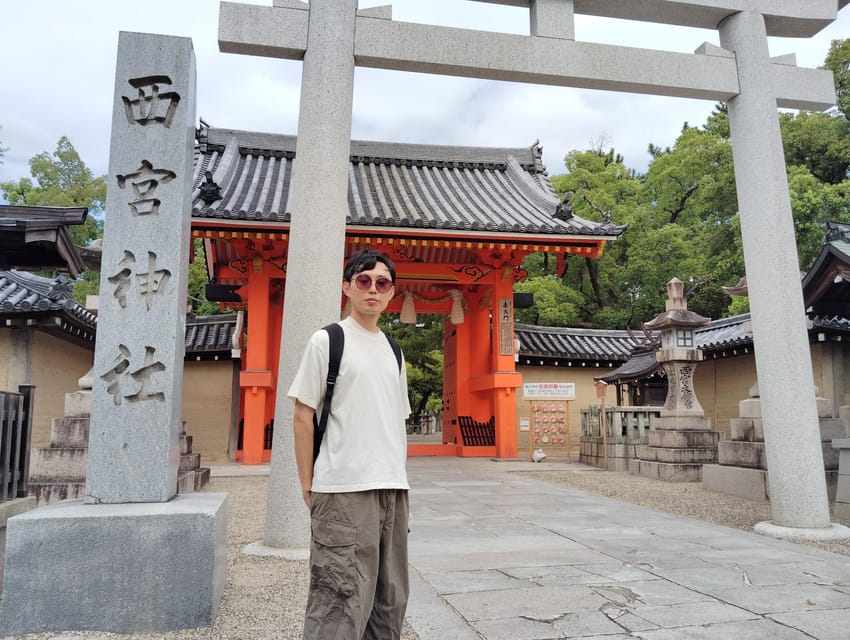
After meeting your guide, you walk about five minutes to Nishinomiya Jinja, also called Nishinomiya Ebisu. The guided visit lasts about 15 minutes, so this is an introduction rather than a long shrine tour.
That short stop gives the experience a wider frame. You are not only learning how rice becomes sake. You are also seeing one of the local places connected with Ebisu, a Japanese deity associated with good fortune and commerce. A guide can help explain why this setting matters before you move on to the breweries.
I like this beginning because it prevents the tour from feeling like a row of tasting counters. You get a quick sense of Nishinomiya as a lived-in Japanese town, not just a production district built for visitors.
Do not expect an extended religious history lesson here. The visit is brief, and the main subject remains sake. Still, those 15 minutes add useful context without taking too much time from the tastings.
Hakushika Rokusuien and the first sake lesson
From the shrine, you walk about 15 minutes to Hakushika Rokusuien. This is one of the main cultural and brewery-related stops, with about 20 minutes set aside for a guided visit and tasting.
Hakushika is described through its fragrant, crisp style. That makes it a friendly opening for a sake tour. You can focus on the basic differences between aroma and taste without being asked to sort through a long list of technical terms right away.
The facility helps connect the bottle to the work behind it. You learn about the selection of rice, fermentation, and the way older brewing methods meet newer approaches. The point is not to turn you into a brewer in 20 minutes. It is to show you that sake has several stages, and small choices can affect the final character.
If this is your first proper sake tasting, pay attention to three things: the smell before you sip, the texture across your tongue, and the finish after swallowing. A crisp sake may feel clean and quick, while a more aromatic one may stay with you longer. These simple observations will help you compare the next two breweries.
The 20-minute stop is useful, but it is also short. You will get an introduction and tasting rather than a long production-floor visit. The exact balance between museum material, brewing explanation, and sampling can depend on the day and the guide.
Comparing Hakutaka’s clean, sharp character
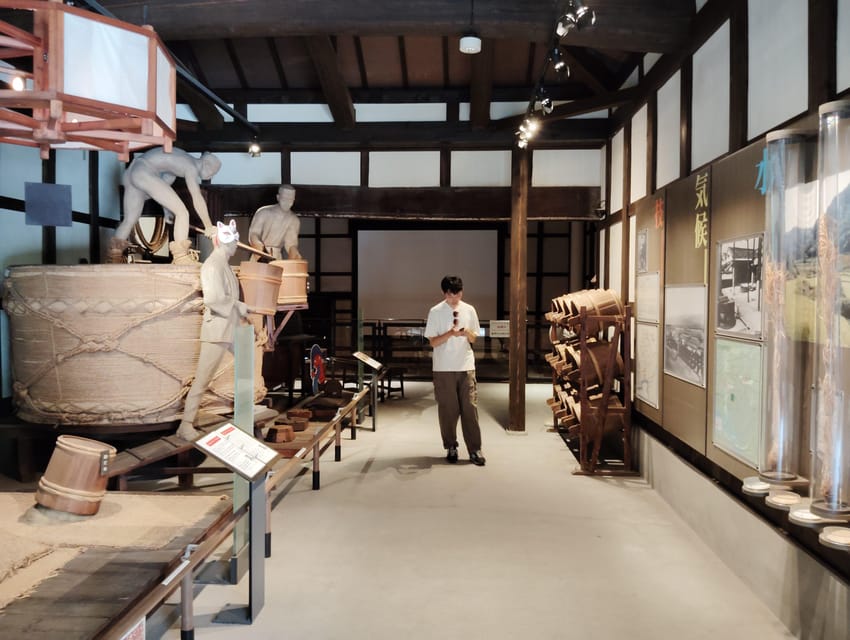
The next stop follows a short five-minute walk. The itinerary allows about 40 minutes for a guided brewery visit, followed by another 20-minute guided tasting stop. Together, these sections give you more time to compare the breweries instead of rushing from one sample to another.
Hakutaka is presented as a contrast to Hakushika. Its aroma is more restrained, while the taste is sharp and clean. This is the kind of difference that can be hard to understand from a menu description but much easier to notice when you taste one style soon after another.
I find this comparison one of the best reasons to choose the tour. Sake labels can be confusing when you are standing alone in a shop. Here, you can ask what you are tasting and consider the answer with the glass in front of you.
The longer 40-minute guided portion should also give you more room for questions. Ask about the role of rice, fermentation, and the terms used for different sake types. If your guide is Julien, Aki, or Kaito, you may get a slightly different tone and set of examples, since each has been praised for a distinct way of explaining Japanese culture and sake.
The tasting may include several pours rather than one standard house sake. One visitor sampled more than eight kinds across the tour, from junmai to junmai daiginjo. That is enough range to show why sake is not one single flavor category.
More Sake Brewery Tours in Japan:
- Hiroshima Saijo Sake Tasting Tour with visit to 7 Breweries
★ 5.0 · 104 reviews - Takayama: Authentic Sake Tasting at a Historic Brewery
★ 5.0 · 65 reviews - Private Sake Brewery Visit and Tasting Tour in Hida
★ 5.0 · 65 reviews - Kyoto: Sake Brewery and Tasting Tour in Fushimi
★ 4.8 · 55 reviews
Nihon Sakari and the most aromatic pour
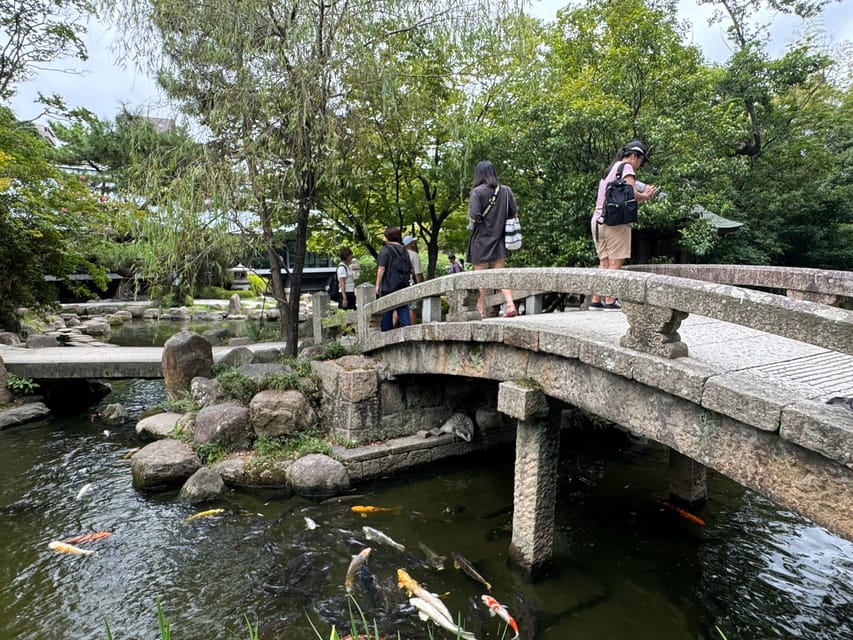
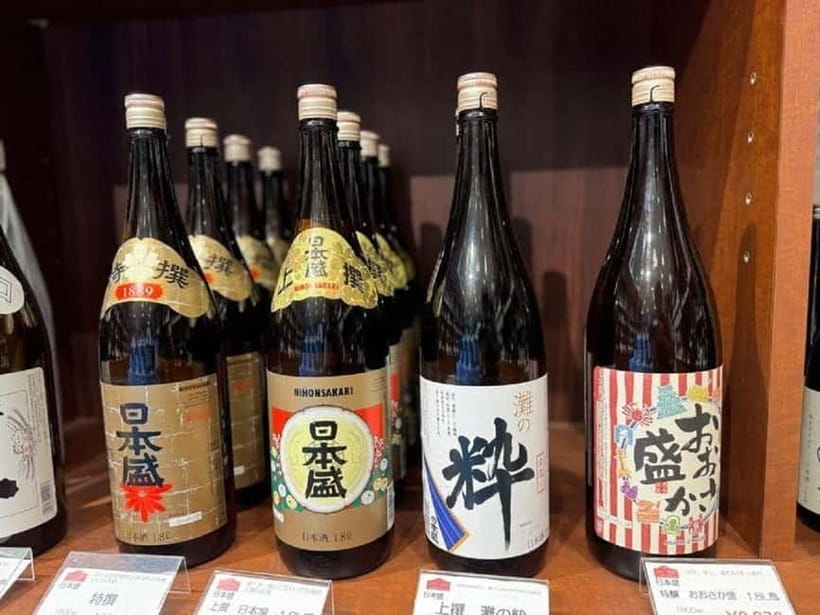
After the Hakutaka portion, the route continues on foot for about 15 minutes to the final brewery stop, Nihon Sakari. You have about 20 minutes for the guided visit and tasting.
Nihon Sakari is known here for an especially aromatic style. That gives the day a clear progression: Hakushika offers fragrance and crispness, Hakutaka brings a quieter nose with a sharp, clean taste, and Nihon Sakari puts aroma more firmly at the front.
The exact tasting order can shape your impressions. By the time you reach the last stop, you will have a better vocabulary for describing what you like. You may prefer a clean sake that disappears quickly, or one with a stronger scent and longer finish. Neither choice is more correct. The value is in learning your own preference.
This is also where the tour’s format can test your palate. Several tastings over three hours may sound modest, but the samples add up. Take the explanations seriously, sip slowly, and avoid treating each stop as a race. The schedule is designed for comparison, not for hurried drinking.
What you actually learn about making sake
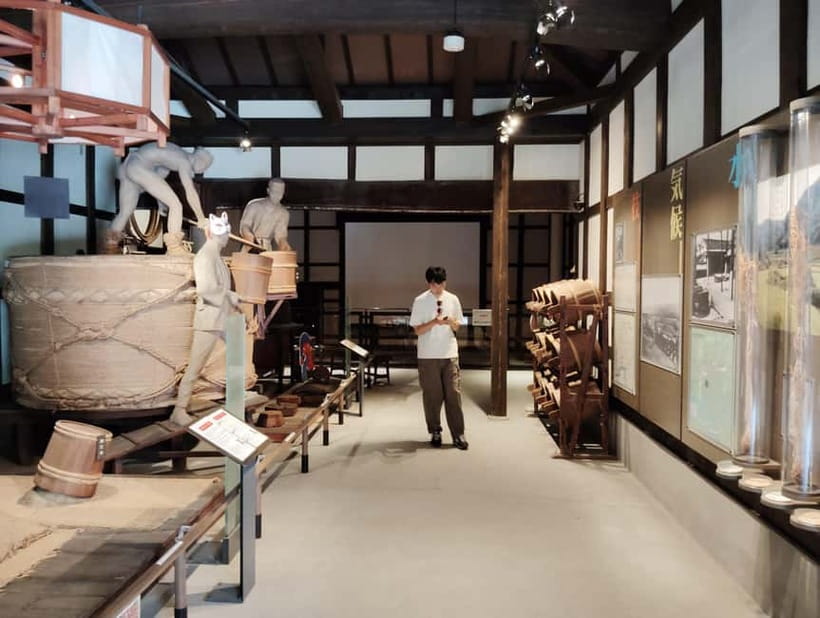
The tour introduces the central stages of sake production without pretending to offer a full brewing course. You learn about choosing rice and the fermentation process, along with the balance between traditional techniques and modern innovation.
That basic structure is enough to make the tastings more meaningful. Rice is not just a neutral ingredient, and fermentation is not an afterthought. Those choices help shape aroma, body, sharpness, and finish.
You also hear about the local practices that made Nishinomiya a major sake center. The town’s breweries have different identities, and the three-stop route gives you a direct way to compare them.
I appreciate that the cultural explanations go beyond production. The guides can discuss Ebisu, Japanese customs, and the difference between past and present traditions. That wider conversation was one of the strongest features of the experience for me as a reviewer because it gives the drink a social setting.
Still, the depth depends partly on your guide and the size of your group. A private or small-group option allows more questions and a more personal pace. A larger group may give you less time to linger over each point.
How the $74 price holds up
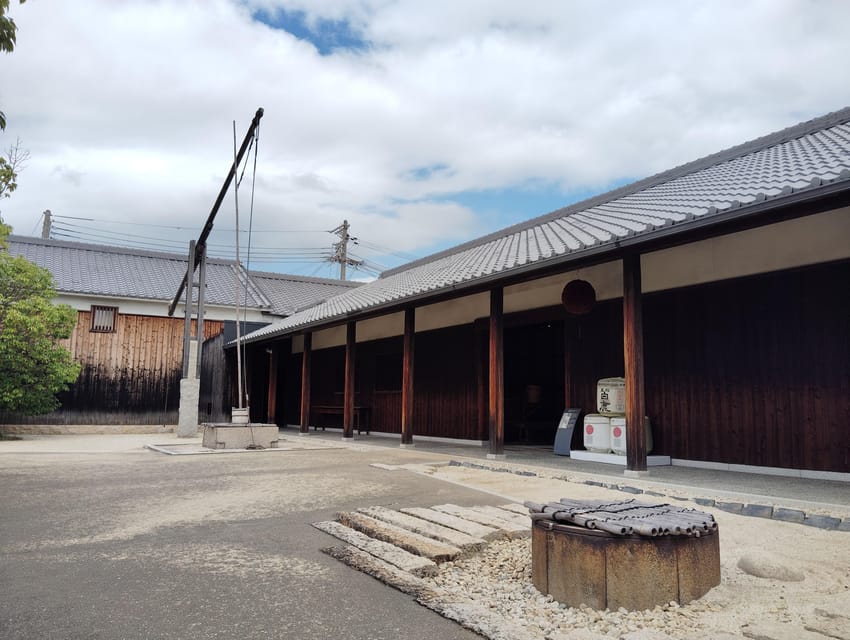
At $74 per person, this tour costs more than visiting one shop for a single tasting. The fair comparison, though, is not one drink against three hours. The fee covers the guide and sake tasting fees across three brewery settings, plus the shrine and cultural stops.
That makes the price reasonable for someone who wants structure. You do not have to research which breweries are open, work out the walking route, or guess what to order. You also get translations and explanations in English or Japanese, which can make a major difference when technical terms enter the conversation.
The value becomes stronger if you enjoy comparison. You are not just tasting three versions of the same house pour. You can sample several styles, including junmai and junmai daiginjo, and some tastings may include more than eight kinds in total.
There is another practical benefit: bottles may be available for purchase at reasonable prices, including some that are exclusive to the tasting location. If you intend to buy sake, ask your guide which bottles are best suited to your taste and how long they will keep. Do not feel obliged to buy, but the route can make it easier to choose with confidence.
The price is less attractive if you want a long technical brewery tour, a large meal, or a relaxed afternoon with lots of free time. None of those are promised. This is a focused walking and tasting experience.
The guides make the difference
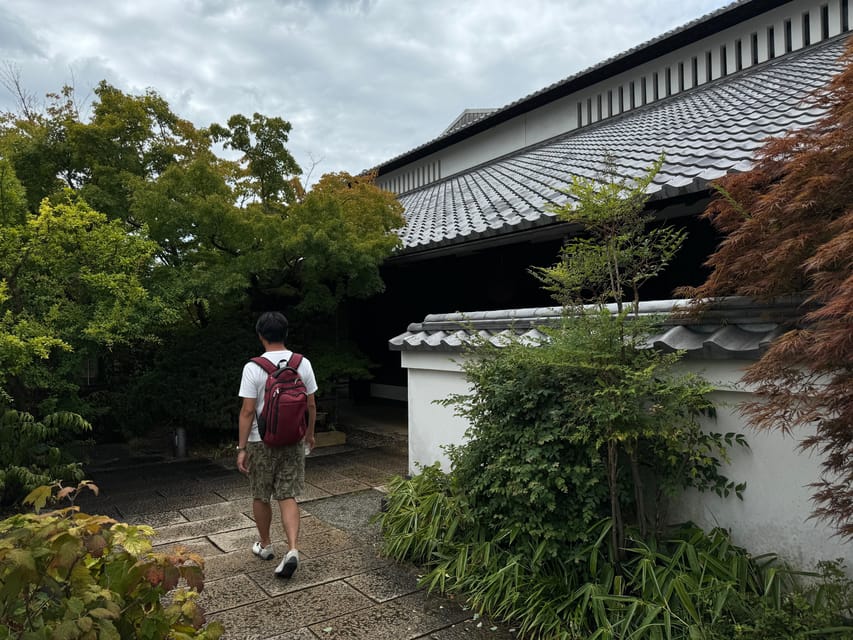
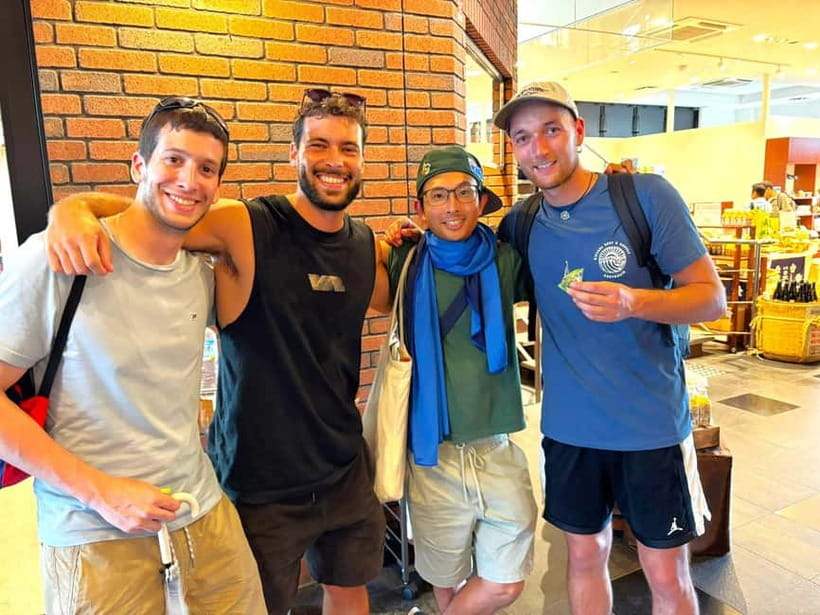
The available guides speak English or Japanese, and the human side of the tour matters. Julien has explained sake alongside Japanese culture and Ebisu. Aki has been described as passionate and engaging while discussing production and tastings. Kaito has connected the sake-making process with both older and modern Japanese culture.
You may not be assigned a particular guide, so book this for the format and route rather than for a guaranteed personality. Still, those examples show the kind of guidance you can expect: not only tasting notes, but also local stories and cultural explanation.
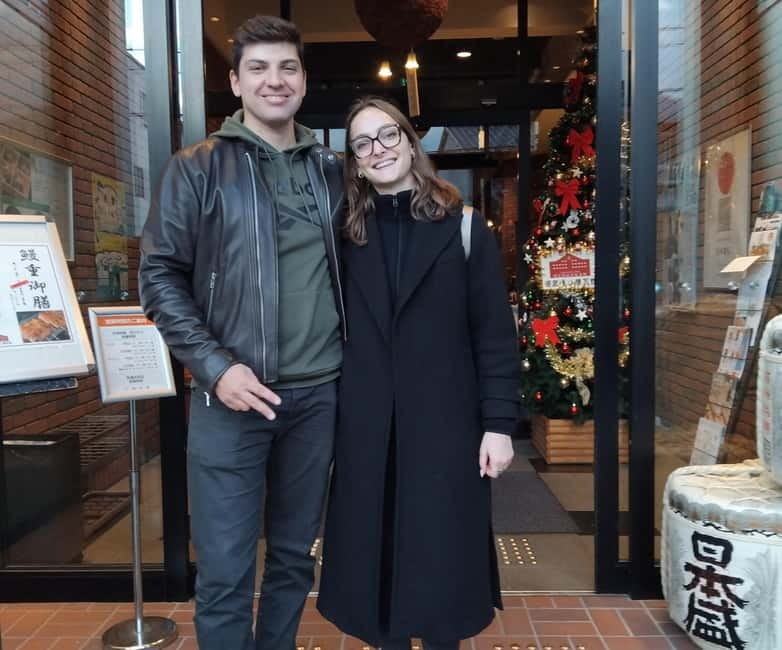
The private or small-group format is worth considering if you have a lot of questions or are new to sake. One small party received a very personal visit, with the guide able to adjust the discussion to the couple. That kind of attention is harder to provide in a large group.
Who will enjoy this three-hour walk
This tour suits you best if you enjoy food and drink with a local setting. It is also a good choice if you are staying in Kobe or Osaka and want an activity that takes you beyond the most familiar city sights.
You do not need to be a sake expert. In fact, beginners may gain the most because the three breweries provide an easy comparison. The tour gives you enough background to order more confidently later in Japan.
It also works well for people who like cultural context. The shrine visit, discussion of Ebisu, and explanations of past and present customs add more than a standard tasting flight.
You should think twice if you dislike walking, prefer a slow meal-based experience, or want to inspect every stage of commercial brewing in detail. The route covers several stops in three hours, so the day has a clear rhythm and limited spare time.
Practical details before you book
Meet your guide in front of the Hanshin Nishinomiya Station Ebisu-Guchi ticket gate. The yellow DeepExperience sign is the marker to look for, so arrive with enough time to find the correct gate.
The tour lasts three hours and finishes at Imazu Station. That station-to-station design is convenient because you do not have to retrace your steps to Nishinomiya Station.
English and Japanese tours are available. Private and small-group arrangements are offered, and the starting time depends on availability.
You can cancel up to 24 hours ahead for a full refund, and the reserve-now, pay-later option keeps your plans flexible. These terms are useful if your Kobe or Osaka schedule is still changing.
Should you book the Nishinomiya sake tour?
I would book it if you want a guided introduction to sake that combines three producers, local culture, and a manageable half-day route. The strongest reason is the comparison: Hakushika, Hakutaka, and Nihon Sakari give you noticeably different reference points, while the tastings help you decide what you actually enjoy.
The tour is especially good for first-time sake drinkers, curious food travelers, and anyone who wants a smaller setting with room for questions. It is also a sensible choice if you would rather have a guide arrange the route than piece together brewery visits on your own.
Skip it if you want a full meal, a long production visit, or a completely sedentary tasting. Otherwise, $74 is a fair price for three hours of walking, explanation, and a broad sake sample. Wear good shoes, pace yourself, and keep a little space in your luggage for a bottle that earns its place.
FAQ
Where does the sake tour meet?
Meet your guide in front of the Hanshin Nishinomiya Station Ebisu-Guchi ticket gate. The guide will hold a yellow sign with the DeepExperience logo.
Where does the tour finish?
The tour finishes at Imazu Station.
How long does the experience last?
The experience lasts three hours.
Which breweries are included?
The route includes Hakushika, Hakutaka, and Nihon Sakari.
Is sake tasting included in the price?
Yes. The price includes the guide fee and sake tasting fee.
What languages are available?
The tour is available with a live guide in English or Japanese.
Can I book a private or small-group tour?
Yes. Private or small-group options are available.
Can I cancel for a full refund?
Yes. You can cancel up to 24 hours in advance for a full refund.
Just added around Japan
- Private Sake Tasting at 300 Years Old Sake Brewery in Tokyo★ 5.0 · 3 reviews
- Takayama: Authentic Sake Tasting at a Historic Brewery★ 5.0 · 65 reviews
- Rural Brewery Town Walk: Half-Day Private Tour Near Kyoto★ 5.0 · 7 reviews
- 1-Day Sapporo Historical Village and Sapporo Beer Museum Tour★ 5.0 · 3 reviews
- Sapporo Tour in the Port City of Otaru and Local beer brewery★ 5.0 · 3 reviews
- Cultural Sake Brewery Private Tour & Unlimited Tasting Near Tokyo★ 5.0 · 4 reviews
- Unique Brewery Tour and One-of-a-Kind Sake Tasting Near Tokyo★ 5.0 · 17 reviews
- Sake “Omakase” in Osaka : Guided Tasting by a Active Sake brewer★ 5.0 · 11 reviews
Japan Beer Tours, compared.

Insider Sake Brewery Tour with Sake and Food Pairing
Read our review →
KOBE Sake Tasting Tour at Breweries (tasting fee included)
Read our review →
Hiroshima Saijo Sake Tasting Tour with visit to 7 Breweries
Read our review →
Takayama: Authentic Sake Tasting at a Historic Brewery
Read our review →
Private Sake Brewery Visit and Tasting Tour in Hida
Read our review →
Browse the lists this tour appears in