
REVIEW · JAPAN
Hokkaido Sapporo :Hill of Buddha, Beer Museum & Fish Market
Sapporo’s best day trips mix grand design, old traditions, local food, and a soak in mountain hot spring water. This one packs those contrasts into a single bus tour, from the quiet Hill of the Buddha to the lively seafood stalls and the cheerful world of Shiroi Koibito Park.
I like the variety, especially the chance to see Tadao Ando’s spare concrete architecture and then relax at Jozankei Onsen. I also like the small-group feel, with about 10 people reported on one outing and a friendly guide and driver. The tradeoff is pace: some stops may feel too brief, while the fish market can take more time than it deserves.
Key points to know before booking
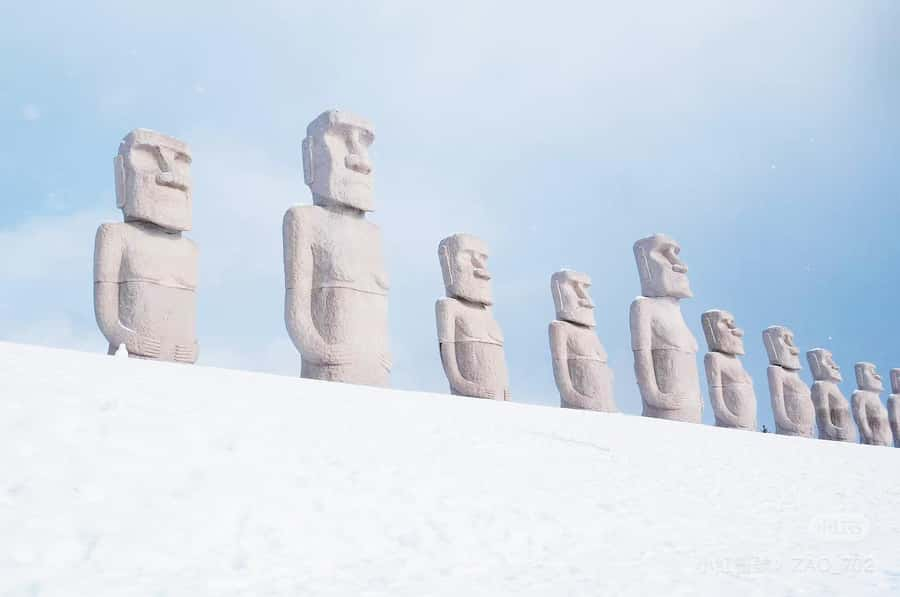
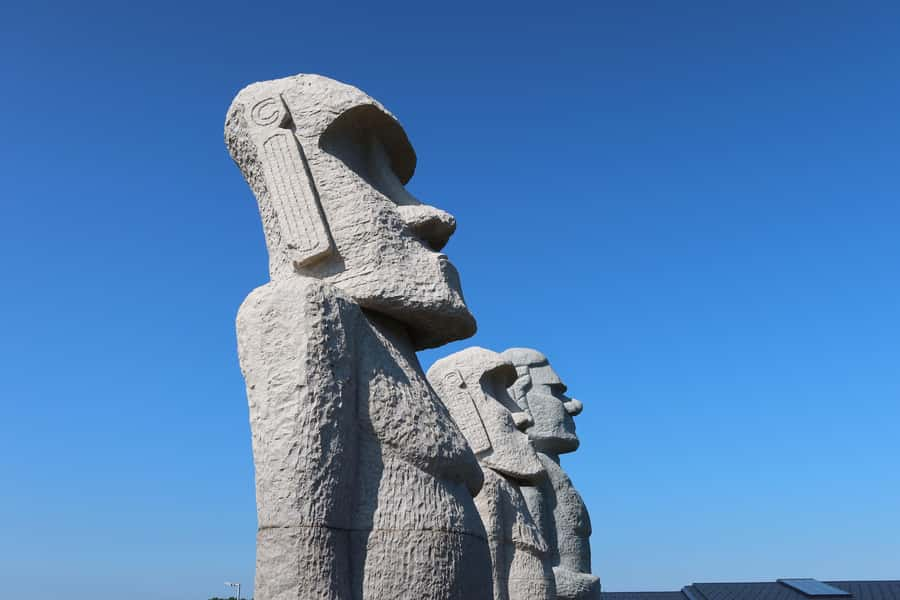
- The Hill of the Buddha is the visual highlight: Tadao Ando’s design makes the statue feel calm, distant, and carefully framed.
- The itinerary changes with the season: Spring and summer differ from autumn and winter, though the core attractions remain similar.
- Jozankei Onsen adds real downtime: You can stroll, use a free foot bath, or pay for a full hot spring soak.
- Lunch is not included: Plan to pay cash for seafood, and remember that the market stop may be early for a full meal.
- Museum extras cost more: Beer tasting and the paid section of Shiroi Koibito Park are optional and not included in the $64 price.
- This is an independent-exploring tour: The guide helps with logistics, but you should not expect long explanations at every stop.
Why this Sapporo day tour works
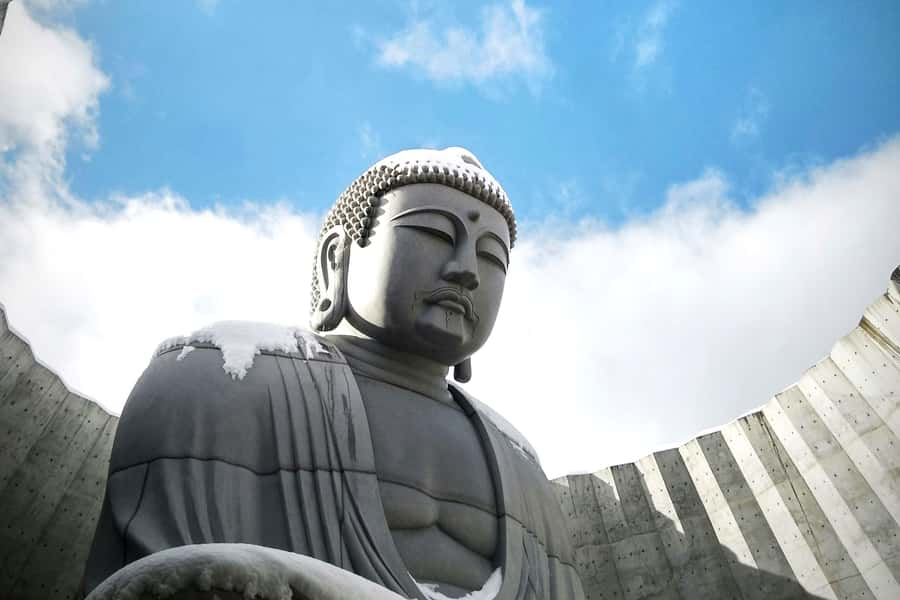
At $64 per person, this is a reasonably priced way to cover several far-flung Sapporo sights without arranging separate buses, trains, or taxis. The bus fare and admission to the Hill of the Buddha are included, which gives the price a useful base value.
You are paying mainly for transport and a structured day, not an all-inclusive sightseeing package. Lunch, beer tasting, and the paid Shiroi Koibito Park area come separately. That is useful if you prefer to control your spending, but less convenient if you want every cost handled in advance.
The tour is best for you if you want a broad introduction to Sapporo rather than a slow, expert-led study of one neighborhood. You will see cultural sites, modern architecture, food stops, industrial history, and a hot spring resort in one day. It is a lot of ground, so the experience rewards curiosity and flexibility.
The group may be small, with one outing carrying about 10 people. That can make boarding, questions, and meeting the guide easier than on a large coach tour. Still, the guide’s role appears to be more practical than deeply interpretive. You will often have time to explore on your own, so read a little about each stop beforehand if context matters to you.
More Market Tours in Japan:
- Cancun Taco Tour, Local Beer and Night Market with Transportation
★ 5.0 · 816 reviews - Cologne Christmas Market and Kölsch Beer Small-Group Tour
★ 5.0 · 29 reviews - Private Market Tour, Cooking Class in Mexico City with Alex & Ale
★ 5.0 · 25 reviews
The Hill of the Buddha and Tadao Ando’s quiet design
The Hill of the Buddha is not just a statue visit. It is an architectural experience built around a large seated Buddha, with the surrounding structure designed by Tadao Ando.
Ando is known for using concrete, light, open space, and carefully controlled views. Here, the design creates a strong sense of arrival and stillness. The statue does not simply sit in an open field. It is framed by the building and the approach, making the visit feel more contemplative than a quick photo stop.
I would give this stop your full attention. Look at how the approach hides and reveals the statue, and notice the contrast between the solid concrete forms and the spiritual purpose of the site. It is a good example of how modern Japanese architecture can work alongside religious tradition without copying older temple styles.
Admission is included, which improves the value of the tour. Comfortable shoes still matter, since the day involves several stops and walking between different areas. The experience may be less satisfying if you want a guided explanation of every design detail, because much of the visit is self-directed.
Hokkaido Shrine and a small Shinto lesson
Hokkaido Shrine offers a different kind of atmosphere. After the clean modern lines of the Hill of the Buddha, you move into a place tied to Shinto practice and local tradition.
You may see people making offerings, praying, or taking part in a ceremony. A traditional wedding is also possible, though never guaranteed. The charm here is not a staged performance. You are seeing a living religious site where ordinary rituals continue as part of daily life.
Bring a 5-yen coin if you have one. The coin is associated with good fortune because its Japanese name sounds like go-en, a phrase connected with favorable connections and wishes coming true. It is a small detail, but it gives you a simple way to take part respectfully.
Keep your behavior quiet and observant. This is a place for worship as well as sightseeing. The guide may offer useful practical help, but do not expect a long formal lecture. The value comes from having time to notice the setting and understand how Shinto remains part of public life in Japan.
Shiroi Koibito Park, cookies, and a family-friendly change of pace
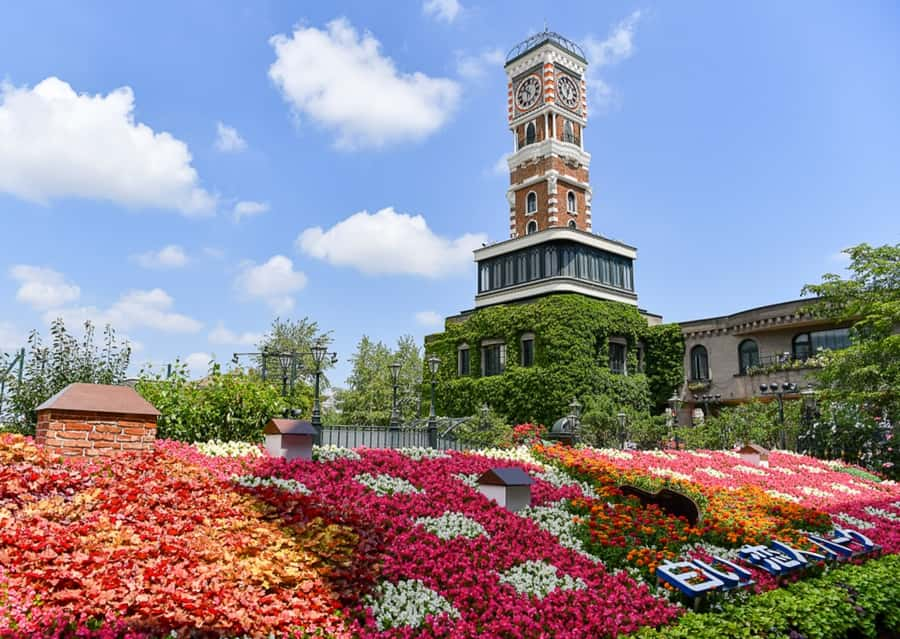
Shiroi Koibito Park brings a playful turn to the day. Its European-style buildings, seasonal decorations, music, and moving displays create a bright, almost theatrical setting.
You can watch the cookie-making process and explore the grounds. At every hour, music and moving displays add to the carnival-like feel. This makes the stop especially appealing if you enjoy food production, whimsical design, or are traveling with children.
The paid area is not included, so check what you want before spending extra. The free sections may be enough for a quick look, while the paid section is more relevant if you want a fuller factory-style visit.
Allowances for time matter here. One account of the day found the chocolate factory too short, while another felt the park was less impressive beyond the ice cream. That tells me this stop is highly dependent on your interests. Families and anyone curious about sweets may want more time. If you are mainly interested in historic sights, you may prefer a shorter visit.
More Shopping Trips in Japan:
- “Discover Hahndorf: Wine, Cheese, Beer, Shops & Lunch Day Trip”
★ 5.0 · 38 reviews - Self-Guided Craft Beer Tour (Explore Old Market)
★ 4.5 · 19 reviews - City tour and craft beers and cheeses at the local market
★ 4.0 · 17 reviews - Bristol: Old Market Self-Guided Craft Beer Tour
★ 4.6 · 11 reviews
Sapporo Beer Museum and the optional tasting
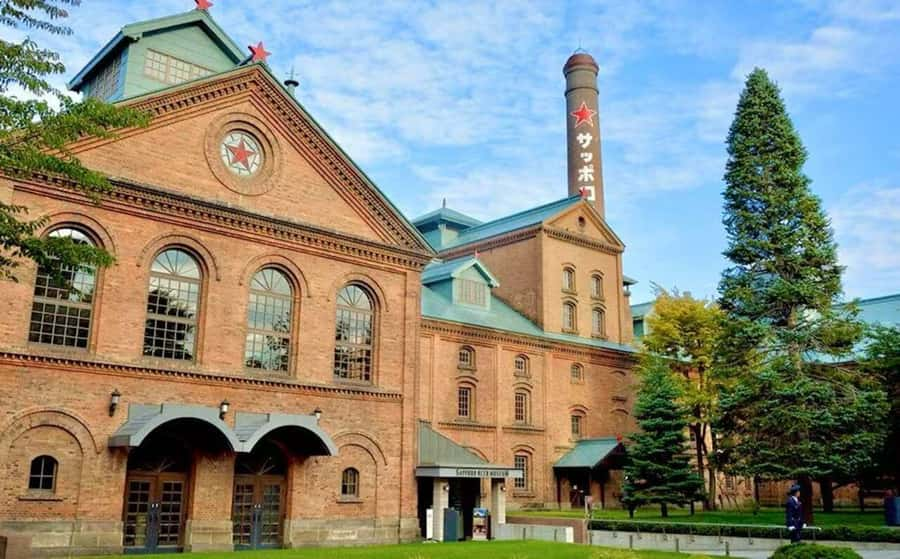
The Sapporo Beer Museum tells the story of one of Japan’s oldest beer brands through retro displays and brewing information. It is a useful stop for understanding how beer became part of Japan’s modern food and commercial culture.
The museum combines industrial history with a familiar local product. You can see how brewing developed and how the brand presented itself over time. The retro exhibits add character, though the depth of the visit depends on how much time the schedule allows.
Beer tasting is optional and costs extra. That arrangement is fair for a mixed group, since not everyone drinks alcohol. If you want to taste, carry cash and keep the extra charge in mind when judging the $64 price.
Time may be the main issue. Some visitors felt the museum deserved more time. If you enjoy food and drink history, you may leave wishing you had lingered over the displays and tasting. If you are less interested in beer, the scheduled visit should still provide a compact introduction without taking over the day.
Seafood at the Sapporo Central Wholesale Market Curb Market
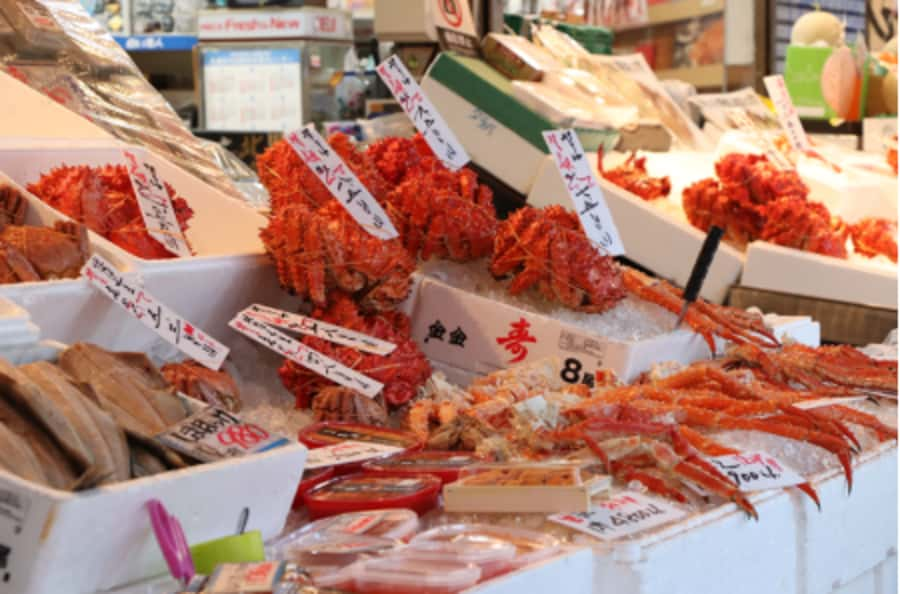
The seafood stop is meant to give you a taste of Sapporo’s connection to Hokkaido’s fishing industry. The market area has shops selling fresh fish and small restaurants where you can order a seafood meal.
Lunch is self-paid, so this is the point to budget for a bowl, set meal, or other seafood dish. Since the exact meal cost is not provided, bring cash and check prices before ordering. The lively setting can be fun, especially if you like choosing food on the spot rather than eating from a fixed tour menu.
There is an important catch: the stop may come early, and the area may feel more like a short street of seafood shops than a giant wholesale market. One account found the market portion too long and the meal timing awkward. That is useful to know. You may enjoy the food more than the shopping, and you may not need every minute of the stop.
I would treat this as a chance to eat fresh Hokkaido seafood, not as a major market exploration. If lunch is your priority, ask the guide how much time you have before choosing a restaurant. If you are not hungry yet, the stop may feel slow.
Jozankei Onsen gives the day room to breathe
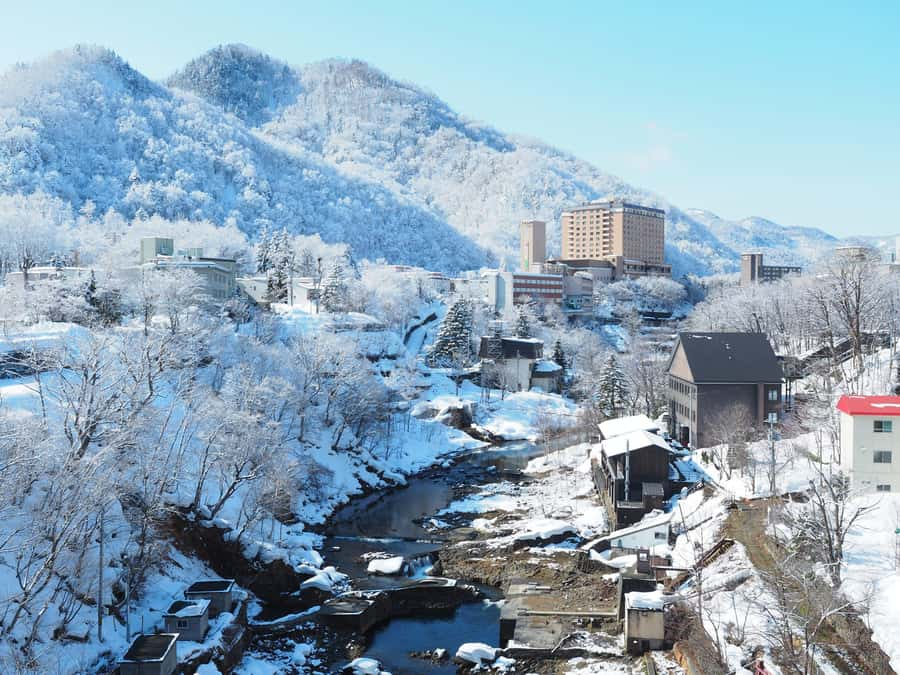
Jozankei Onsen is the most restful part of the route. This mountain hot spring resort offers a break from museums, buildings, and bus travel.
You can stroll through Futami Park, use free foot baths, or pay for a full-body soak. Bring a towel, as requested for the activity. You should also bring weather-appropriate clothing, since you may spend time outdoors between the bus and the hot spring areas.
The free foot bath is the easy choice if you want to relax without another admission fee. A full hot spring visit costs extra, but it gives the stop more purpose if soaking is one of your main reasons for booking.
Jozankei also helps balance the busy itinerary. A day filled with attractions can become a checklist, while a foot bath or quiet walk gives you time to slow down. The exact amount of time available will affect how satisfying this stop feels, so do not assume you will have hours for a full bathing visit.
The activity is not suitable for people with heart problems or mobility impairments. That matters here in particular, since hot spring facilities and outdoor paths may require physical effort. If you have concerns, choose a different Sapporo outing.
Seasonal changes and the importance of checking your option
The tour uses different itineraries for spring and summer, then autumn and winter. The order of stops may change, but the stated highlights remain the same.
That seasonal approach makes sense in Hokkaido. Outdoor walks, hot spring time, and the general rhythm of the day can feel different in warm and cold weather. You should dress for the forecast and wear comfortable shoes in every season.
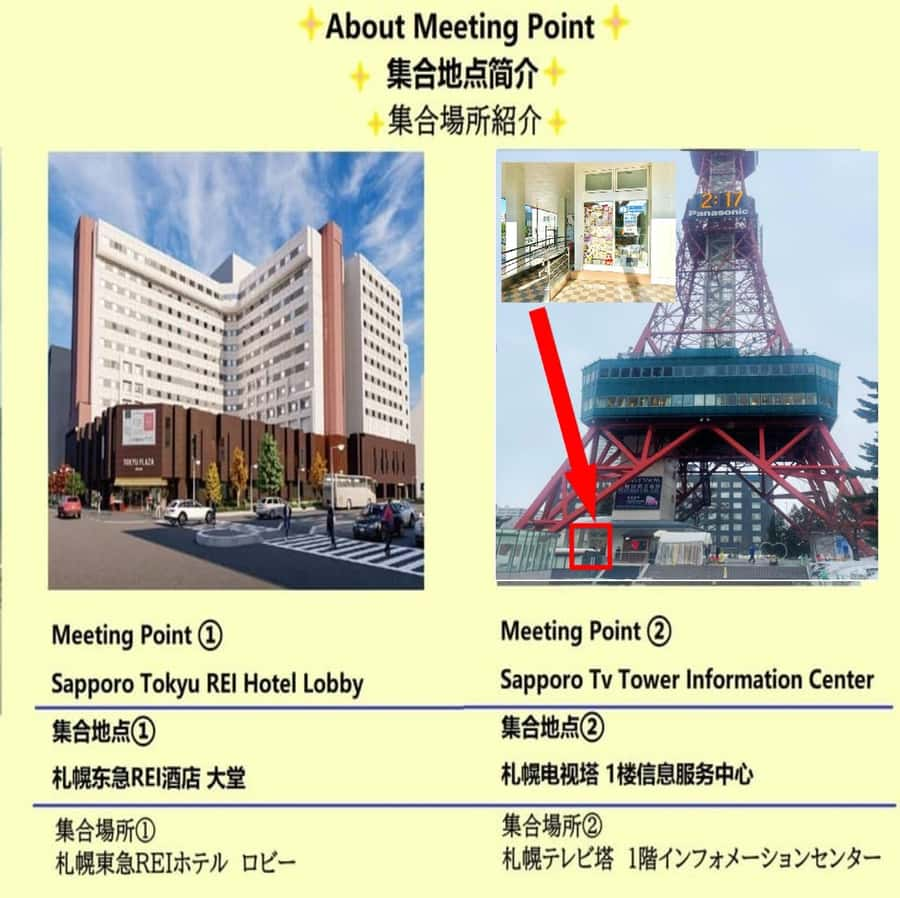
Meeting points vary by the option you book. The Sapporo Tokyu REI Hotel meeting point is available only from October 1, 2025, through March 31, 2026. Arrive at least 10 minutes early, since late arrivals and missed departures are not covered.
One important caution is that itineraries can differ more than the short title suggests. A comment about a Cape Kamui visit indicates that some seasonal or selected routes may include another destination. Check the exact option, meeting point, and stop list before paying, especially if you are choosing this tour for one particular attraction.
The day ends back at the meeting point. That is convenient, but it also means you should plan your evening around the return rather than expecting a different drop-off.
Guide style, group size, and what to expect on the bus
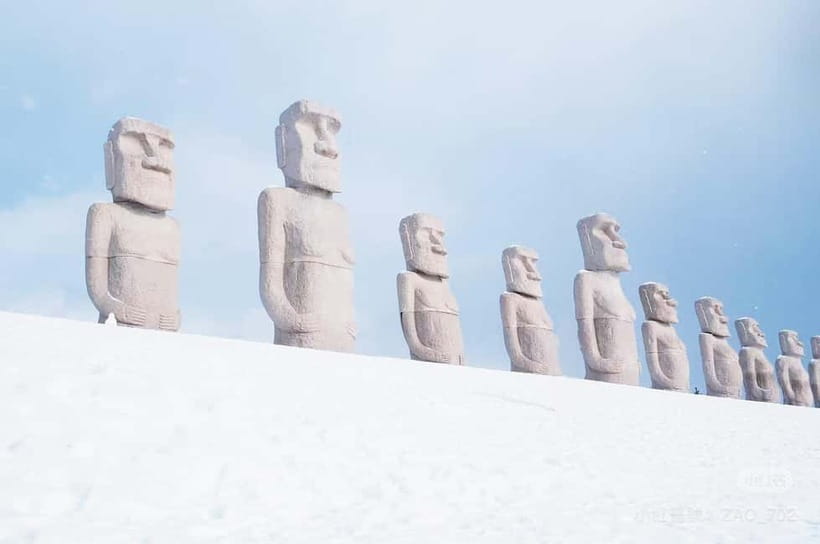
The guide and driver are described as friendly and helpful, and a small group of about 10 people can make the day feel more personal. You can expect help with directions, timing, and the practical side of moving between stops.
Do not book this expecting a constant stream of historical commentary. The tour works partly as escorted transport, with plenty of independent time at the attractions. That suits you if you like wandering at your own pace, taking photographs, and choosing your own lunch.
The available languages are Japanese, English, and Chinese. If detailed interpretation is important to you, confirm the language offered for your selected departure. A guide can be pleasant and useful without providing the same depth as a specialist historian or food guide.
What to bring and what costs extra
Pack light, but include the practical basics:
- Comfortable walking shoes
- A towel for Jozankei Onsen
- Cash for lunch, tastings, optional admissions, and possible small purchases
- Clothing suited to the weather
- No pets, and no smoking during the activity
The $64 price includes bus fare and Hill of the Buddha admission. You should add money for seafood lunch, beer tasting, and the paid area at Shiroi Koibito Park.
The optional costs are not a flaw by themselves. They let you skip extras you do not want. But if you plan to eat a large seafood lunch, taste beer, and enter the paid park area, your real daily cost will be higher than the headline price.
Who should book this tour?
Book it if you want a broad Sapporo sampler, value included transport, and enjoy switching between very different settings. It is particularly useful during a first visit, when you want to see the city’s cultural sites, food scene, design, and nearby hot spring area in one organized day.
It is also a good fit for independent-minded people who do not need a guide beside them at every exhibit. You can take the useful structure, then make your own choices at the market, museum, park, and onsen.
Skip it if you want long, detailed explanations, generous time at every attraction, or a serious market experience. The day covers a lot, and some stops may feel rushed while the fish market may feel overlong. People with mobility limitations or heart problems should choose another activity.
At $64, the tour offers solid value for transport and variety. The best reason to book is the unusual combination of the Hill of the Buddha, Jozankei Onsen, Hokkaido Shrine, and Sapporo’s food and brewing stops. Just confirm the seasonal route, budget for extras, and expect a practical sightseeing day rather than a deeply narrated cultural tour.
FAQ
What is included in the $64 tour price?
The price includes bus fare and admission to the Hill of the Buddha.
Is lunch included?
No. Lunch at the Sapporo Central Wholesale Market Curb Market is paid separately.
Does the tour include beer tasting?
No. Beer tasting at the Sapporo Beer Museum is optional and at your own expense.
Is entry to the paid area at Shiroi Koibito Park included?
No. Admission to the paid area at Shiroi Koibito Park is not included.
What should I bring?
Bring comfortable shoes, a towel, cash, and clothing suitable for the weather.
Is the tour suitable for people with mobility impairments or heart problems?
No. The activity is not suitable for people with mobility impairments or heart problems.
More Museum Visits in Japan
- 1-Day Sapporo Historical Village and Sapporo Beer Museum Tour
★ 5.0 · 3 reviews - Sapporo: Historical Village of Hokkaido and Beer Museum Tour
★ 4.5 · 2 reviews - NYC: Empire State Building Tickets – Observatory & Museum
★ 4.7 · 25,757 reviews - Munich: Beer and Food Tour with Dinner & Oktoberfest Museum
★ 4.7 · 1,086 reviews
Just added around Japan
- Private Sake Tasting at 300 Years Old Sake Brewery in Tokyo★ 5.0 · 3 reviews
- Takayama: Authentic Sake Tasting at a Historic Brewery★ 5.0 · 65 reviews
- Rural Brewery Town Walk: Half-Day Private Tour Near Kyoto★ 5.0 · 7 reviews
- 1-Day Sapporo Historical Village and Sapporo Beer Museum Tour★ 5.0 · 3 reviews
- Sapporo Tour in the Port City of Otaru and Local beer brewery★ 5.0 · 3 reviews
- Cultural Sake Brewery Private Tour & Unlimited Tasting Near Tokyo★ 5.0 · 4 reviews
- Unique Brewery Tour and One-of-a-Kind Sake Tasting Near Tokyo★ 5.0 · 17 reviews
- Sake “Omakase” in Osaka : Guided Tasting by a Active Sake brewer★ 5.0 · 11 reviews
Japan Beer Tours, compared.

Insider Sake Brewery Tour with Sake and Food Pairing
Read our review →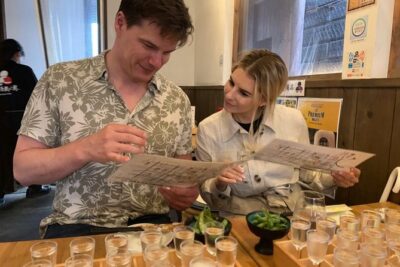
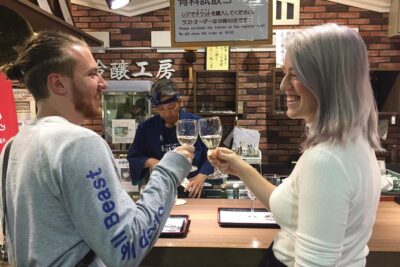
KOBE Sake Tasting Tour at Breweries (tasting fee included)
Read our review →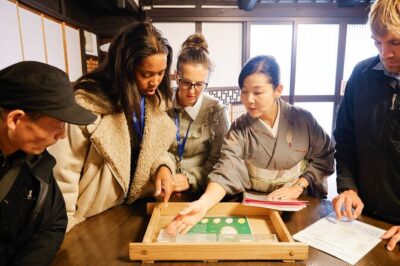
Hiroshima Saijo Sake Tasting Tour with visit to 7 Breweries
Read our review →
Takayama: Authentic Sake Tasting at a Historic Brewery
Read our review →
Private Sake Brewery Visit and Tasting Tour in Hida
Read our review →
Browse the lists this tour appears in