
REVIEW · JAPAN
Sapporo: Historical Village of Hokkaido and Beer Museum Tour
The best part of this day is the way it connects old Hokkaido buildings with the region’s wider story. You move from farmhouses, shops, and homes at the Historical Village to museum displays on Hokkaido’s people and wildlife, then finish with Sapporo beer and its long commercial history.
I like the 54-hectare open-air museum, where about 60 buildings let you see how rural and city life looked between 1868 and 1926. I also like the three-beer flight, especially Sapporo Classic, which is sold only in Hokkaido. The main drawback is that much of the written material is in Japanese, so you may rely on translation apps or your guide for full context.
Key points
- Walk through 60 Meiji and Taisho-era buildings at the Historical Village of Hokkaido.
- Visit two very different museums, one focused on Hokkaido’s past, culture, and wildlife, the other on Sapporo beer.
- Meet at Sapporo Station at 9 a.m., then use arranged transportation between the listed stops.
- Ask guide Scott questions along the way, especially if you want help with Japanese customs, daily life, or museum displays.
- Try three Sapporo beers, including Hokkaido-only Sapporo Classic and Sapporo Kaitakushi Pilsner.
- Plan for a full 510-minute day, comfortable shoes, and a separate budget for lunch.
Why this tour works as a Hokkaido history day
Sapporo is often treated as a modern northern city, but its story is younger and different from that of Japan’s ancient capitals. This tour gives you a practical way to see how Hokkaido developed during the Meiji and Taisho periods, how people lived in different settings, and how Sapporo became linked with one of Japan’s best-known beer brands.
The day has a useful rhythm. The Historical Village gives you space, buildings, and a sense of place. The Hokkaido Museum adds organized displays about the region’s people, animals, and past. The Sapporo Beer Museum then narrows the focus to one company and one product, while adding a tasting at the end.
At 510 minutes, this is not a quick city outing. You should expect most of the day to be taken up by the three main stops and transportation between them. That makes the tour a good choice if you want a ready-made day outside central Sapporo, but less suitable if you prefer a loose schedule with plenty of free time.
More Museum Visits in Japan:
- Hokkaido Sapporo :Hill of Buddha, Beer Museum & Fish Market
★ 4.6 · 9 reviews - 1-Day Sapporo Historical Village and Sapporo Beer Museum Tour
★ 5.0 · 3 reviews - NYC: Empire State Building Tickets – Observatory & Museum
★ 4.7 · 25,757 reviews
Meeting Scott at Sapporo Station
The meeting point is easy to find if you follow the directions carefully. After leaving the main JR gates, turn left and walk toward the South Exits, marked 南出口. The guide waits in front of MYOMU, the circular white stone structure, wearing a Snow Monkey Resorts tour tag.
You need to be there at 9 a.m. The early start matters because the tour covers three substantial attractions, and delays at the beginning could reduce your time later in the day. Look for the tour tag rather than assuming every guide near the station is part of this group.
The tour includes an English-speaking guide and transportation from Sapporo Station to the listed destinations. Scott is identified as the guide on recent bookings, and his role is especially useful when you want help with Japanese culture and everyday life. You should still expect some independent looking around, not a constant spoken lecture at every display.
The Historical Village of Hokkaido: buildings as evidence
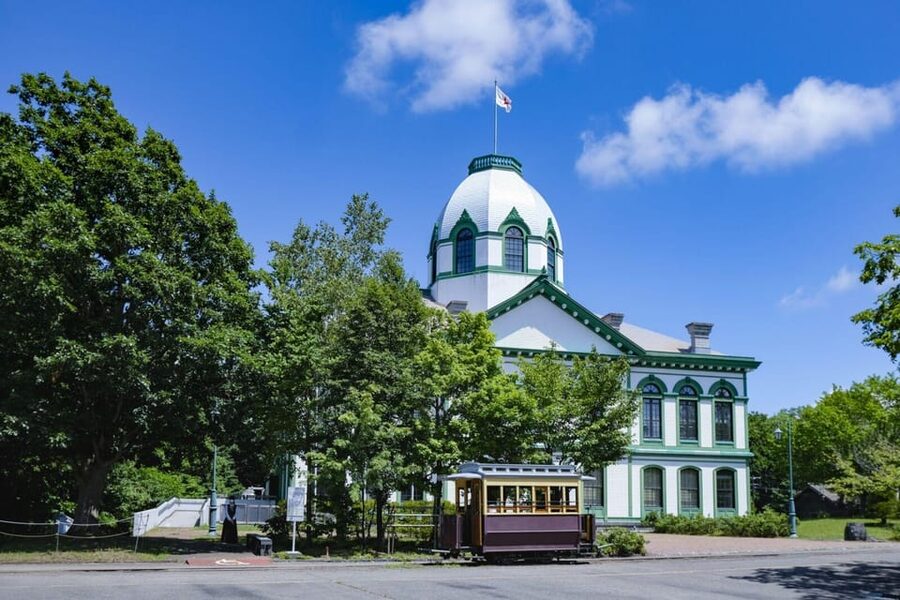
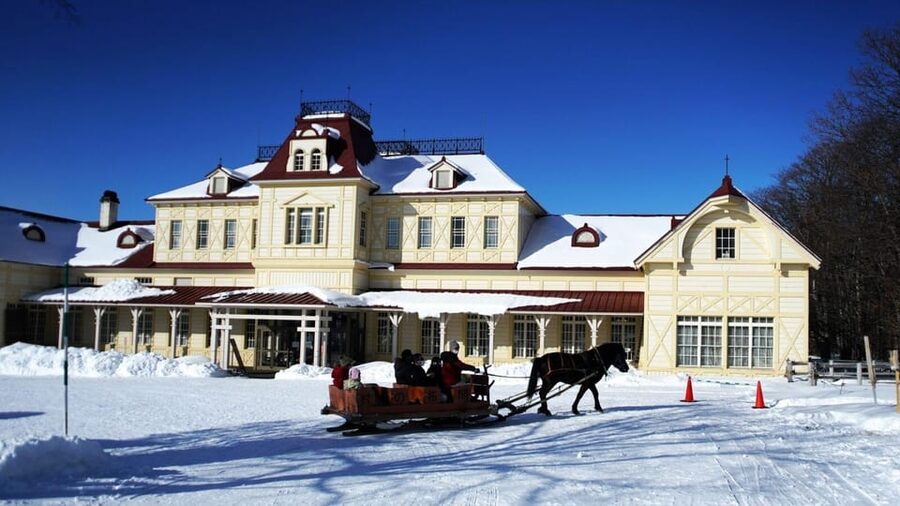
The first major stop is the Historical Village of Hokkaido in Nopporo Forest Park, on the outskirts of Sapporo. This is an open-air museum spread across 54 hectares, with about 60 structures dating from the Meiji and Taisho periods, from 1868 to 1926.
The size changes how you experience the history. Instead of moving from one glass case to another, you walk among homes, shops, and public buildings. Each structure offers a small look at a particular kind of life. You might see the difference between a village setting and a town setting, or notice how a barber shop, home, or other working building was arranged.
The architecture is the main attraction. You can study the shape of the buildings, their materials, and their placement rather than only reading about the past. For many people, this will be the most memorable stop because it gives you a physical sense of Hokkaido’s early modern period.
Your guide can explain the purpose of the buildings and add context that a plaque may not provide. Pay attention to how the collection presents more than one kind of Hokkaido life. This is not only a display of old houses. It also shows the growth of settlements and the practical spaces people used in daily work.
You should wear comfortable shoes. The area is large, and the visit involves walking outdoors between structures. The information available at each building may not always be in English, so ask Scott about anything that seems unclear instead of trying to translate every panel yourself.
The drawback is the same feature that makes the village appealing: its scale. You cannot treat it like a small downtown museum and expect to see everything quickly. If you want to inspect every structure, read every sign, and stop for photographs, the day could feel busy.
The Hokkaido Museum and the wider regional story
Near the Historical Village is the Hokkaido Museum. Its focus is broader, covering the early history, culture, and wildlife of Hokkaido. This stop helps place the open-air buildings in a larger setting.
The museum is valuable because buildings alone cannot explain the full story of the region. Here, you can learn about the people and natural world connected with Hokkaido, then think back to the homes, shops, and village spaces you just saw.
The guide can help you connect the displays to Japanese life and regional culture. Scott was described as easy to talk to and available for questions, which matters in a museum where a short explanation can make an unfamiliar display much easier to understand.
Still, you should know how the visit is structured. The museums are largely self-guided, with plaques and displays doing much of the explaining. Not all the written material is in English, so you may walk through some exhibits, use your phone to translate, or ask the guide for help.
That is not necessarily a flaw, but it affects your expectations. If you want a detailed, continuous guided talk in English, this may feel less complete than a private museum tour. If you enjoy looking at displays at your own speed and asking questions when needed, the arrangement gives you more freedom.
More History Tours in Japan:
- Takayama: Authentic Sake Tasting at a Historic Brewery
★ 5.0 · 65 reviews - Takayama: Authentic Sake Tasting at a Historic Brewery
★ 4.8 · 50 reviews - Kanazawa Historic Brewery: Fermentation Tour, Tasting, Lunch
★ 4.9 · 15 reviews - World Heritage Himeji Castle & Sake Breweries Private Tour
★ 4.5 · 11 reviews
Sapporo Beer Museum and the story behind the label
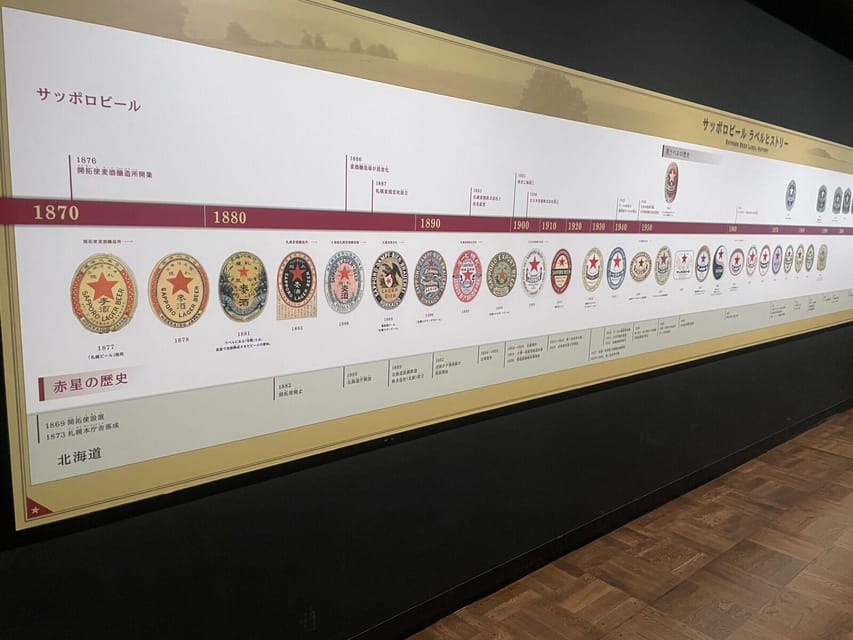
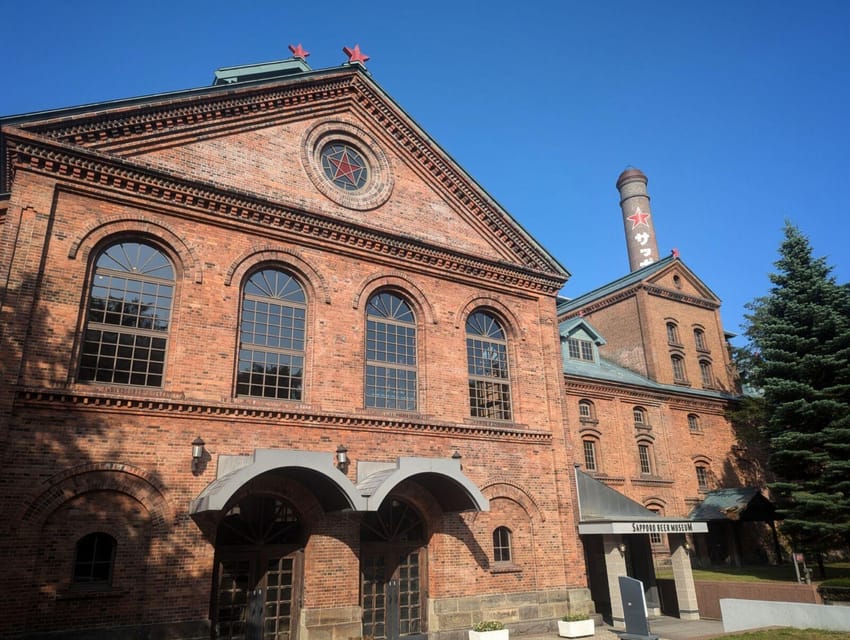
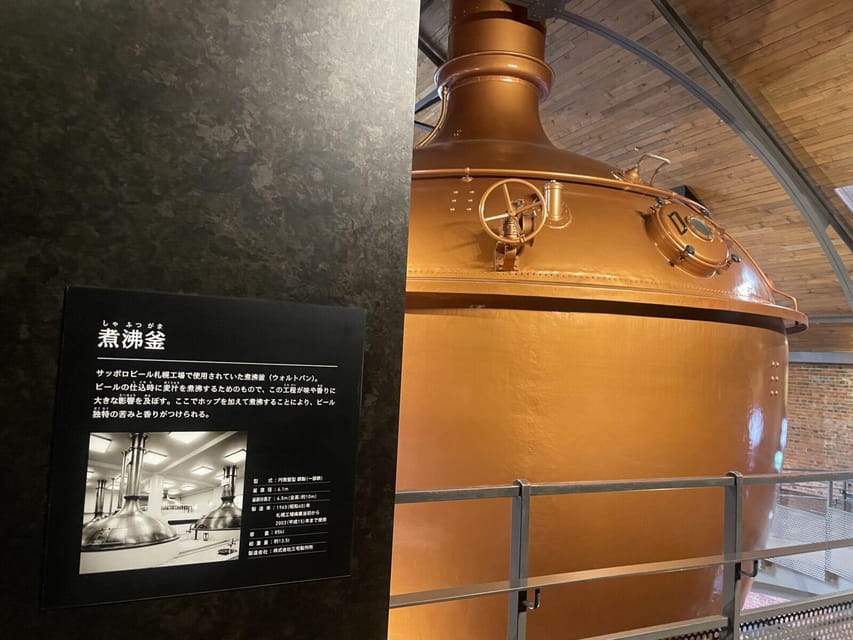
The final major stop shifts from regional settlement to industrial and commercial history. At the Sapporo Beer Museum, you follow the brewery’s timeline from its beginning to the present day.
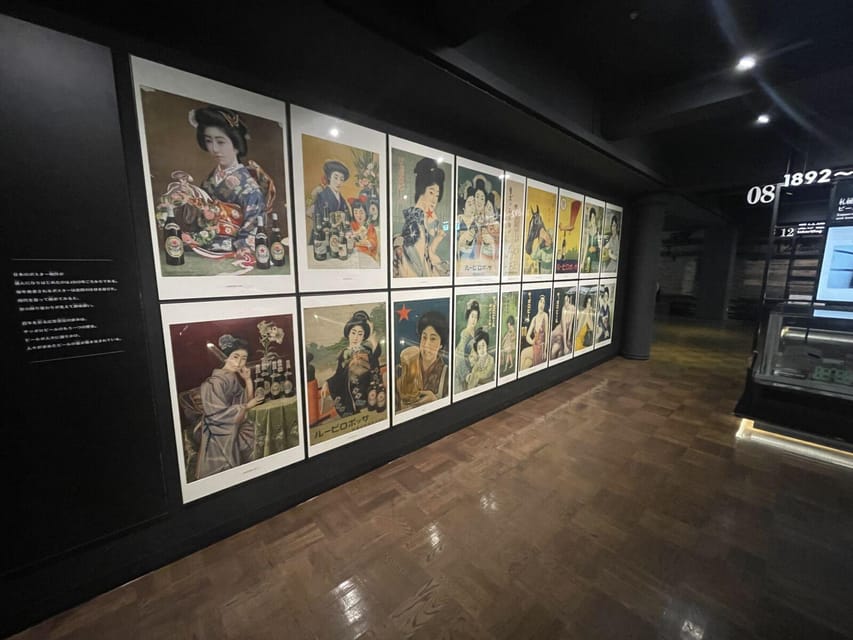
The museum covers different products from the company’s long history and shows how beer was presented to the public over time. Look for old bottle labels, advertising, and print material. These details reveal changes in design and marketing, not just changes in beer.
Most of the main signage is in Japanese. Small laminated cards beside the displays provide the same information in several languages, which makes the visit easier for international visitors. Even so, the cards may not cover every detail, so your guide and phone translation can still be useful.
I like this stop because it gives the day a clear ending. After seeing how people lived in early Hokkaido, you see how a major local brand developed and became part of Sapporo’s identity. The museum is not simply a tasting room. It gives you a timeline, products, labels, and advertising to look at before you drink anything.
The description refers to this destination as the Sapporo Beer Museum, while one booking account calls it the Sapporo factory. In practical terms, you should expect a museum visit focused on the brewery’s story and products, not assume that the day includes a working production-floor tour.
What happens at the Star Hall tasting corner
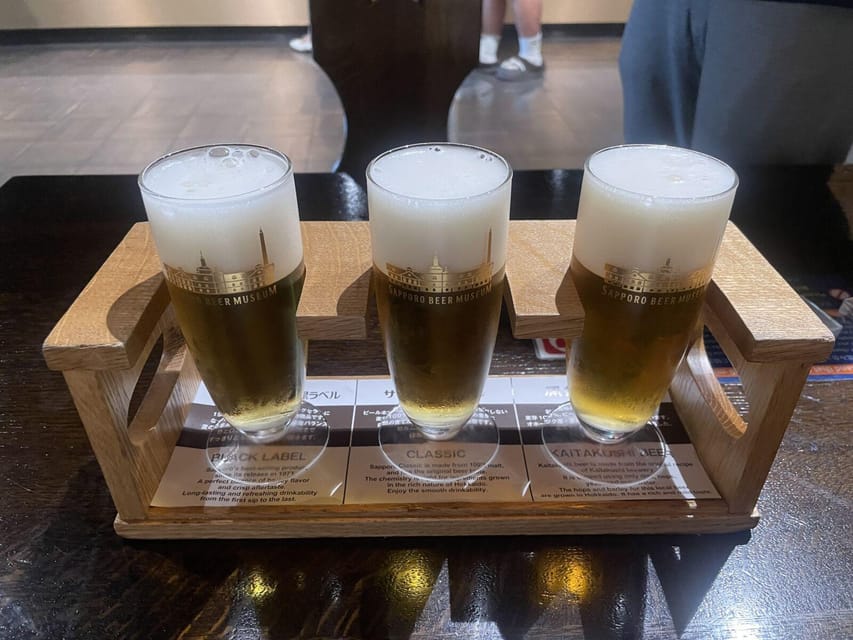
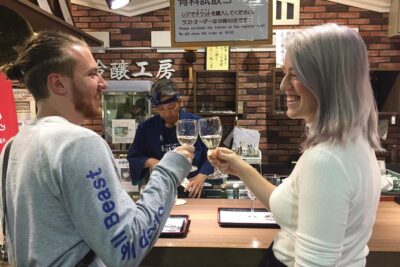
After the museum exhibits, you can head to the Star Hall Tasting Corner for a three-beer flight. The listed choices are:
- Sapporo Black Label
- Sapporo Classic, sold only in Hokkaido
- Sapporo Kaitakushi Pilsner
This is a good tasting lineup because it lets you compare a familiar national label with beers tied more closely to Hokkaido and Sapporo. Sapporo Classic is the especially useful taste of place. You cannot buy it everywhere in Japan, so this is a chance to try a beer associated specifically with the region.
There is an important price detail to check before booking. The tour information lists beer tasting among the included items, but it also states that the three-beer flight costs 800 yen at the tasting corner. Confirm the current arrangement with the operator so you know if the tasting is covered by your booking or paid separately on site.
If you do not drink alcohol, the supplied information does not describe a nonalcoholic alternative. You should ask the provider before reserving if that matters to you.
Price, timing, and what the $188 covers
The stated price is $188 per person. That is a serious cost for a day in Sapporo, so value depends on how much you want taken care of.
The price includes the English-speaking guide, transportation from Sapporo Station to the listed stops, and admission tickets for the attractions in the itinerary. Beer tasting is also listed as included, though the separate 800-yen tasting note creates some uncertainty that you should clarify.
You are paying for structure as much as for entry tickets. The tour removes the need to work out transport to the outskirts of Sapporo, plan the order of the stops, and figure out how the Historical Village and Hokkaido Museum fit together. That can be worthwhile if you have limited time or do not want to manage a full day in Japanese.
Lunch is not included. Bring money or a packed meal, and do not assume that the beer tasting takes the place of a proper midday break. Accommodation is also not included.
The full length is 510 minutes, so set aside most of the day. You will get the best value if you want all three attractions and appreciate having an English-speaking person available for questions. If you only want the beer museum, or prefer to visit one place slowly, the price may feel high.
Who will enjoy this day most
I would recommend this tour to someone who wants more than central Sapporo shopping and food. It suits you if you enjoy architecture, local history, museum displays, and the way a city’s identity develops over time.
It is also useful for first-time visitors who want help making sense of Hokkaido. Scott can answer questions about Japanese culture and daily life, while the three stops give you different types of evidence: buildings, museum collections, and commercial history.
The tour may be less suitable if you dislike walking, need a highly accessible route, or want every exhibit explained in fluent English. The activity is listed as not suitable for people with mobility impairments. Comfortable shoes are required, and you should be prepared for walking through a large outdoor museum.
The listing also says it is not suitable for non-swimmers, although no swimming activity is described. Because that restriction does not clearly match the itinerary, ask the provider for clarification if it affects you.
Smoking is not allowed during the activity.
Booking advice and final verdict
You should book this tour if you want a full, organized day that links Hokkaido’s early settlements, regional culture, and Sapporo beer. The Historical Village is the strongest reason to go, while the Hokkaido Museum adds useful context and the beer tasting gives the afternoon a relaxed finish.
I would be more cautious if your priority is fully English-language interpretation at every display. Much of the experience is self-guided, and some signs require translation help. Also confirm the 800-yen tasting charge before paying the $188 price.
For the right person, this is a thoughtful way to get beyond the usual Sapporo checklist. Bring comfortable shoes, arrive at MYOMU before 9 a.m., keep lunch plans flexible, and ask Scott questions as you go. If you want to understand how Hokkaido grew rather than simply look at its modern center, this day earns serious consideration.
FAQ
Where does the tour meet?
Meet your guide at Sapporo Station in front of MYOMU, the circular white stone structure. After leaving the main JR gates, turn left and walk toward the South Exits, marked 南出口.
What time should I arrive?
You should be at the meeting point at 9 a.m.
How long does the tour last?
The tour lasts 510 minutes.
What language is the tour conducted in?
The live tour guide speaks English.
Which attractions are included?
The tour visits the Historical Village of Hokkaido, the Hokkaido Museum, and the Sapporo Beer Museum.
What is included in the price?
The listed inclusions are an English-speaking guide, transportation from Sapporo Station to the listed destinations, admission tickets, and beer tasting.
Is lunch included?
No. Lunch is not included.
Which beers are included in the tasting?
The three-beer flight is listed as Sapporo Black Label, Sapporo Classic, and Sapporo Kaitakushi Pilsner.
Can I cancel for a full refund?
You can cancel up to 24 hours in advance for a full refund.
Just added around Japan
- Private Sake Tasting at 300 Years Old Sake Brewery in Tokyo★ 5.0 · 3 reviews
- Takayama: Authentic Sake Tasting at a Historic Brewery★ 5.0 · 65 reviews
- Rural Brewery Town Walk: Half-Day Private Tour Near Kyoto★ 5.0 · 7 reviews
- 1-Day Sapporo Historical Village and Sapporo Beer Museum Tour★ 5.0 · 3 reviews
- Sapporo Tour in the Port City of Otaru and Local beer brewery★ 5.0 · 3 reviews
- Cultural Sake Brewery Private Tour & Unlimited Tasting Near Tokyo★ 5.0 · 4 reviews
- Unique Brewery Tour and One-of-a-Kind Sake Tasting Near Tokyo★ 5.0 · 17 reviews
- Sake “Omakase” in Osaka : Guided Tasting by a Active Sake brewer★ 5.0 · 11 reviews
Japan Beer Tours, compared.

Insider Sake Brewery Tour with Sake and Food Pairing
Read our review →
KOBE Sake Tasting Tour at Breweries (tasting fee included)
Read our review →
Hiroshima Saijo Sake Tasting Tour with visit to 7 Breweries
Read our review →
Takayama: Authentic Sake Tasting at a Historic Brewery
Read our review →
Private Sake Brewery Visit and Tasting Tour in Hida
Read our review →
Browse the lists this tour appears in